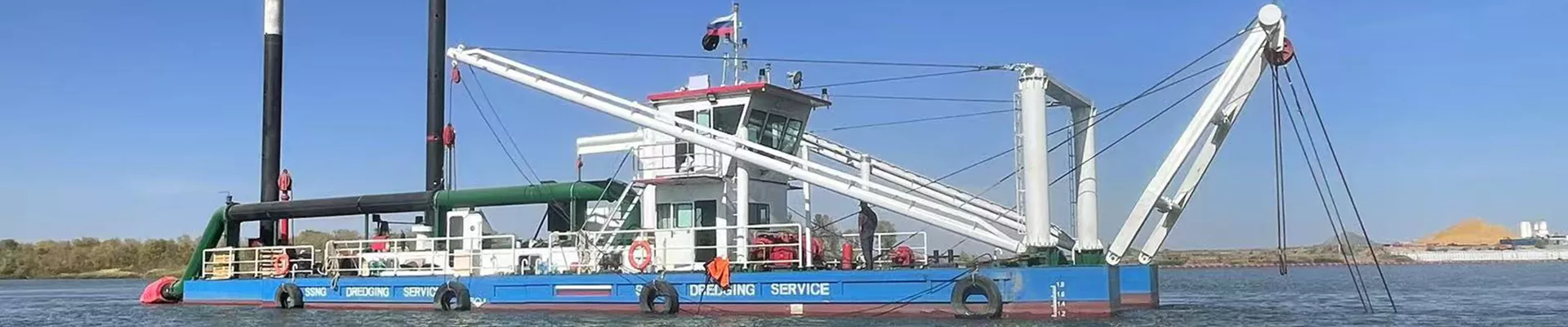
China Customized Bucket Dredger Manufacturer
What is a Bucket Dredger?
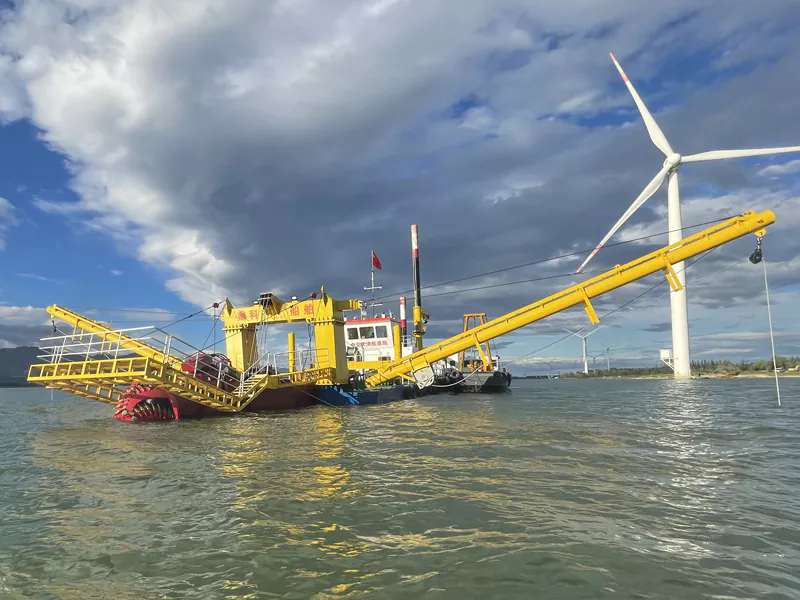
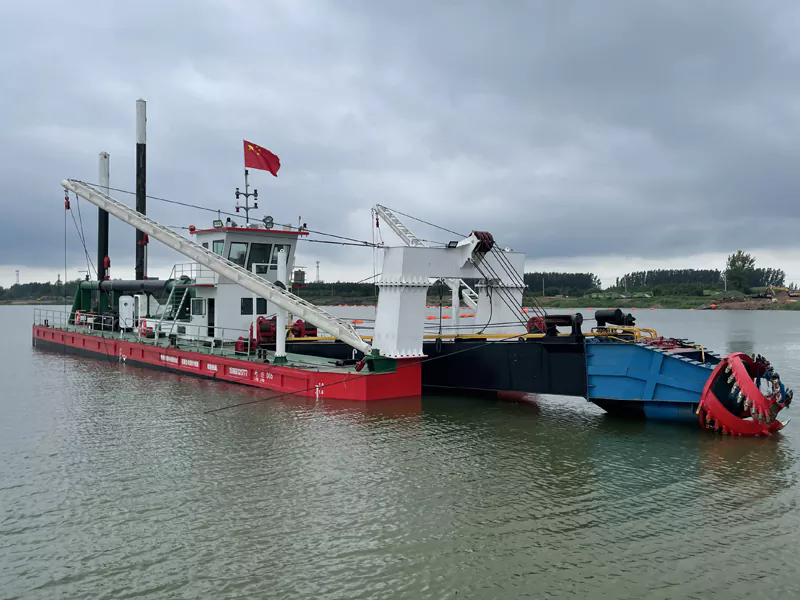
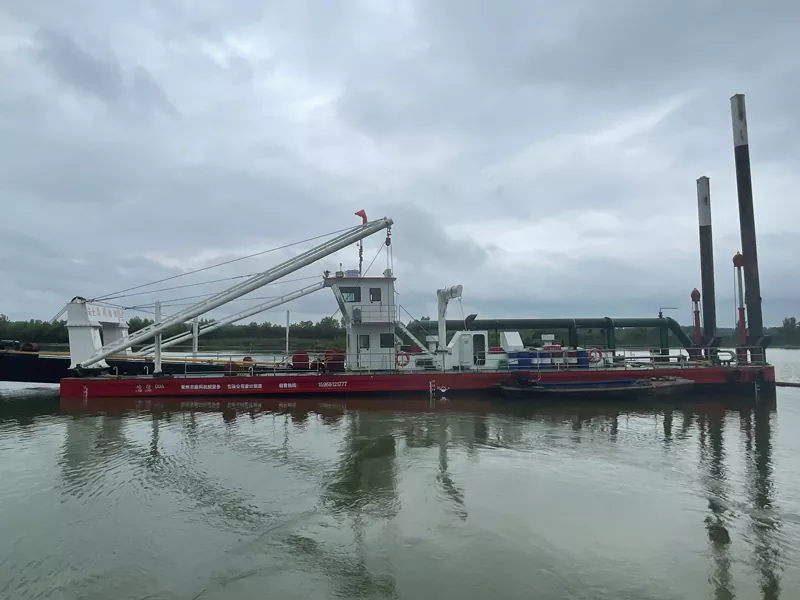
A Bucket Dredger, also known as a bucket ladder dredger or chain bucket dredger, is a highly efficient, stationary dredging vessel designed for extracting sand, gravel, clay, and other materials from underwater deposits. Its defining feature is a continuous loop of buckets attached to a rotating "ladder" or endless chain. As the ladder rotates, the buckets dig into the seabed or riverbed, lift the material to the surface, and deposit it onto a conveyor system for transport. Dingke Dredger specializes in engineering robust and high-performance bucket dredgers tailored for challenging projects worldwide, from mineral mining and land reclamation to environmental cleanup.
Key Components & Working Principle
The operational excellence of a Dingke bucket dredger stems from its integrated components:
- Ladder and Bucket Chain: The core digging apparatus. A heavy-duty steel ladder, adjustable in angle, holds an endless chain with numerous digging buckets.
- Excavation Buckets: Specially designed steel buckets with cutting lips that fill efficiently with material as the chain moves.
- Upper and Lower Guide Wheels (Sprockets): Drive and guide the bucket chain, ensuring smooth operation and proper discharge.
- Discharge Chute and Conveyor System: Receives material from the buckets and transfers it to barges or shore-based transport via belt conveyors.
- Spuds and Anchoring System: Heavy steel piles lowered to the seabed to hold the vessel stationary during operation, allowing for precise forward movement.
- Power Plant and Winches: Provide hydraulic or electric power for all mechanical functions, including ladder hoisting and spud operation.
The dredger swings side-to-side around a central spud, with the bucket ladder digging a precise arc. This method allows for controlled, thorough excavation of defined areas.
Advantages of Choosing a Dingke Bucket Dredger
- High Efficiency in Compact Materials: Excels in cohesive soils like clay, hardpan, and densely packed gravel where suction dredgers may struggle.
- Precise Grading & Profiling: The mechanical digging action allows for accurate bottom leveling and trenching, creating clean profiles.
- Minimal Water Pollution: The closed bucket system lifts material with little turbidity, making it ideal for environmentally sensitive areas.
- Robustness & Reliability: Dingke's heavy-duty construction ensures continuous operation in tough conditions with minimal downtime.
- Lower Operational Dilution: Delivers a higher ratio of solid material to water compared to many hydraulic dredgers, improving downstream processing efficiency.
- Versatility: Can be equipped with different bucket types (rock, sand, clay) to handle a wide range of materials.
Applications of Bucket Dredgers
Dingke bucket dredgers are deployed across various industries:
- Sand and Gravel Mining: Extracting aggregates for construction with high purity and volume.
- Land Reclamation: Providing stable fill material for creating new land from sea or waterways.
- Harbor and Channel Maintenance: Removing compacted sediments and debris to maintain navigational depths.
- Lake and Pond Restoration: Precisely removing contaminated sediments or excess organic matter.
- Mineral Mining: Recovering valuable minerals like tin, gold, or diamonds from alluvial deposits.
- Industrial Projects: Excavating trenches for pipelines or cables in underwater environments.
- View as
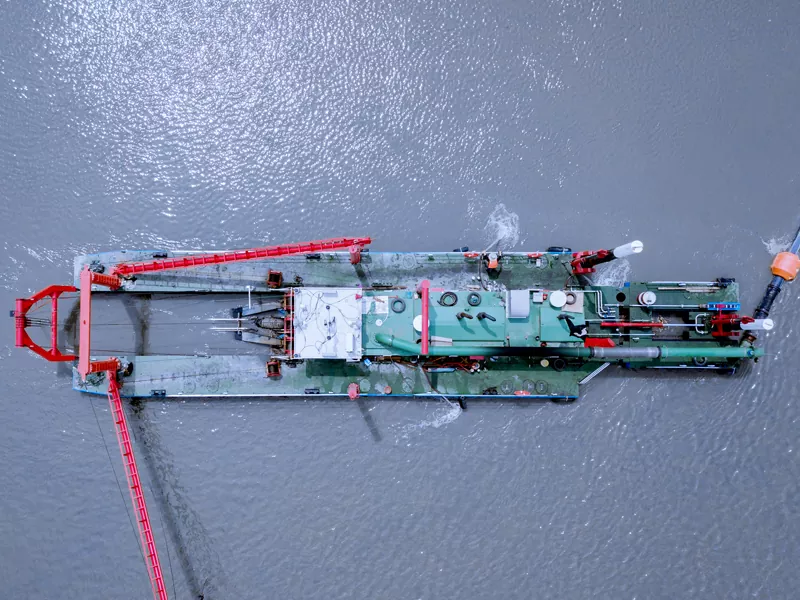
Bucket Ladder Dredger
Achieve surgical precision in deep-water projects with Dingke dredger’s Bucket Ladder Dredger. As an industrial engineering leader, we provide reinforced ladder dredgers optimized for vertical excavation at extreme depths. Direct-to-factory wholesale for customized ladder lengths and patented torsion-resistant hulls. Request a technical evaluation today for your next harbor deepening mission!
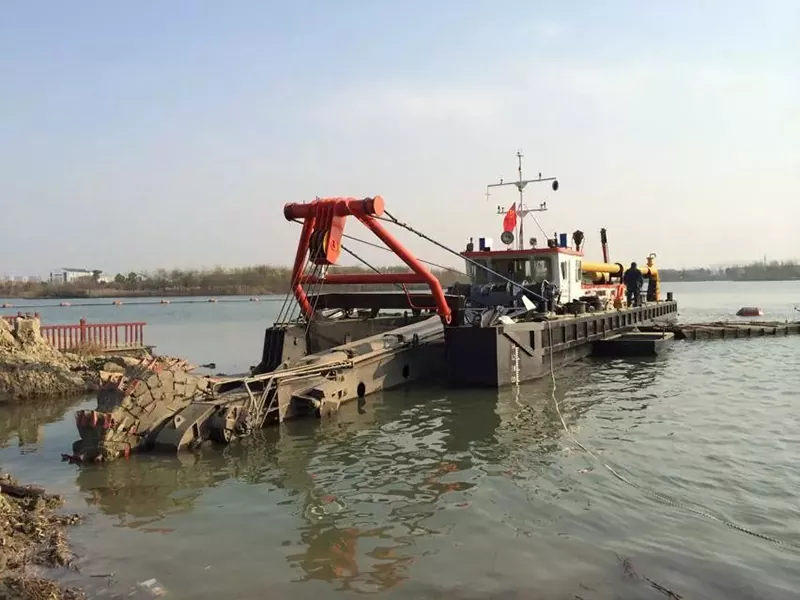
Bucket Line Dredger
Buy heavy-duty Bucket Line Dredgers directly from the manufacturer. Dingke dredger’s factory-direct vessels feature reinforced bucket lines for large-scale river and harbor deepening. Request a technical quote for customized continuous dredgers with patented wear-resistant technology and ISO/BV certification. Wholesale pricing available for global export!
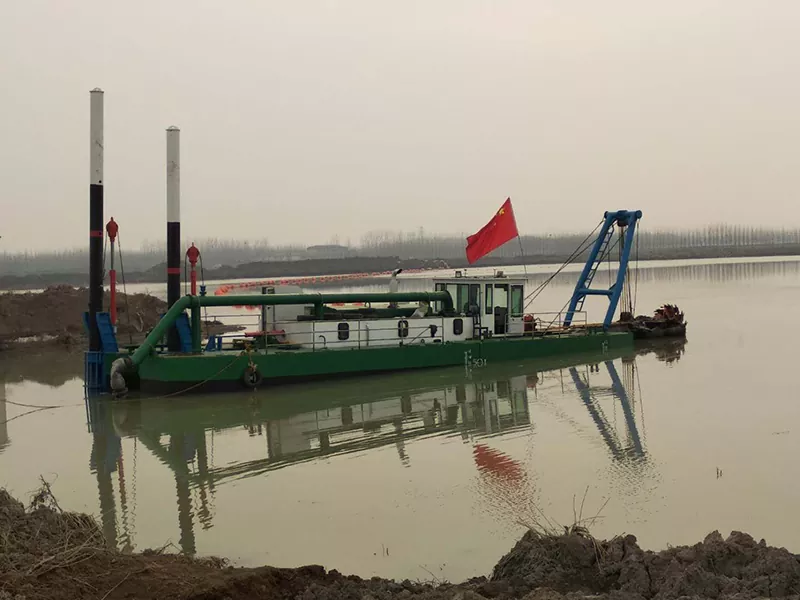
Bucket Digging Dredger
Master deep-water projects with Dingke dredger’s Bucket Digging Dredger. As a professional industrial supplier, we offer heavy-duty grab dredgers specifically designed for stiff clay and obstacle removal. Buy directly from our factory for customized digging depths and wholesale quotes. Inquire today for high-torque clamshell dredging vessels with global on-site support!
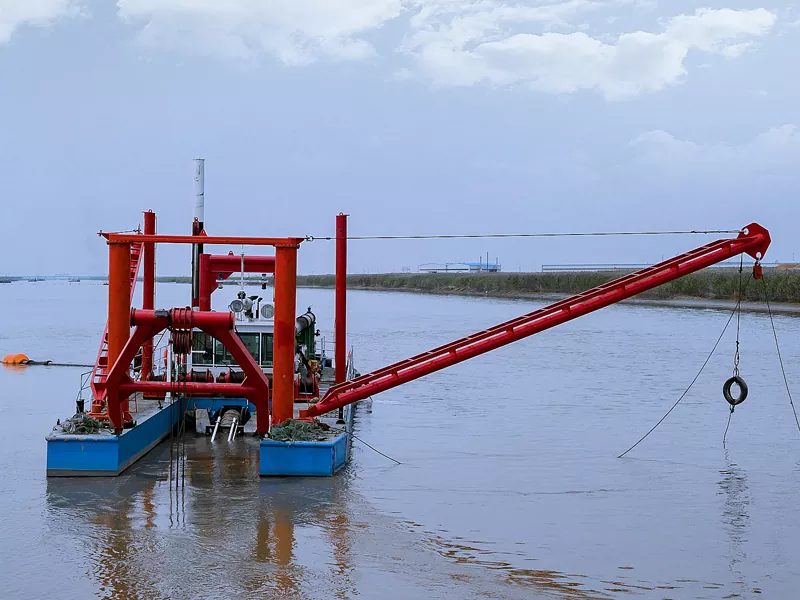
Bucket Chain Dredger
Buy heavy-duty bucket chain dredgers with integrated digging, washing, and screening systems. As a leading China factory, Qingzhou City Dingke Dredger Equipment Co., Ltd. offers customized mining dredgers for gold, iron, and sand at wholesale prices. Request a technical quote for high-efficiency continuous dredging vessels with ISO/BV certification.
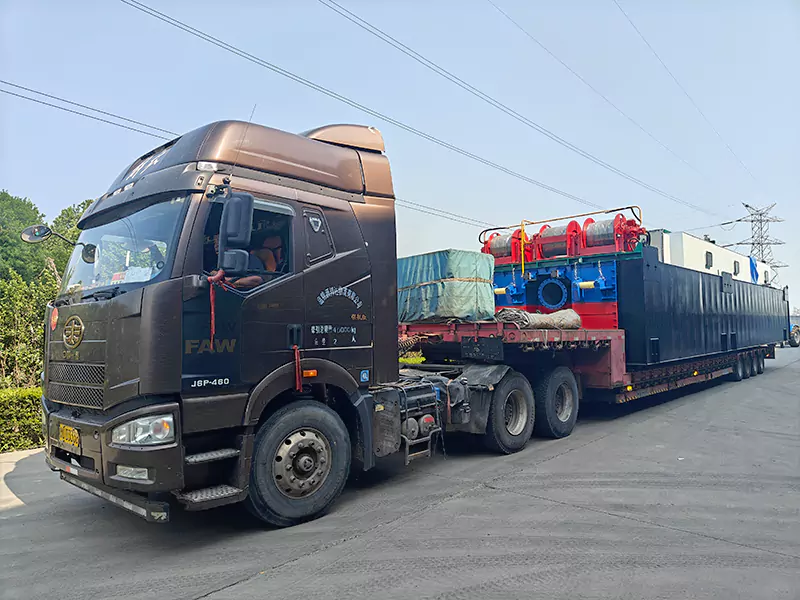
Dingke Dredger's hot sale Bucket Dredger is now available for global shipping. Verified by ISO9001, BV, and SGS, our equipment is the first choice for river desilting and sand mining. Don't miss out—inquire now to check stock availability and get a fast quotation for your order!