Product Category

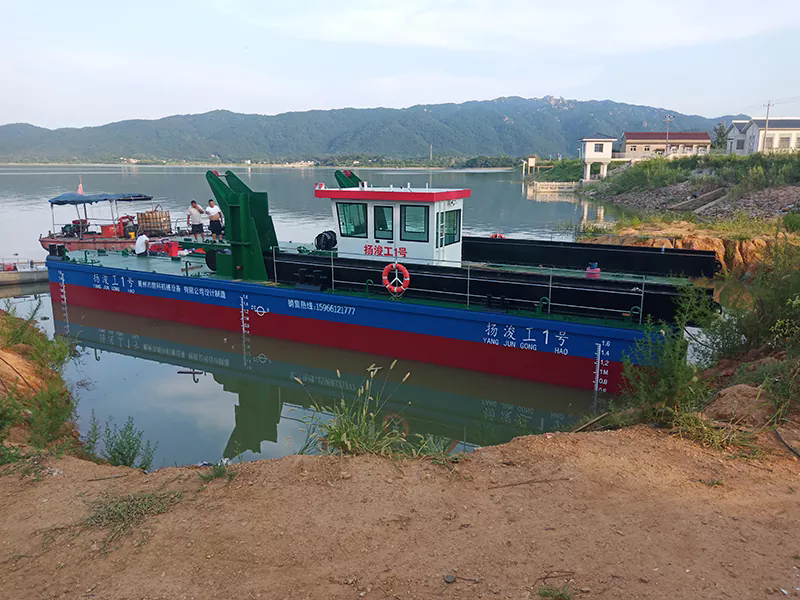
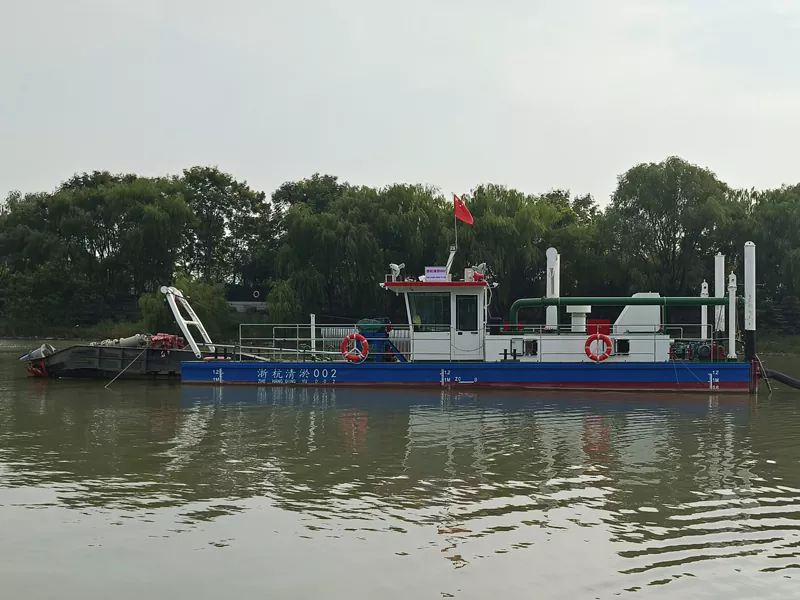
From heavy-duty hard soil excavation to high-density sand recovery, find the perfect vessel for your mission.
  • Dredger Ship
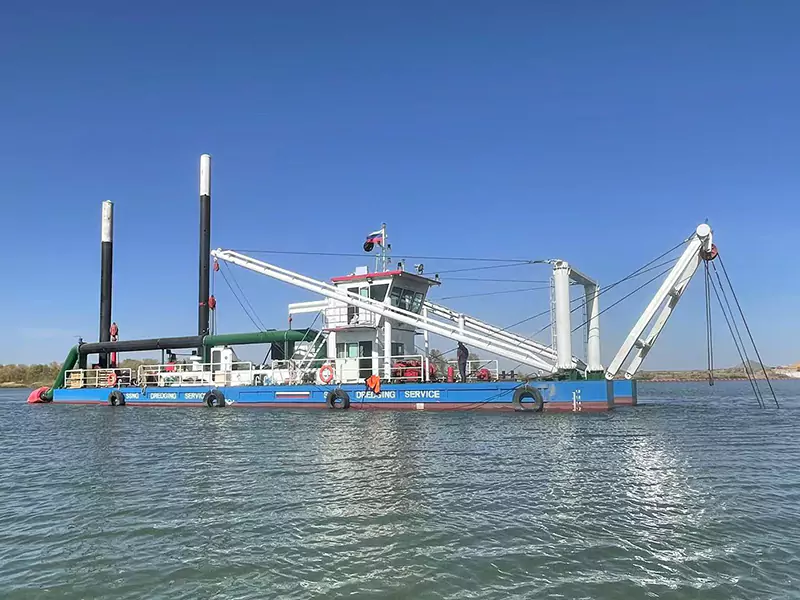
    Dredger Ship

    What is a Dredger Ship and Why is it Essential?

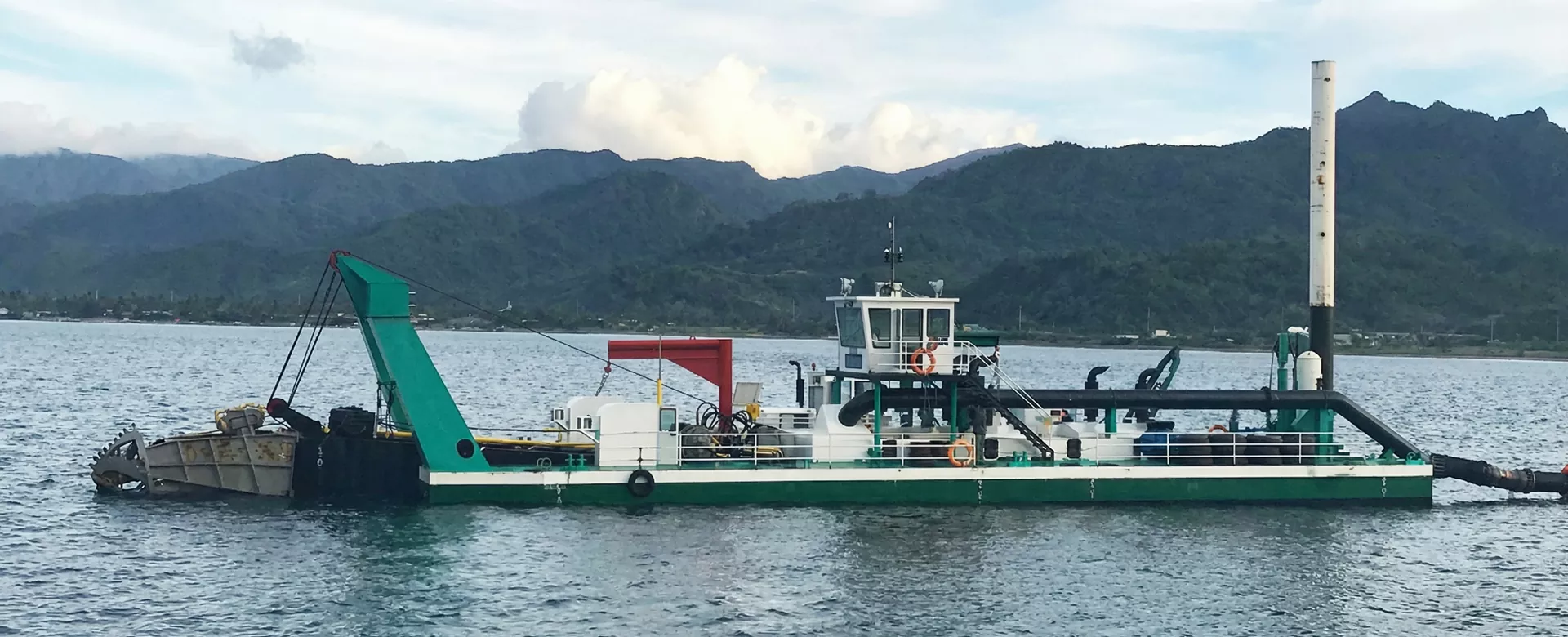
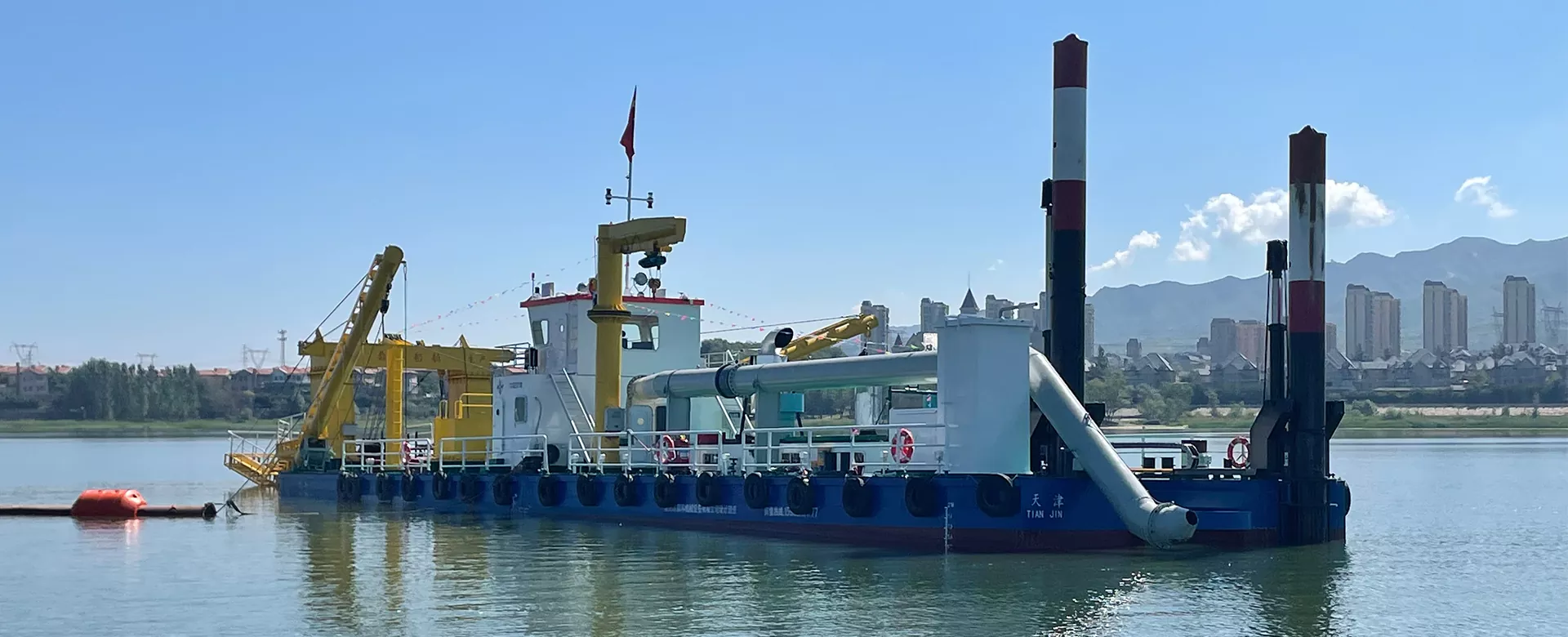
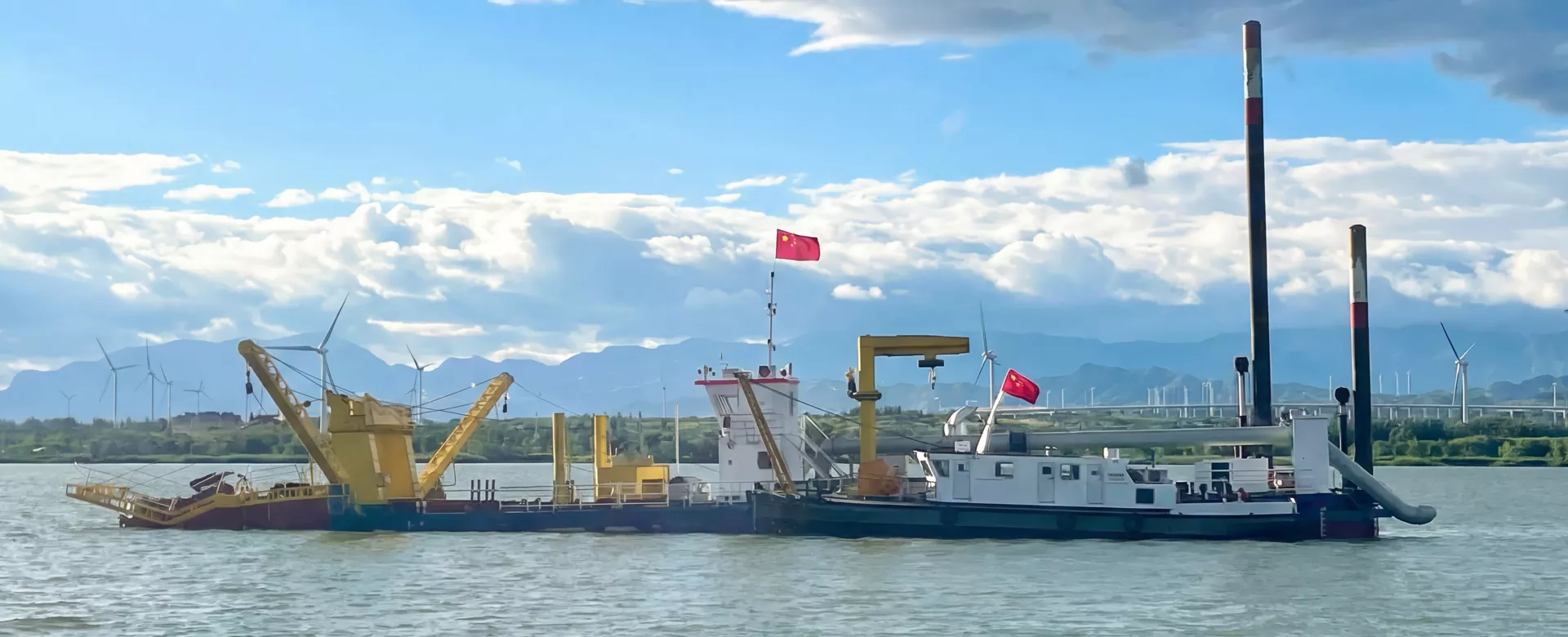
    In the realms of maritime construction, environmental management, and resource extraction, few vessels are as fundamentally important as the Dredger Ship. At its core, a dredger is a specialized ship or boat equipped to remove sediment, silt, rock, and debris from the bottom of water bodies like seas, rivers, lakes, and harbors. This process, known as dredging, serves multiple critical purposes: maintaining navigable waterways for global shipping, reclaiming land from the sea, constructing ports and coastal defenses, and even mining valuable materials from the seabed. For over two decades, Dingke Dredger has been at the forefront of designing and manufacturing these engineering marvels, tailoring them to meet the complex demands of projects worldwide. Our expertise ensures that each vessel is not just a piece of equipment, but a turnkey solution for productivity and efficiency.

    Core Components and Working Principles of a Modern Dredger

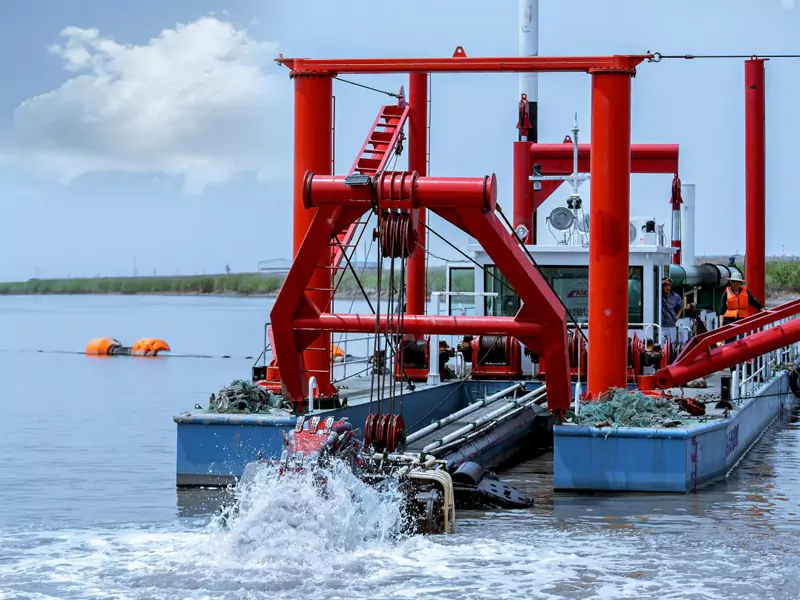
    A Dingke Dredger Ship is a symphony of heavy-duty components working in unison. The primary system is the dredging pump, a high-power, wear-resistant centrifugal pump that creates a vacuum to suck up the slurry—a mixture of water and solid material. This slurry is transported through a robust pipeline system, often supported by floating pontoons. For excavation, different dredgers employ various tools:

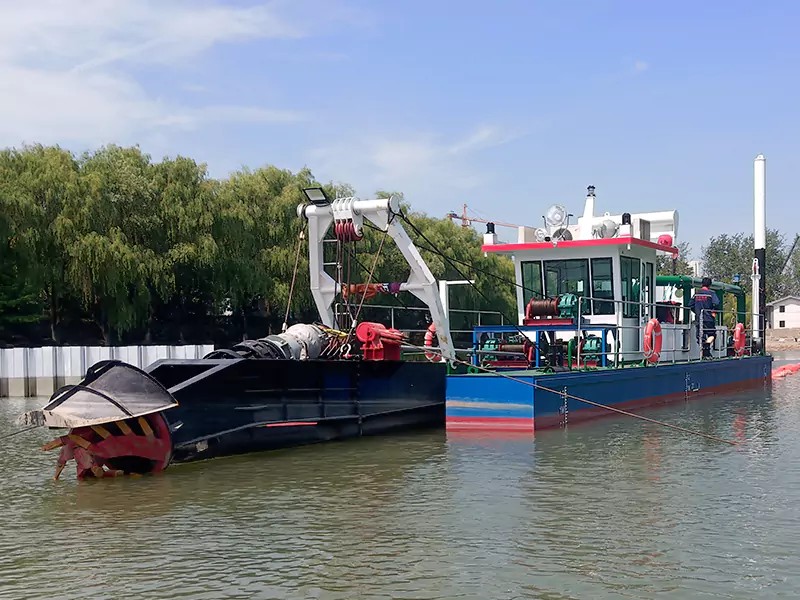
    • Cutter Heads: Rotating, tooth-equipped heads that cut into hard materials like clay, compacted sand, or soft rock.
    • Drag Heads: Used in trailing suction hopper dredgers, these are dragged along the seabed to scoop up material.
    • Backhoes & Clamshells: Mechanical arms with buckets, ideal for precision work and rocky environments.

    The excavated material is either discharged at a designated location via the pipeline or stored in the ship's own hull (hopper) for transport and later placement. Advanced control systems in the dredge cabin allow operators to precisely manage depth, position, and production rates.

    Dingke Dredger offers a diverse fleet, from compact cutter suction dredgers to massive trailing hopper dredgers. Below is a detailed breakdown of key parameters for our standard model ranges, illustrating the engineering precision behind every vessel.

    FAQ

    Q: How does Dingke Dredger ensure the durability and wear resistance of its equipment in abrasive conditions?
    A: Abrasion is the primary challenge in dredging. We combat it through material science and intelligent design. Our dredge pumps are lined with extra-high-chrome (Cr27) alloy, offering 5-8 times the lifespan of standard materials. Cutter heads are fitted with replaceable teeth made from specially forged alloys. Critical pipeline elbows feature wear-resistant ceramic linings. Furthermore, our operational software includes wear monitoring algorithms, advising on optimal pump speeds and mixture densities to minimize component stress and maximize service intervals.

    Q: What environmental considerations are integrated into Dingke Dredger ships?
    A> Modern dredging must be environmentally responsible. Dingke vessels incorporate several key features. Eco-friendly Cutter Heads are designed to minimize sediment plume creation, protecting water quality. Precision GPS and DGPS Systems allow for accurate excavation, preventing over-dredging and disturbance of surrounding areas. For projects involving contaminated sediments, we can integrate closed-loop systems and water treatment modules. Our engines comply with the latest IMO Tier II and Tier III emission standards, reducing air pollution.

    Q: Can a dredger ship operate in shallow or confined waters?
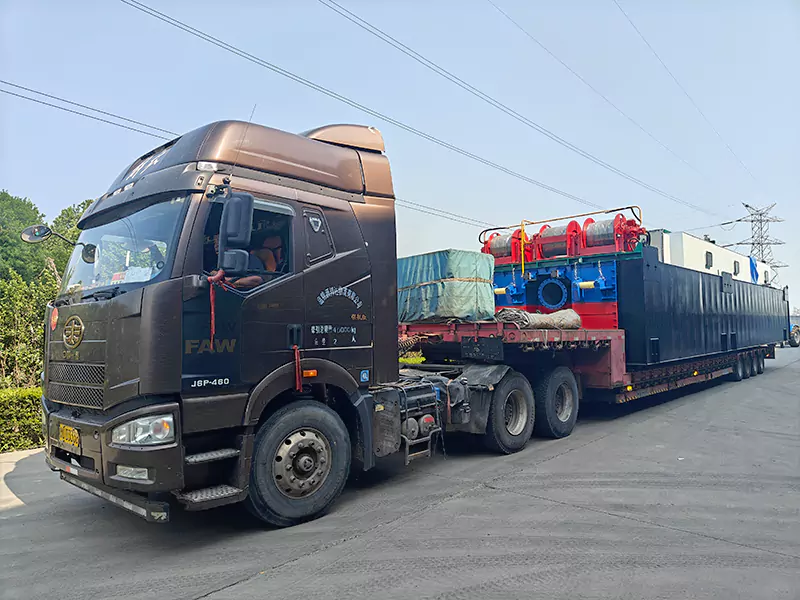
    A> Absolutely. This is a common requirement for river restoration or inland lake projects. Dingke designs specialized amphibious dredgers and spud-leg CSDs with a minimal draft. These vessels can operate effectively in waters as shallow as 1-2 meters. For confined spaces, we offer compact, modular dredgers that can be disassembled for transport overland and reassembled on-site. Their maneuverability is enhanced with azimuth thrusters or winch systems.

    Q: What kind of after-sales support and training does Dingke Dredger provide?
    A> Our relationship with clients extends far beyond delivery. We provide a comprehensive Total Support Package. This includes on-site commissioning by our engineers, detailed operational and maintenance training for your crew, and a readily available stock of wear parts. Our 24/7 remote diagnostic support can connect to the vessel's control system to help troubleshoot issues. We also offer long-term service agreements for planned maintenance, ensuring your Dingke dredger ship maintains peak performance and uptime throughout its lifecycle.

  • Cutter Suction Dredger
    Cutter Suction Dredger

    What is a Cutter Suction Dredger?

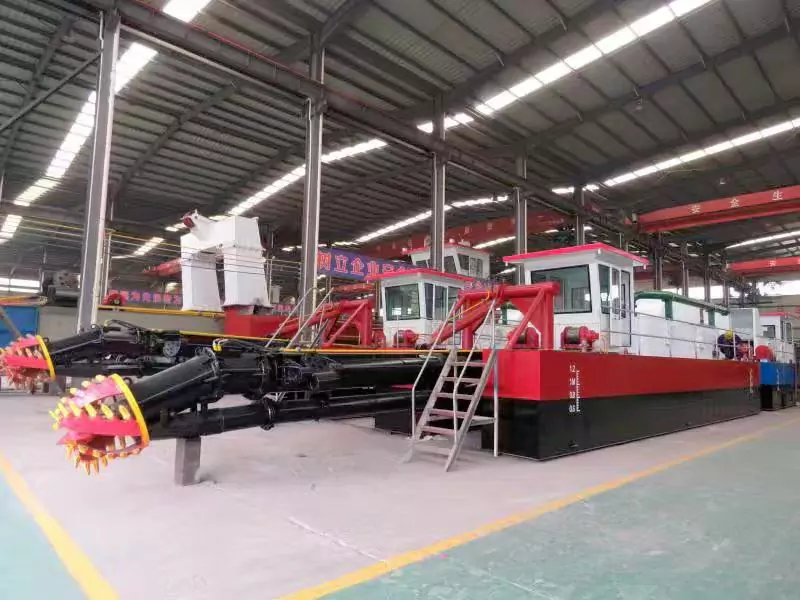
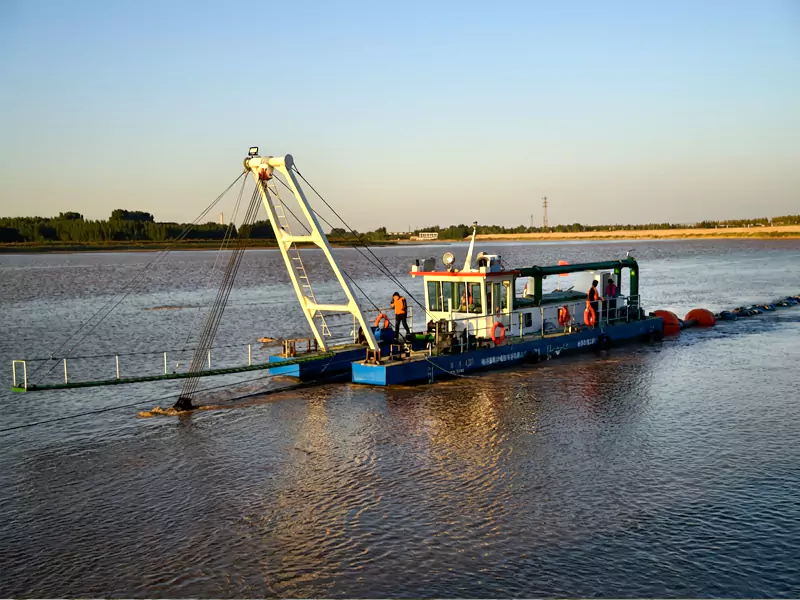
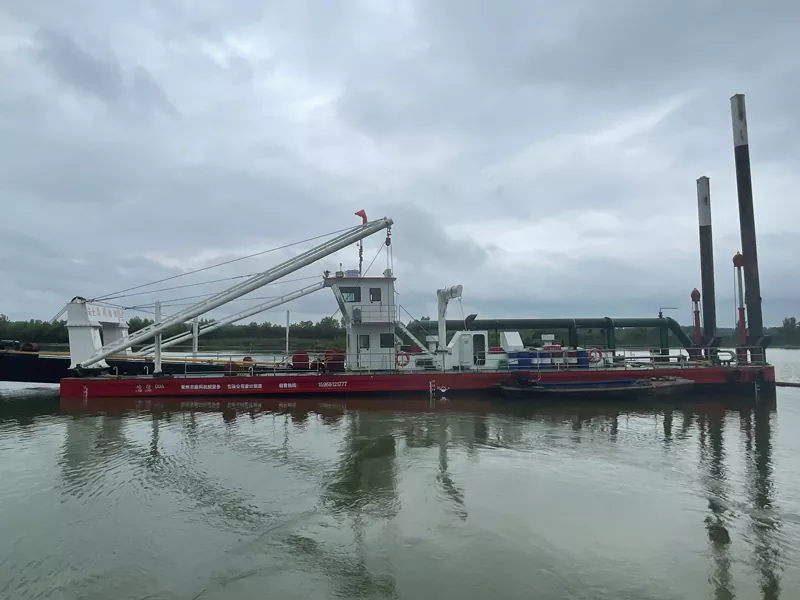
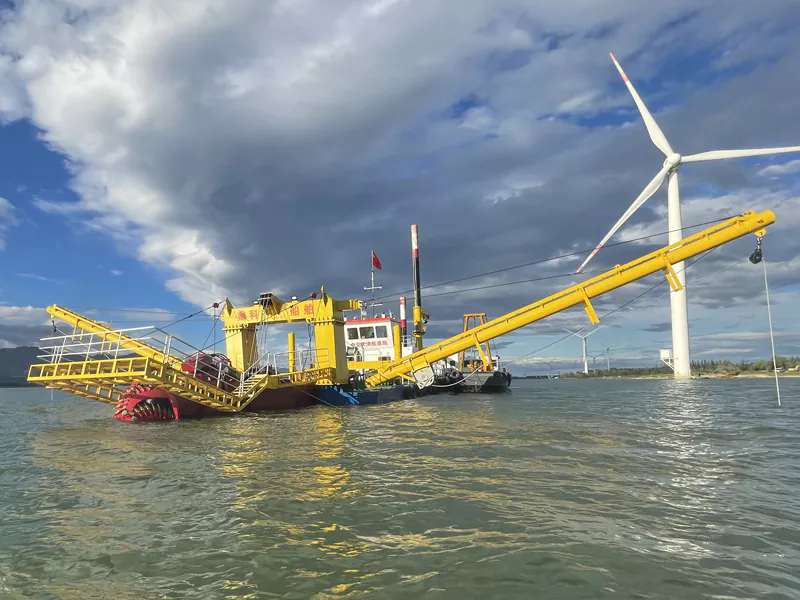
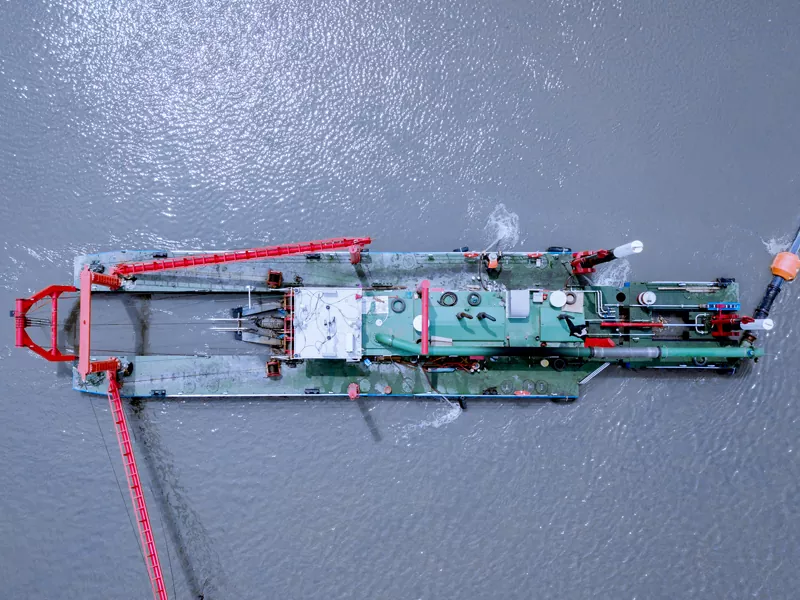
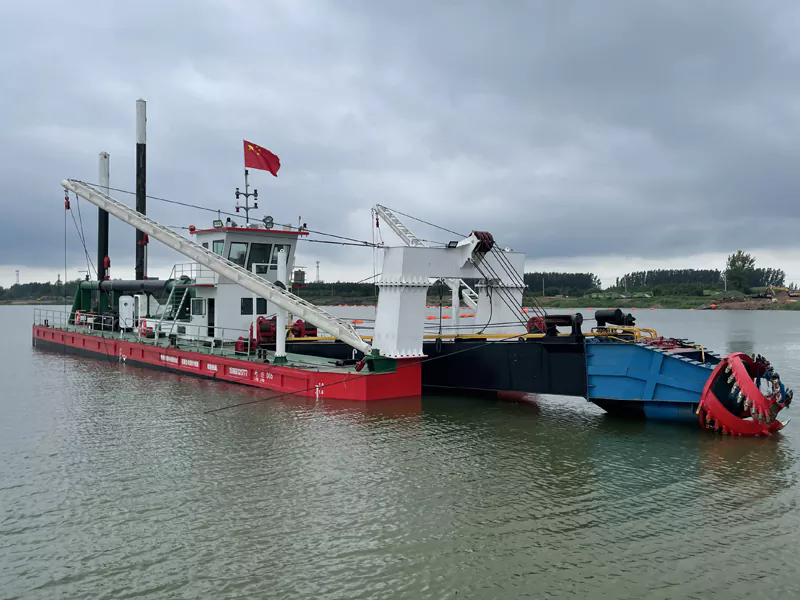
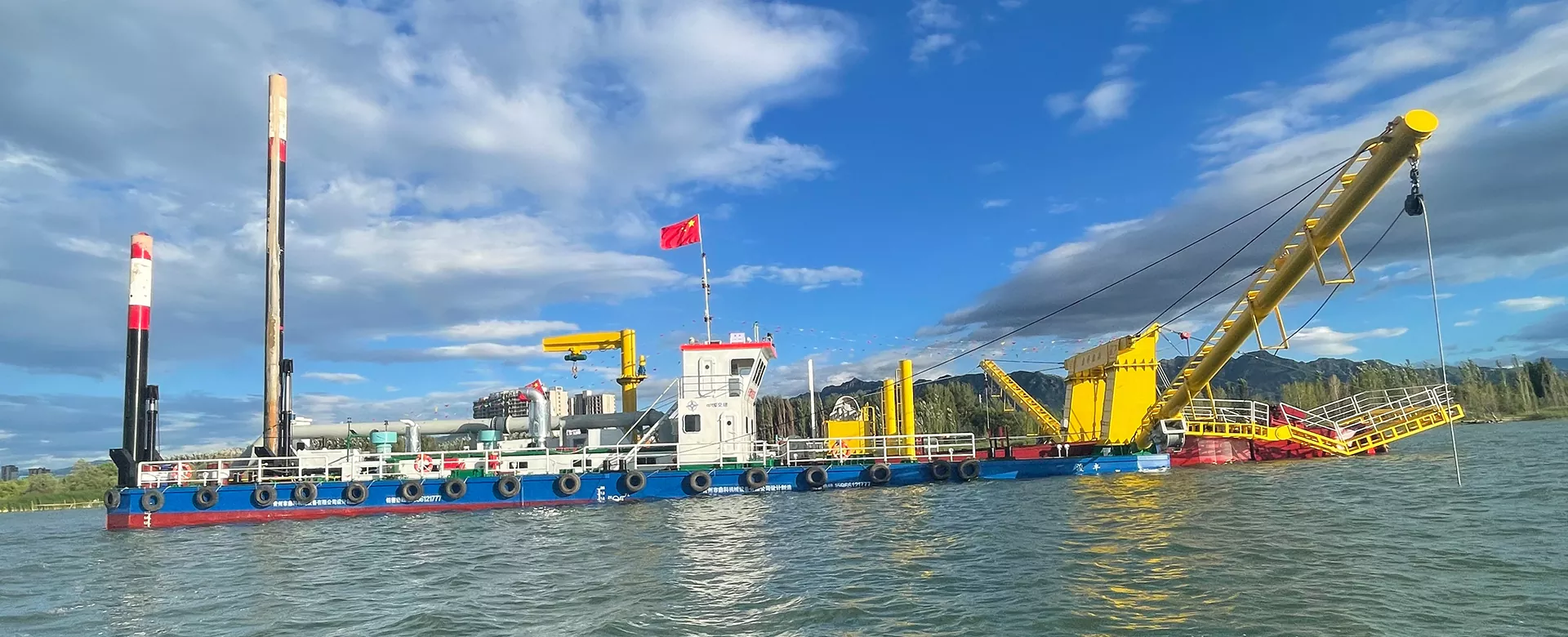
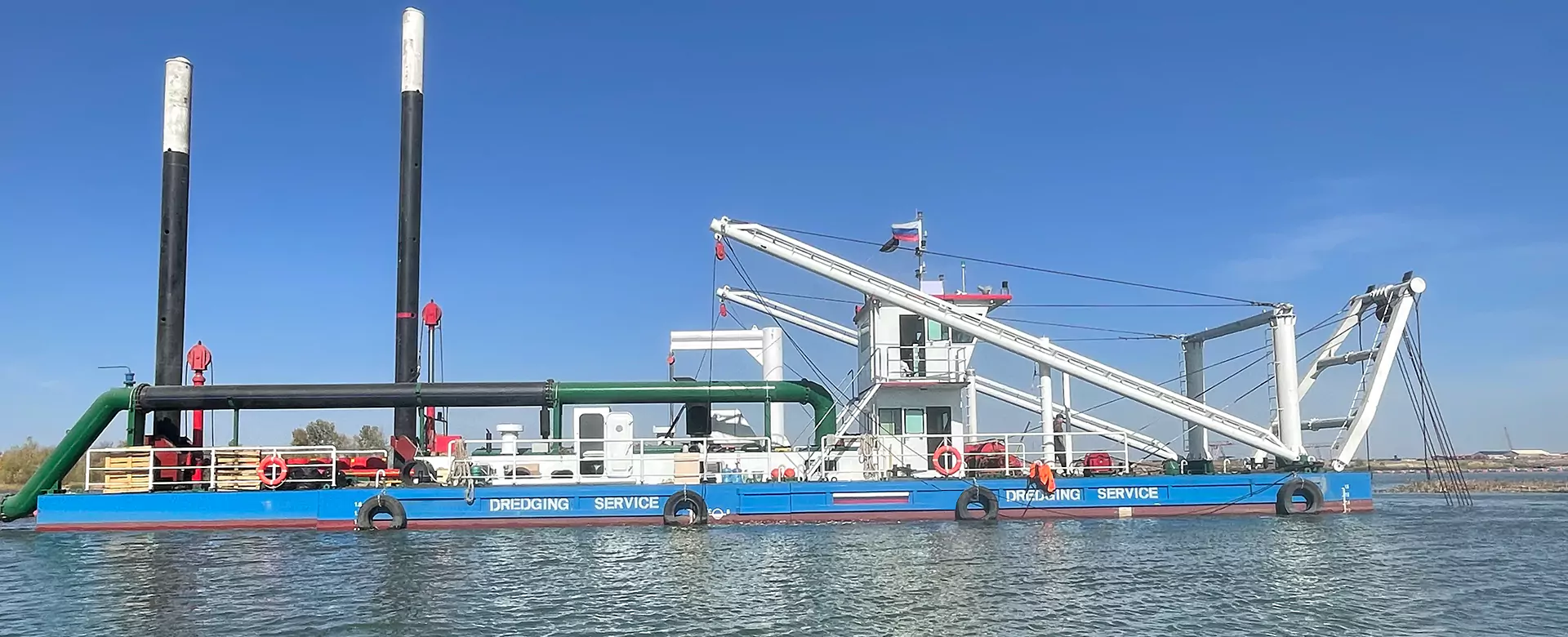
    A Cutter Suction Dredger (CSD) is a stationary dredging vessel essential for large-scale, hard material excavation. Unlike trailing suction hopper dredgers that move while working, a CSD is anchored in position using spuds and winches. Its defining feature is a powerful, rotating cutter head mounted on a ladder at the front of the vessel. This cutter head loosens dense materials like clay, rock, coral, and compacted sand. The disintegrated material is then sucked up by a centrifugal pump through the suction pipe and discharged via a floating pipeline to a designated disposal area, which can be several kilometers away. This makes the cutter suction dredger the premier choice for land reclamation, canal construction, port deepening, and mining projects requiring precise and efficient removal of challenging substrates.

    At Dingke Dredger, we engineer robust and high-performance cutter suction dredgers tailored to the specific geological and operational demands of your project, ensuring maximum productivity and return on investment.

    Applications of Cutter Suction Dredgers

    The versatility and power of the cutter suction dredger make it indispensable across multiple industries:

    • Land Reclamation: Creating new land from sea or lakes for airports, industrial zones, and urban expansion by pumping fill material.
    • Port and Harbor Development: Deepening berths and access channels to accommodate larger vessels, a key infrastructure upgrade.
    • River and Canal Maintenance: Restoring waterway depth for navigation, flood control, and irrigation by removing accumulated silt and sediment.
    • Mining: Extracting sand, gravel, tin, gold, and other minerals from underwater deposits (alluvial mining).
    • Pipeline and Cable Trenching: Precisely excavating trenches on the seabed for the installation of subsea infrastructure.
    • Environmental Remediation: Removing contaminated sediments from riverbeds and lakes with precision to meet clean-up targets.
    • Beach Nourishment: Pumping suitable sand from offshore sources to eroding coastlines to restore beaches.

    Why Choose Dingke Dredger for Your CSD Project?

    Selecting Dingke Dredger means partnering with a manufacturer dedicated to engineering excellence and customer success. Our cutter suction dredgers are not just assembled; they are meticulously designed and built based on decades of field experience. We use premium-grade materials and components from trusted suppliers to ensure reliability in the harshest operating environments. Our design philosophy focuses on operator ergonomics, maintenance accessibility, and fuel efficiency, reducing your total cost of ownership. From the initial project assessment to the final delivery and beyond, our team of engineers and project managers works closely with you to ensure the dredger we build is the perfect tool for your specific job, delivering the productivity and durability your investment demands.

  • Jet Suction Dredger
    Jet Suction Dredger

    What is a Jet Suction Dredger and How Does It Work?

    A Jet Suction Dredger is a specialized marine vessel designed for efficient sediment removal from waterways, ports, lakes, and rivers. Unlike traditional cutter suction dredgers, it utilizes a high-pressure water jet system to fluidize compacted materials on the seabed or riverbed. This process creates a slurry—a mixture of water and solids—which is then evacuated through a powerful centrifugal pump and discharged via a pipeline to a designated disposal area. The core principle hinges on using kinetic energy from water jets to loosen material, making it easier to pump over long distances with minimal mechanical wear on components. This method is particularly effective for sandy, silty, or gravel-based soils where a mechanical cutter head is unnecessary.

    Key Advantages of Choosing a Dingke Dredger Jet Suction Dredger

    Dingke Dredger engineers its jet suction dredgers for maximum operational efficiency, reliability, and environmental compliance. Our focus on robust design and innovative technology provides tangible benefits for your project.

    • High Efficiency in Loose Materials: Excels in pumping sand, silt, and fine gravel, achieving superior production rates compared to simple suction dredgers.
    • Reduced Component Wear: The absence of a rotating mechanical cutter head near the suction inlet significantly decreases wear and tear on critical parts, lowering maintenance costs and downtime.
    • Simplified Operation & Maintenance: With fewer complex mechanical parts involved in the excavation process, operation is more straightforward, and routine maintenance is less intensive.
    • Excellent for Long-Distance Discharge: The efficient slurry creation allows the dredged material to be pumped over considerable distances to the placement site, offering great flexibility.
    • Minimal Turbidity Generation: When properly operated, the targeted jet action can create less bottom disturbance than some mechanical methods, aiding in environmental management.
    • Versatility in Deployment: Suitable for various applications, from land reclamation and beach nourishment to maintaining navigational channels and environmental cleanup.

    Primary Applications of Jet Suction Dredgers

    The operational profile of a jet suction dredger makes it an ideal choice for several key maritime and civil engineering projects.

    • Maintenance of Navigation Channels: Regular removal of accumulated sediment in ports, harbors, and approach channels to ensure safe draft for vessels.
    • Land Reclamation: Extracting sand from offshore borrow areas and pumping it to create new land for industrial, commercial, or infrastructural development.
    • Beach Nourishment: Replenishing eroded beaches by pumping suitable sand from designated offshore sources, a critical coastal protection measure.
    • River & Lake Dredging: Desilting rivers to improve flow capacity and flood control, and restoring depth and ecology in lakes and reservoirs.
    • Mining & Aggregate Extraction: Used in sand and gravel mining operations, where the jet efficiently extracts material for processing.
    • Environmental Remediation: Carefully removing contaminated sediments from water bodies for safe, contained disposal or treatment.

    Frequently Asked Questions (FAQ) About Jet Suction Dredgers

    What type of soil is a jet suction dredger best suited for?

    A jet suction dredger performs optimally in non-cohesive, granular soils such as sand, silt, fine gravel, and loose clay. The high-pressure water jets effectively break the natural bonding in these materials, creating a pumpable slurry. It is less effective in hard clay, compacted gravel, rock, or soils with significant organic content like peat, which may require a mechanical cutter head.

    Can a Dingke Dredger jet suction dredger be customized for specific project needs?

    Yes, absolutely. Dingke Dredger specializes in providing tailored solutions. Customizations can include modifications to the dredging depth, pump power and materials, hull dimensions, automation level of the control system, and specific configurations for unique applications like deep lake mining or long-distance pumping projects.

    What kind of after-sales support and service does Dingke Dredger provide?

    Dingke Dredger offers comprehensive global support. This includes detailed operation and maintenance training for your crew, the supply of genuine spare parts and wear parts, remote technical assistance, and the availability of service engineers for on-site support and periodic maintenance checks to ensure optimal, long-term performance of your equipment.

    How is the environmental impact of jet suction dredging managed?

    Proper operation minimizes environmental impact. Key management strategies include using silt curtains to contain suspended sediments, carefully timing operations to avoid sensitive ecological periods, precisely targeting the dredging area to limit disturbance, and continuously monitoring turbidity levels. The jet suction method itself can be less disruptive than mechanical cutting in suitable soils.


  • Tugboat
    Tugboat

    Professional-Grade Tugboat Solutions for Modern Maritime Operations

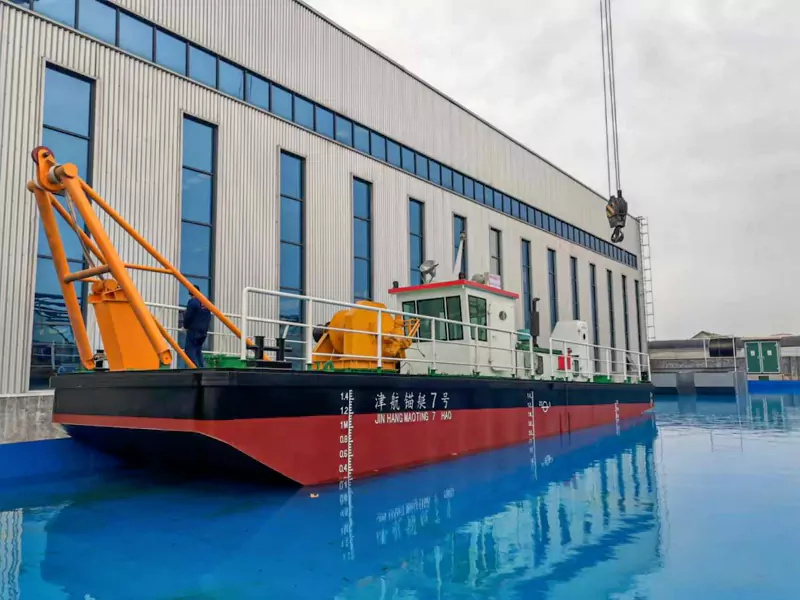
    In the demanding world of maritime logistics and port management, efficiency, power, and reliability are non-negotiable. A professional tugboat is the cornerstone of safe and efficient harbor operations, assisting larger vessels in berthing, unberthing, and navigating through confined or challenging waters. For two decades, Dingke Dredger has been at the forefront of marine engineering, designing and manufacturing robust tugboats that meet the rigorous standards of global port authorities and shipping companies. Our vessels are engineered for superior performance, durability, and operational safety, ensuring your maritime assets are managed with peak efficiency.
    Understanding the critical specifications of a tugboat is essential for making an informed investment. Below, we detail the core parameters and features of our flagship tugboat models, showcasing the engineering excellence synonymous with the Dingke Dredger brand.

    Frequently Asked Questions (FAQ) About Tugboats

    What is the primary function of a tugboat in port operations?

    The primary function is to provide precise maneuvering assistance to larger vessels that have limited agility in tight spaces. This includes pushing or pulling ships into and out of berths, guiding them through narrow channels, turning them around in confined basins, and holding them steady against currents or wind during cargo operations. They are indispensable for preventing collisions and ensuring the safe, efficient flow of maritime traffic.

    How does Dingke Dredger ensure the build quality and reliability of its tugboats?

    Dingke Dredger employs a rigorous quality management system throughout the design and construction process. We use premium-grade marine steel and source components from internationally certified suppliers. Construction occurs under the survey and approval of renowned classification societies (such as ABS or Bureau Veritas), who verify compliance with strict safety and construction rules. Each vessel undergoes comprehensive sea trials to test all systems, including bollard pull measurements, speed trials, and maneuverability tests, before delivery to the client.

    Are Dingke Dredger tugboats compliant with international environmental regulations?

    Yes, environmental compliance is a core design principle. Our tugboats are configured with main engines that meet or exceed IMO Tier II and Tier III emission standards, depending on the operational area. We offer options for optimized hull designs to reduce fuel consumption, ballast water treatment systems, and plans for future fuel adaptability (like biofuel or LNG readiness). Our focus is on delivering powerful performance while minimizing the ecological footprint of maritime operations.

    What after-sales support and services does Dingke Dredger provide?

    Our relationship with clients extends far beyond delivery. Dingke Dredger provides comprehensive after-sales support, including a global network of technical service partners, readily available spare parts for all critical systems, detailed operational and maintenance manuals, and crew training programs. We also offer scheduled maintenance plans and remote diagnostics support to ensure your tugboat remains in optimal operating condition, maximizing uptime and return on investment.

    Advanced Features & Customization Options

    Beyond standard specifications, Dingke Dredger integrates advanced technological features to enhance operational capability and safety. These can be incorporated based on client needs:

    • Dynamic Positioning (DP) Systems: For automatic station-keeping and precise maneuvering without manual helm control, essential for complex offshore or terminal operations.
    • Fi-Fi (Firefighting) Class: Integration of powerful external firefighting pumps and monitor systems, allowing the tug to act as a first-response fireboat.
    • Oil Spill Recovery Capability: Installation of dedicated sweeps, skimmers, and tanks for environmental protection duties.
    • Enhanced Fendering: Custom fender arrangements (e.g., sheer-strake fendering, cell fenders) for specific hull types like curved cruise ships or flat-sided barges.
    • Ice-Class Notation: Reinforced hulls and systems for operation in cold climates and icy waters.
    • Remote Monitoring Systems: Satellite-based systems allowing fleet managers to monitor engine performance, fuel consumption, and location in real-time.
  • Excavator Platform
    Excavator Platform

    Dingke Dredger's Excavator Platform: Engineering Excellence for Demanding Projects

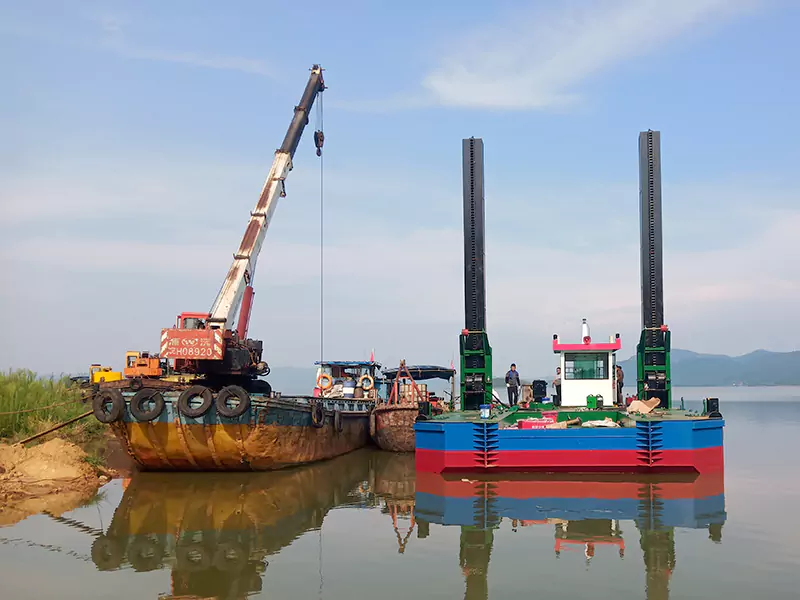
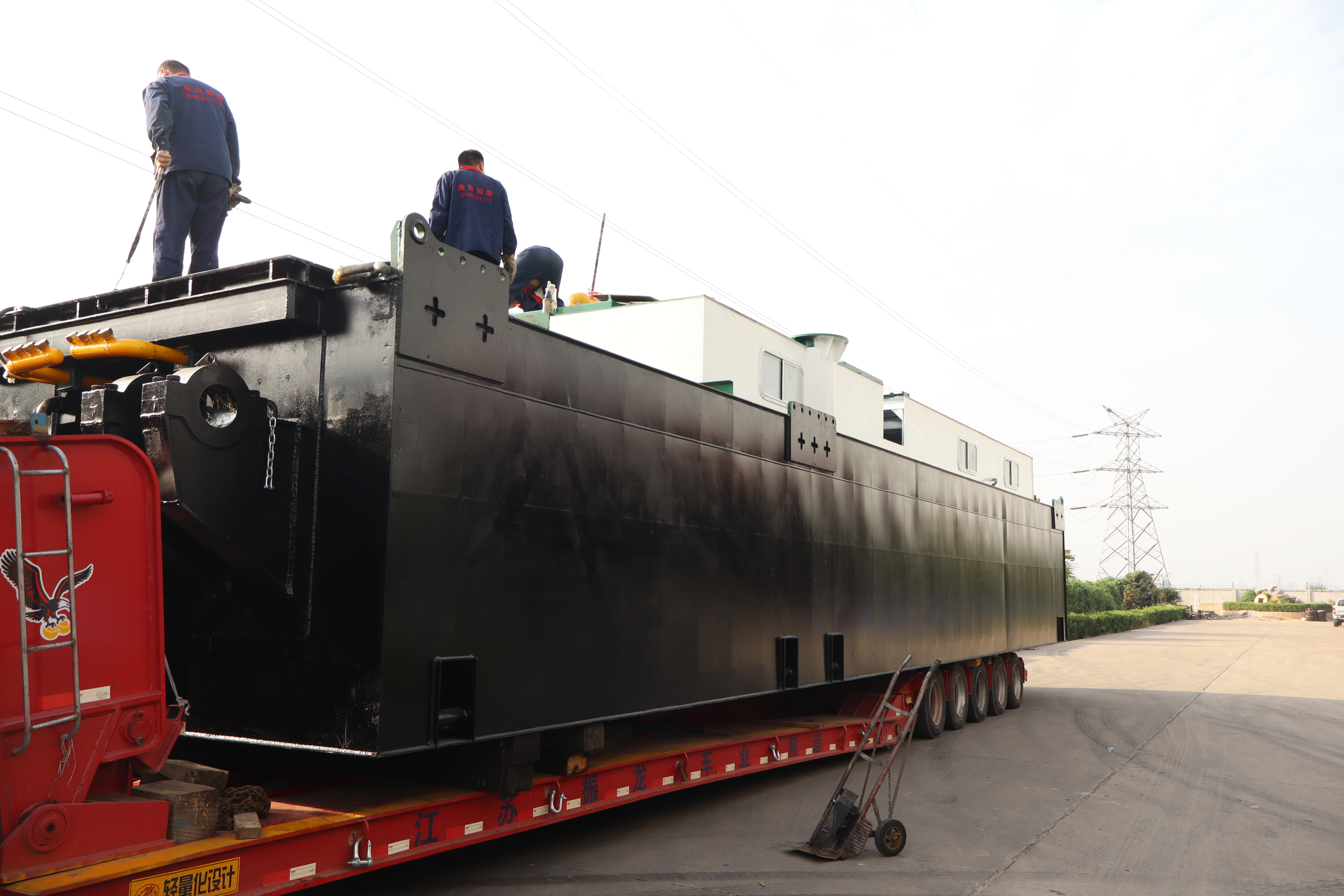
    An excavator platform is far more than just a floating base; it is a sophisticated, engineered solution that transforms standard excavators into powerful, versatile marine and amphibious workhorses. At Dingke Dredger, with two decades of specialized experience, we design and manufacture these platforms to the highest standards of durability, stability, and operational efficiency. Our platforms are the critical link that enables precise, productive, and safe excavation, dredging, piling, and construction work in environments where traditional equipment cannot operate—shallow waters, marshes, shorelines, and sensitive ecological sites.

    Every Dingke Excavator Platform is built with a deep understanding of the forces at play: buoyancy, stability under dynamic loads, and the harsh conditions of marine operation. We use superior materials and robust construction techniques to ensure longevity and minimal maintenance, providing our clients with a reliable asset that delivers a superior return on investment across countless projects worldwide.

    Core Design Principles & Technical Specifications

    The effectiveness of an excavator platform hinges on several integrated design principles. Dingke platforms excel in each area:

    • Optimal Buoyancy & Load Capacity: Calculated to support the combined weight of the excavator, its maximum operational load (bucket load, hammer, etc.), fuel, and personnel with a significant safety margin. This ensures the platform sits correctly in the water for safe operation.
    • Uncompromising Stability: A low center of gravity and a wide-beam design counteract the shifting, heavy loads and dynamic movements of the excavator's upper structure, preventing dangerous listing or tipping.
    • Exceptional Durability: Constructed from high-tensile steel with reinforced critical stress points. All welds are executed to marine-grade standards, and we apply advanced multi-layer anti-corrosion coatings to combat rust and degradation from constant water exposure.
    • Operational Flexibility: Designed for compatibility with a wide range of excavator sizes and types (crawler, wheeled). Features include standardized mounting points, non-slip deck surfaces, and configurations for ancillary equipment like hydraulic power packs.
    • Deployment Efficiency: Many models are modular or feature pontoon-based designs, allowing for easier transport, rapid on-site assembly, and adaptability to various project footprints.

    Excavator Platform FAQ

    Q: What are the main advantages of using a Dingke Excavator Platform over traditional land-based excavation near water?

    A: Dingke platforms provide direct access to the worksite on water, eliminating the need for costly and time-consuming bank preparation, cofferdams, or temporary access roads. They minimize environmental disturbance to shorelines and wetlands. Crucially, they allow the excavator to work from a stable base, enabling precise material removal, grading, or placement directly from the water, which dramatically increases efficiency and safety for aquatic projects.

    Q: Are Dingke platforms compatible with all excavator brands and models?

    A: Yes, our platforms are designed generically to accommodate the undercarriage dimensions and weight distribution of most major brands (Caterpillar, Komatsu, Hitachi, Volvo, etc.) within a specified weight class. The deck provides ample space and features standardized, reinforced tie-down points. For very large or uniquely configured machines, we offer custom deck layouts and mounting solutions.

    Q: How does Dingke ensure the long-term durability and corrosion resistance of its steel platforms?

    A: We start with high-quality, graded steel. After fabrication, all surfaces undergo rigorous abrasive blasting to SA 2.5 standard to achieve a perfectly clean, profiled anchor pattern. We then apply a multi-coat system: a high-build epoxy zinc phosphate primer for cathodic protection, followed by a resilient epoxy intermediate coat, and finished with a polyurethane topcoat for UV resistance and added abrasion protection. This system is tailored for permanent immersion, tidal zones, and atmospheric exposure.

    Q: What safety features are integrated into Dingke Excavator Platforms?

    A: Safety is paramount. Standard features include: perimeter safety handrails (removable for equipment access), non-slip diamond plate decking, numerous certified lifting lugs for handling, clearly marked load capacity plates, and reinforced tiedown rings. Optional features include deck lighting kits, buoyancy compartment inspection hatches, and accessory mounts for life rings and fire extinguishers.

    Applications of the Dingke Excavator Platform

    • Environmental Dredging: Precise removal of contaminated sediments from ponds, lakes, and canals with minimal spread.
    • Marina & Waterway Maintenance: Dredging silt, removing debris, and constructing or repairing docks and seawalls.
    • Pipeline & Cable Crossing: Excavating trenches in riverbeds and wetlands for utility installation.
    • Bridge & Culvert Construction: Providing a stable platform for pile driving, abutment work, and cofferdam support in water.
    • Land Reclamation & Shoreline Protection: Placing rock for revetments, constructing groynes, and backfilling behind new structures.
    • Flood Control & Drainage: Clearing and enlarging drainage channels, rivers, and floodways.
    • Aquaculture & Pond Management: Shaping and deepening ponds, constructing levees, and managing water levels.
  • Bucket Dredger
    Bucket Dredger

    What is a Bucket Dredger?

    A Bucket Dredger, also known as a bucket ladder dredger or chain bucket dredger, is a highly efficient, stationary dredging vessel designed for extracting sand, gravel, clay, and other materials from underwater deposits. Its defining feature is a continuous loop of buckets attached to a rotating "ladder" or endless chain. As the ladder rotates, the buckets dig into the seabed or riverbed, lift the material to the surface, and deposit it onto a conveyor system for transport. Dingke Dredger specializes in engineering robust and high-performance bucket dredgers tailored for challenging projects worldwide, from mineral mining and land reclamation to environmental cleanup.

    Key Components & Working Principle

    The operational excellence of a Dingke bucket dredger stems from its integrated components:

    • Ladder and Bucket Chain: The core digging apparatus. A heavy-duty steel ladder, adjustable in angle, holds an endless chain with numerous digging buckets.
    • Excavation Buckets: Specially designed steel buckets with cutting lips that fill efficiently with material as the chain moves.
    • Upper and Lower Guide Wheels (Sprockets): Drive and guide the bucket chain, ensuring smooth operation and proper discharge.
    • Discharge Chute and Conveyor System: Receives material from the buckets and transfers it to barges or shore-based transport via belt conveyors.
    • Spuds and Anchoring System: Heavy steel piles lowered to the seabed to hold the vessel stationary during operation, allowing for precise forward movement.
    • Power Plant and Winches: Provide hydraulic or electric power for all mechanical functions, including ladder hoisting and spud operation.

    The dredger swings side-to-side around a central spud, with the bucket ladder digging a precise arc. This method allows for controlled, thorough excavation of defined areas.

    Advantages of Choosing a Dingke Bucket Dredger

    • High Efficiency in Compact Materials: Excels in cohesive soils like clay, hardpan, and densely packed gravel where suction dredgers may struggle.
    • Precise Grading & Profiling: The mechanical digging action allows for accurate bottom leveling and trenching, creating clean profiles.
    • Minimal Water Pollution: The closed bucket system lifts material with little turbidity, making it ideal for environmentally sensitive areas.
    • Robustness & Reliability: Dingke's heavy-duty construction ensures continuous operation in tough conditions with minimal downtime.
    • Lower Operational Dilution: Delivers a higher ratio of solid material to water compared to many hydraulic dredgers, improving downstream processing efficiency.
    • Versatility: Can be equipped with different bucket types (rock, sand, clay) to handle a wide range of materials.

    Applications of Bucket Dredgers

    Dingke bucket dredgers are deployed across various industries:

    • Sand and Gravel Mining: Extracting aggregates for construction with high purity and volume.
    • Land Reclamation: Providing stable fill material for creating new land from sea or waterways.
    • Harbor and Channel Maintenance: Removing compacted sediments and debris to maintain navigational depths.
    • Lake and Pond Restoration: Precisely removing contaminated sediments or excess organic matter.
    • Mineral Mining: Recovering valuable minerals like tin, gold, or diamonds from alluvial deposits.
    • Industrial Projects: Excavating trenches for pipelines or cables in underwater environments.


About Us

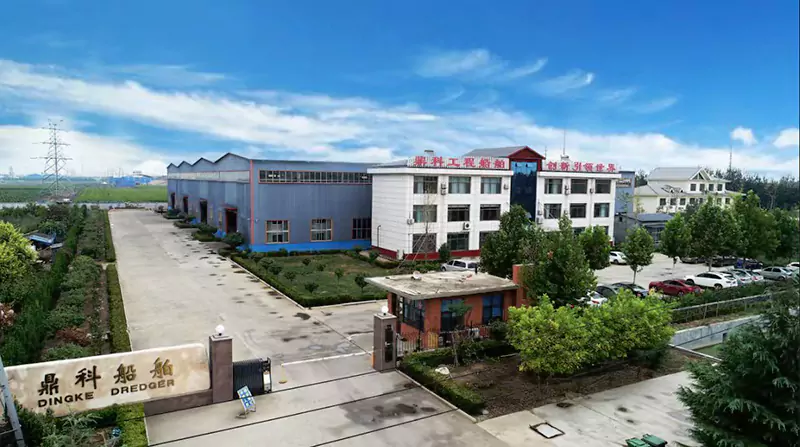
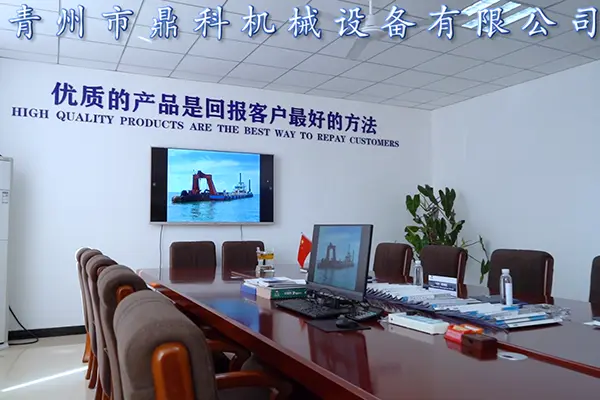
Qingzhou City Dingke Dredger Equipment Co., Ltd.

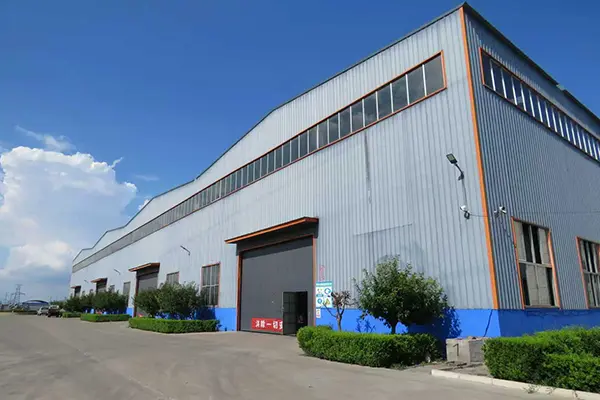
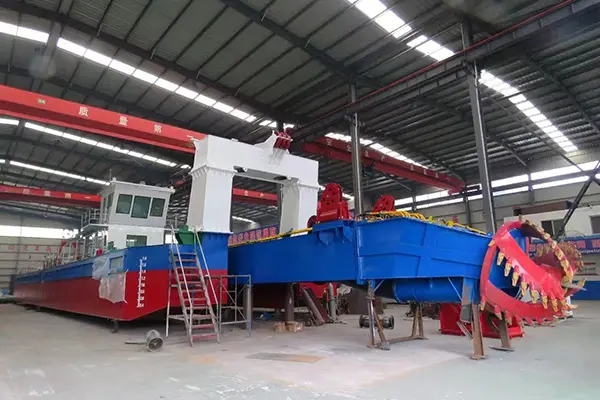
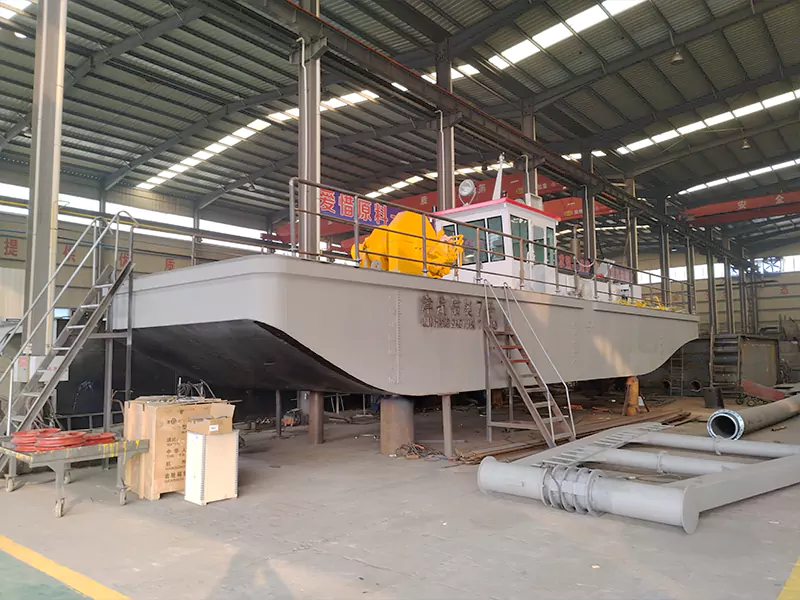
Dingke dredger operates a modern heavy-duty manufacturing base equipped with advanced CNC cutting, high-precision welding, and automated assembly systems. Our standardized production workflows ensure that every dredger—from initial steel cutting to final water testing—meets rigorous industrial benchmarks.

About Us

Your Partner in Marine Excellence

Bulding ships since 1990
30

Production Experience

20+

Export Countries

3000+

Partners

3500W

Registered Capital

Why Choose Dingke dredger

30 Years of Trust: Why Global Contractors Partner with Dingke dredger

01

Factory-Direct Expertise

As a direct manufacturer since 1990, we eliminate middleman costs while delivering three decades of elite engineering pedigree. You get higher steel grades and more hydraulic power for every dollar invested.

02

Complex-Terrain R&D

We don’t sell "one-size-fits-all" stock. Our senior marine designers utilize CAD and SolidWorks to customize your dredger based on your specific soil density, dredging depth, and discharge distance.

03

Modular Rapid Logistics

Every Dingke vessel features a fully dismountable sectional hull. This allows a 50-meter dredger to be packed into standard containers, bypassed through narrow inland roads, and reassembled on-site in days.

04

Lifetime Tech Support

Our relationship starts at delivery. We provide on-site assembly, professional operator training, and 24/7 genuine spare parts supply to ensure your project maintains maximum uptime and profitability.

Send Inquiry

News

Stay updated with the latest trends in Hydraulic Cutter Suction and Eco-Friendly Electric Dredging.

How Does a Cutter Suction Dredger Work?

How Does a Cutter Suction Dredger Work?

Cutter Suction Dredgers (CSDs) are highly efficient vessels designed for dredging and sediment removal in rivers, harbors, and coastal areas. This article explores their working principle, key components, operational benefits, and practical applications to help businesses and project managers choose the right solution for their dredging needs.