How Does a Channel Dredger Ship Optimize Waterway Depth and Efficiency?
Abstract: Maintaining safe and navigable waterways is a persistent challenge for ports, shipping operators, and infrastructure managers. A Channel Dredger Ship plays a critical role in removing sediment buildup, ensuring consistent depth, and improving operational efficiency. This article explores how these specialized vessels work, what problems they solve, and how to select the right solution for your project. It also highlights practical insights, technical considerations, and real-world benefits provided by Qingzhou City Dingke Dredger Equipment Co., Ltd.
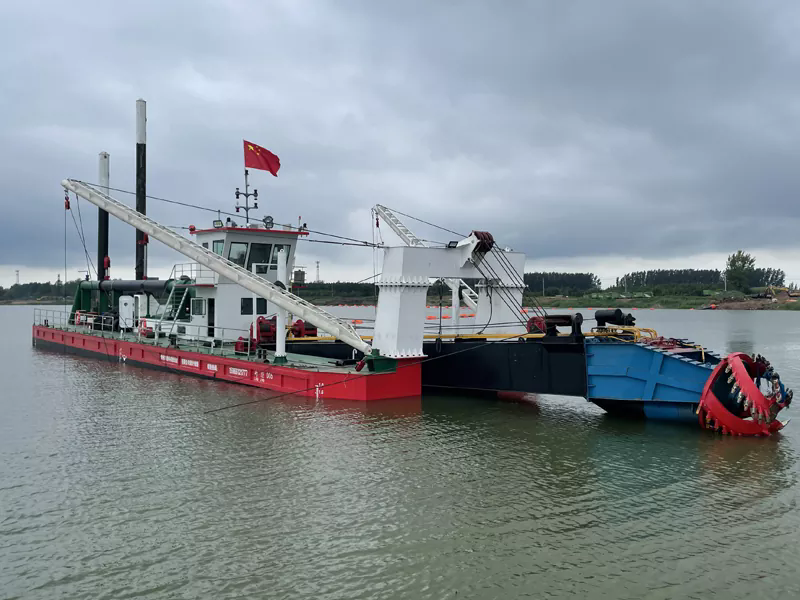
Table of Contents
- 1. Introduction to Channel Dredger Ships
- 2. Key Challenges in Waterway Maintenance
- 3. How a Channel Dredger Ship Works
- 4. Types of Channel Dredger Ships
- 5. Core Benefits and Value
- 6. How to Choose the Right Dredger
- 7. Comparison Table
- 8. Common Applications
- 9. FAQ
- 10. Conclusion
1. Introduction to Channel Dredger Ships
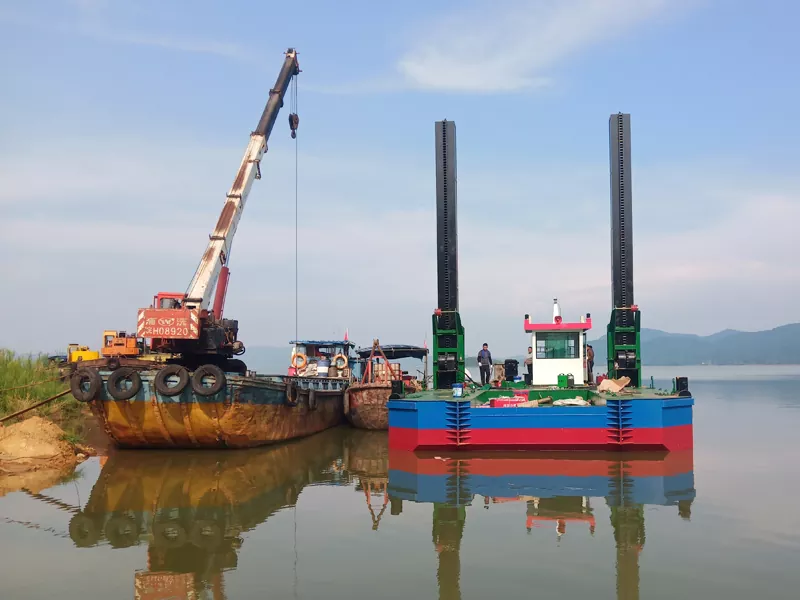
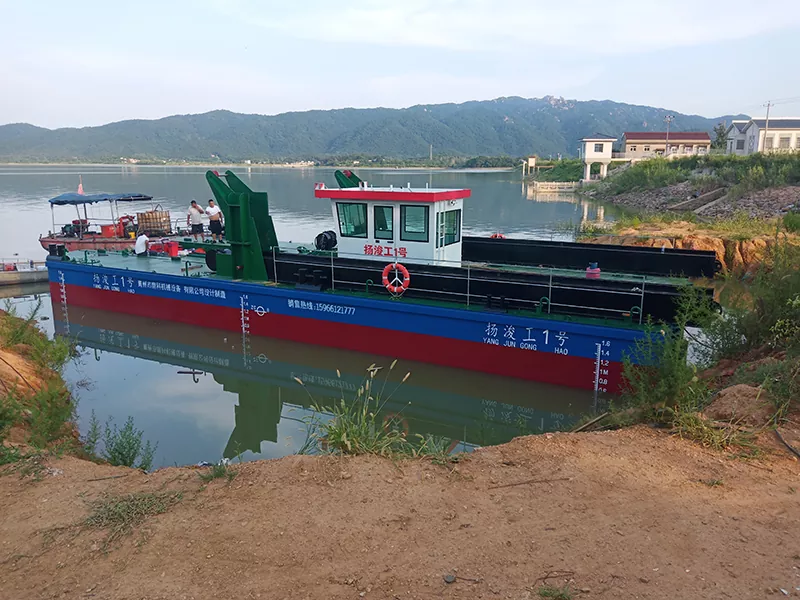
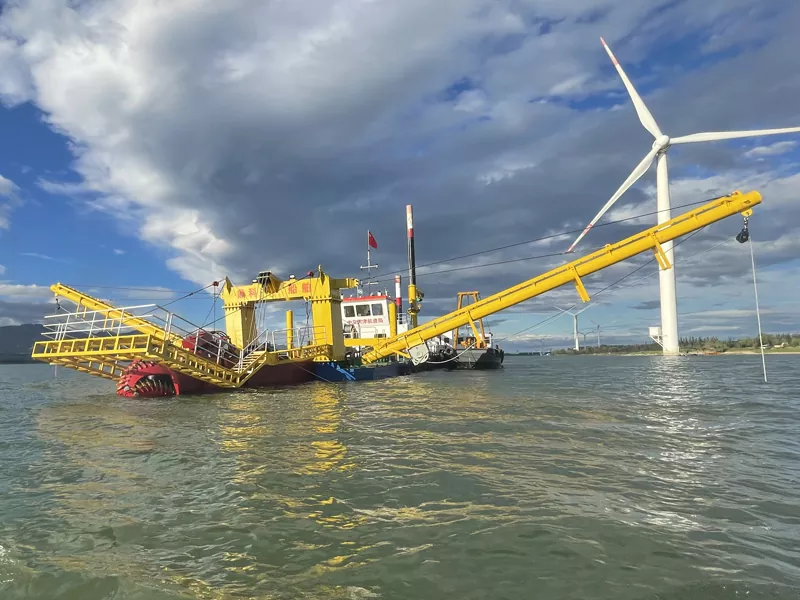
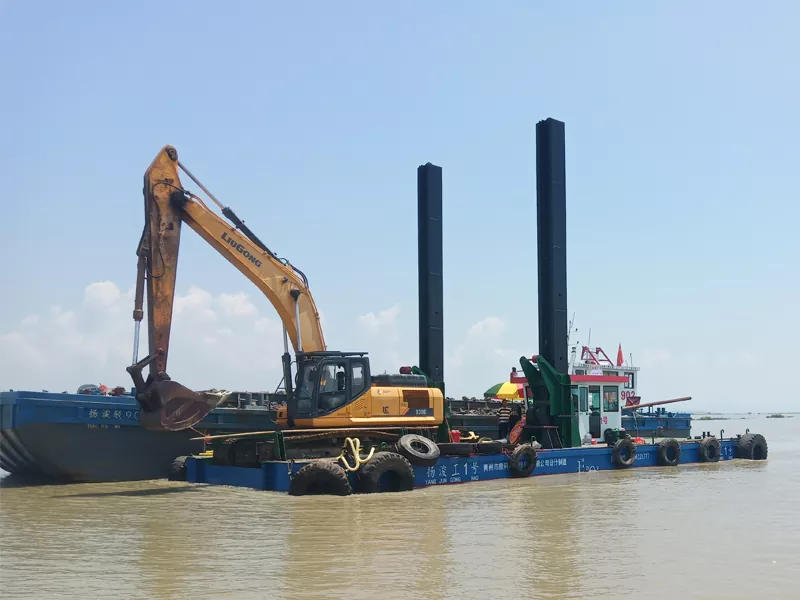
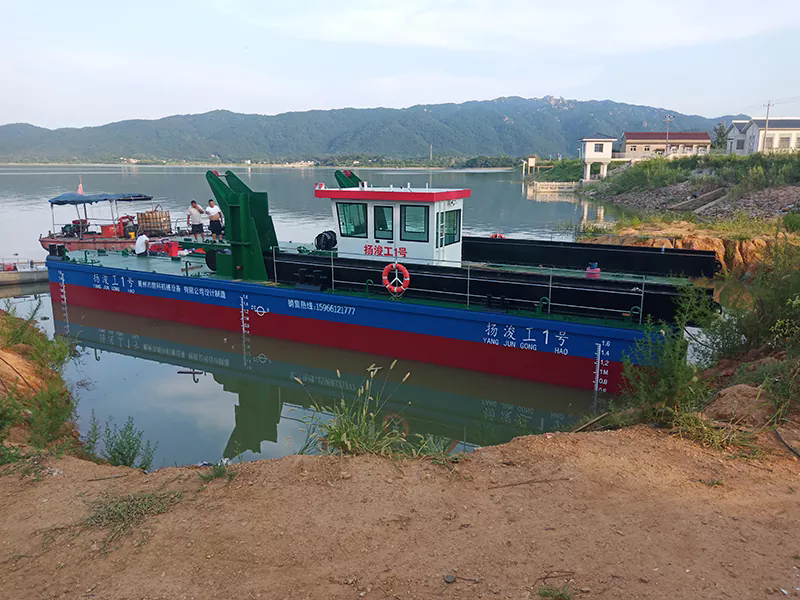
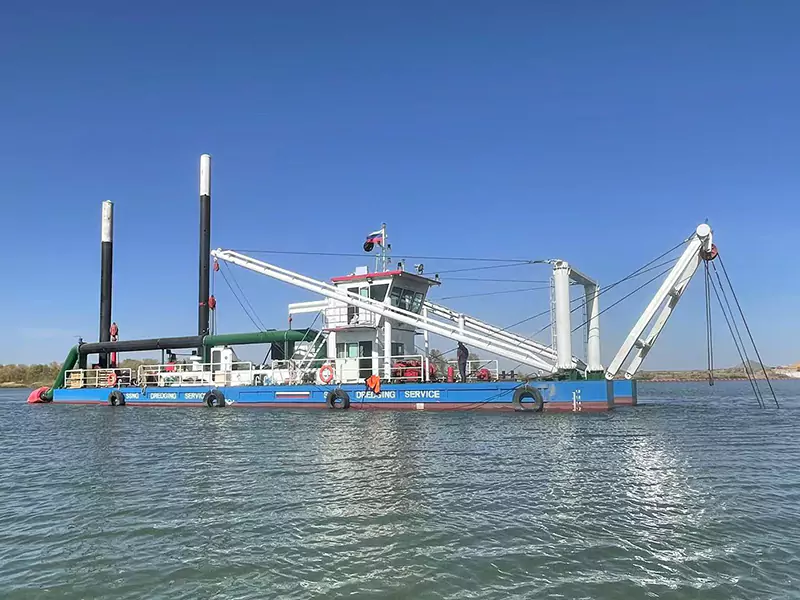
A Channel Dredger Ship is a specialized marine vessel designed to remove sediment, debris, and other obstructions from waterways such as rivers, harbors, and navigation channels. Over time, sediment accumulation reduces water depth, causing navigation hazards and limiting vessel capacity. Dredging ensures waterways remain safe, efficient, and compliant with regulatory requirements.
Companies like Qingzhou City Dingke Dredger Equipment Co., Ltd. have developed advanced dredging solutions that combine durability, efficiency, and precision engineering to meet modern maritime demands.
2. Key Challenges in Waterway Maintenance
Before understanding how dredger ships operate, it’s important to identify the common issues faced by waterway managers:
- Sediment Accumulation: Natural processes deposit sand, silt, and clay, reducing channel depth.
- Navigation Restrictions: Shallow waters limit vessel size and cargo capacity.
- Environmental Concerns: Improper dredging can harm ecosystems.
- Operational Downtime: Blocked channels disrupt shipping schedules.
- High Maintenance Costs: Inefficient dredging leads to repeated operations.
A well-designed Channel Dredger Ship directly addresses these issues through targeted and efficient sediment removal.
3. How a Channel Dredger Ship Works
The operation of a Channel Dredger Ship involves several coordinated systems working together:
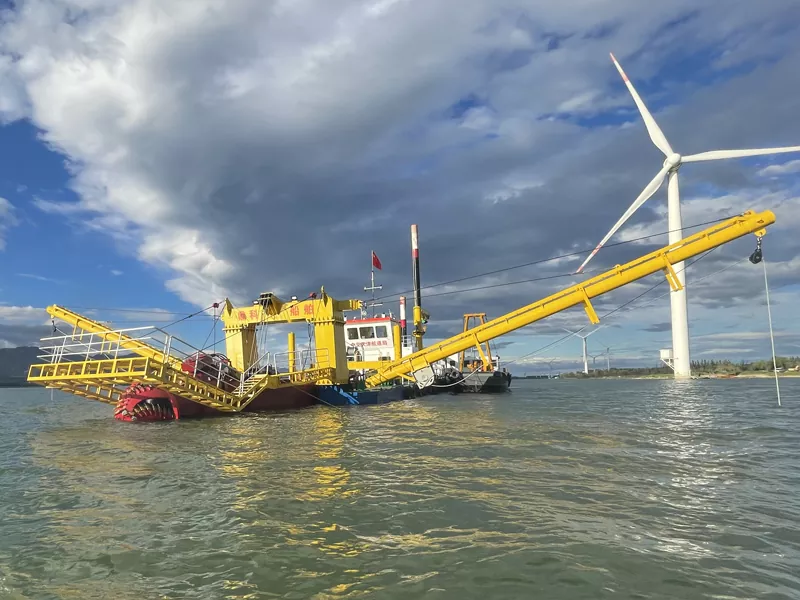
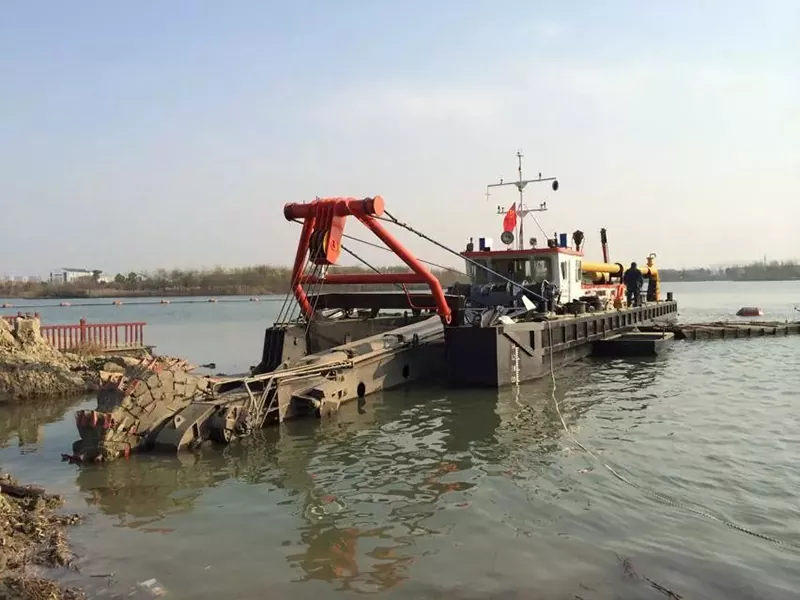
- Cutter Head or Suction System: Loosens compacted sediment from the channel bed.
- Pump System: Transports dredged material through pipelines.
- Discharge System: Deposits sediment at designated disposal or reclamation sites.
- Navigation and Control System: Ensures precise dredging paths and depth control.
The process begins with the cutter head breaking up material, followed by suction pumps transferring slurry through pipes. Advanced automation systems ensure consistent performance and minimize energy consumption.
4. Types of Channel Dredger Ships
Different dredging projects require different equipment. Below are the main types:
- Cutter Suction Dredger (CSD): Ideal for compact soil and heavy-duty operations.
- Trailing Suction Hopper Dredger (TSHD): Suitable for large-scale offshore dredging.
- Bucket Dredger: Effective for precise excavation in confined areas.
- Auger Dredger: Designed for environmentally sensitive projects.
Each type offers unique advantages depending on project scale, sediment type, and environmental conditions.
5. Core Benefits and Value
- Improved Navigation Safety: Maintains consistent channel depth.
- Enhanced Port Efficiency: Supports larger vessels and increased throughput.
- Cost Savings: Reduces long-term maintenance frequency.
- Environmental Control: Modern dredgers minimize ecological disruption.
- Customizable Solutions: Equipment tailored to project-specific needs.
Manufacturers like Qingzhou City Dingke Dredger Equipment Co., Ltd. focus on integrating reliability with operational efficiency, helping clients achieve measurable results.
6. How to Choose the Right Dredger
Selecting the appropriate Channel Dredger Ship requires careful evaluation of several factors:
- Project Scale: Small rivers vs. large ports.
- Material Type: Sand, clay, or rock.
- Depth Requirements: Precision vs. bulk dredging.
- Environmental Regulations: Compliance with local laws.
- Budget Constraints: Initial investment vs. lifecycle cost.
Consulting with experienced manufacturers ensures optimal equipment selection and long-term performance.
7. Comparison Table
| Type | Best For | Advantages | Limitations |
|---|---|---|---|
| Cutter Suction Dredger | Hard soil and compact sediment | High efficiency, continuous operation | Limited mobility |
| Trailing Suction Hopper | Large-scale offshore projects | High capacity, flexible | Higher cost |
| Bucket Dredger | Precision excavation | Accurate dredging | Slower operation |
| Auger Dredger | Eco-sensitive areas | Low turbidity | Limited depth |
8. Common Applications
- Port and harbor maintenance
- River channel deepening
- Land reclamation projects
- Flood prevention and drainage improvement
- Mining and resource extraction
These applications demonstrate the versatility and necessity of Channel Dredger Ships in modern infrastructure development.
9. FAQ
Q1: How often should dredging be performed?
It depends on sedimentation rates and waterway usage. High-traffic ports may require annual maintenance.
Q2: Is dredging environmentally safe?
Modern dredging technologies are designed to minimize ecological impact through controlled sediment removal.
Q3: What is the lifespan of a dredger ship?
With proper maintenance, a dredger can operate efficiently for 20–30 years.
Q4: Can dredgers handle different soil types?
Yes, but the choice of dredger type depends on the material characteristics.
Q5: How do I get a customized solution?
Working with experienced manufacturers like Qingzhou City Dingke Dredger Equipment Co., Ltd. ensures tailored solutions.
10. Conclusion
A Channel Dredger Ship is an essential asset for maintaining efficient and safe waterways. By addressing sediment buildup, improving navigation, and supporting infrastructure growth, these vessels deliver long-term value across multiple industries. Choosing the right equipment and partner is critical to achieving optimal results.
If you are looking for reliable, high-performance dredging solutions, Qingzhou City Dingke Dredger Equipment Co., Ltd. offers advanced equipment tailored to your needs. Contact us today to discover how we can help you optimize your dredging operations and maximize efficiency.
Related News
- How Is Bucket Ladder Dredger Technology Shaping Modern Dredging?
- How Can Cutter Suction Dredger Technology Improve Modern Dredging Projects?
- How Does a Gold Dredger Ship Work?
- How Does a Port Dredger Ship Improve Harbor Efficiency and Reduce Operational Risks?
- Are Bucket Dredgers Becoming More Eco‑Friendly for River Restoration?
- How Does an Excavator Platform Improve Construction Efficiency?
Leave me a message