How Does a Port Dredger Ship Improve Harbor Efficiency and Reduce Operational Risks?
Abstract
Port operations worldwide face increasing pressure from larger vessels, stricter environmental standards, and the need for uninterrupted logistics flow. A Port Dredger Ship plays a critical role in maintaining navigable waterways, preventing sediment buildup, and ensuring safe vessel movement. This article explores how dredger ships function, the types available, and how they directly address customer pain points such as downtime, rising maintenance costs, and environmental compliance. By understanding these systems, port operators and contractors can make more informed investment decisions and optimize long-term operational efficiency.
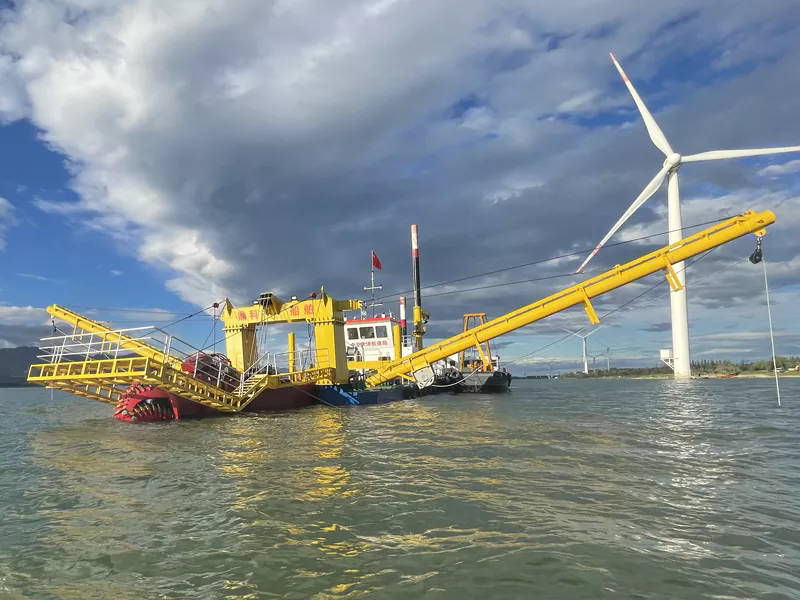
Table of Contents
- 1. What Is a Port Dredger Ship?
- 2. Why Ports Require Continuous Dredging
- 3. How a Port Dredger Ship Works
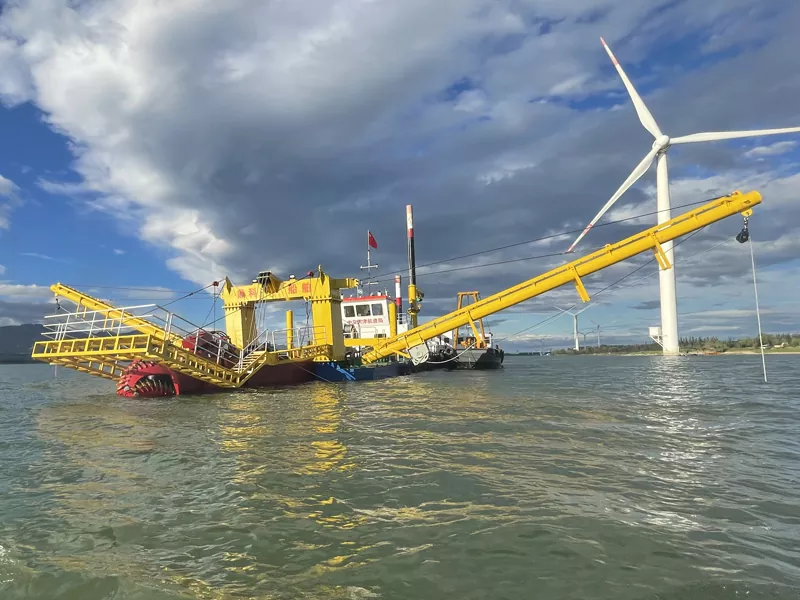
- 4. Types of Port Dredger Ships
- 5. Key Components and Technologies
- 6. Common Customer Pain Points Solved
- 7. Selection Guide for Buyers
- 8. Operational Best Practices
- 9. Cost vs Value Analysis
- 10. FAQ
1. What Is a Port Dredger Ship?
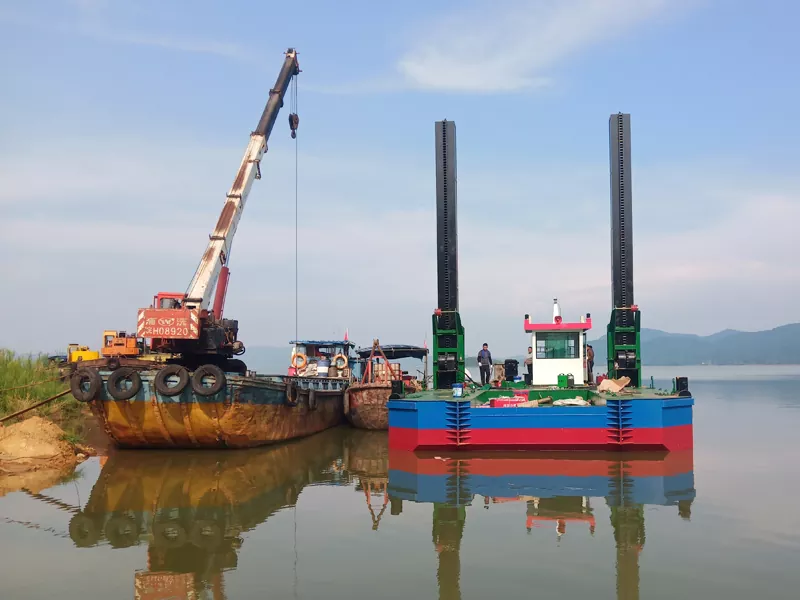
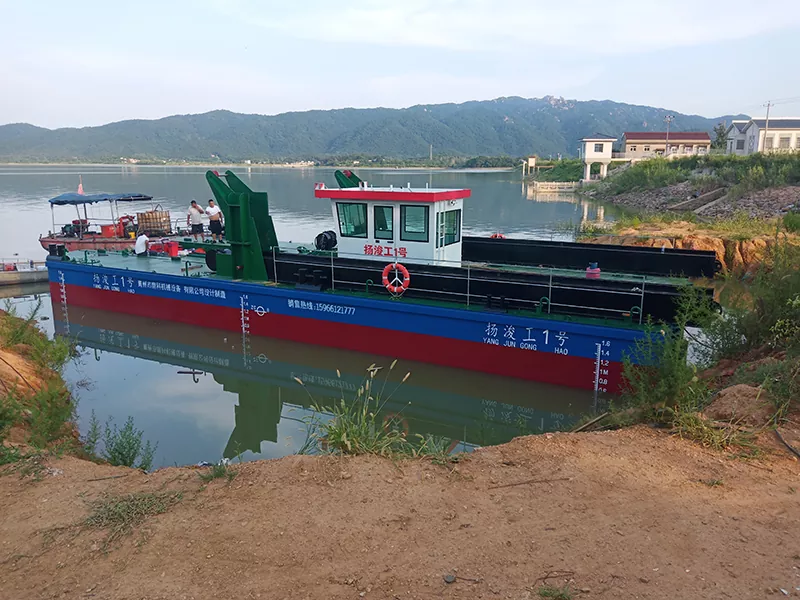
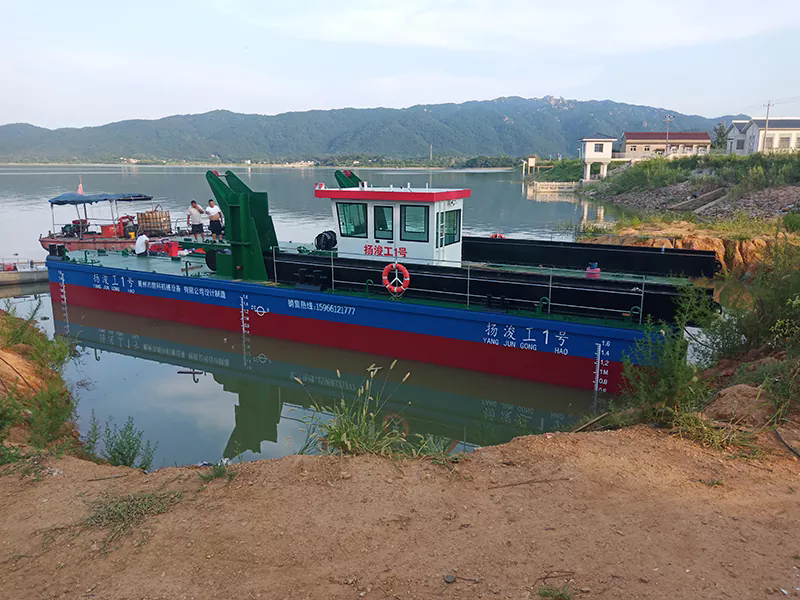
A Port Dredger Ship is a specialized marine vessel designed to remove sediment, debris, and underwater obstructions from harbor beds, navigation channels, and docking areas. Over time, natural processes such as sedimentation and tidal movement cause silt accumulation, which can reduce water depth and compromise vessel safety.
Dredger ships ensure that ports maintain required depth levels, enabling safe passage for cargo ships, tankers, and passenger vessels. Without consistent dredging, ports risk reduced capacity, increased accident rates, and economic losses.
2. Why Ports Require Continuous Dredging
Sedimentation is not a one-time issue—it is an ongoing challenge. Ports located near rivers, estuaries, or coastal zones are particularly vulnerable.
- Natural Sediment Deposition: Rivers carry silt that settles in port basins.
- Tidal Movements: Continuous shifting redistributes seabed materials.
- Human Activity: Construction and shipping accelerate sediment accumulation.
- Channel Narrowing: Reduced depth limits vessel size and cargo capacity.
Failure to address these factors leads to operational bottlenecks, delayed shipments, and increased insurance risks.
3. How a Port Dredger Ship Works
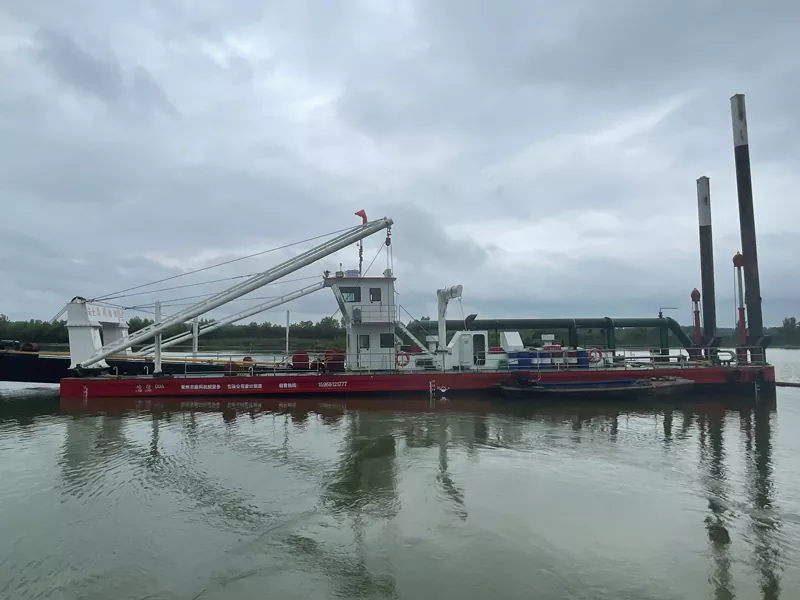
The working principle of a Port Dredger Ship depends on its type, but the general process involves excavation, transportation, and disposal of seabed material.
- Excavation: Sediment is loosened using cutters, suction heads, or buckets.
- Collection: Material is transported via pipelines or onboard storage.
- Discharge: Sediment is relocated to designated disposal or reclamation areas.
Modern dredgers integrate GPS positioning systems, automated control systems, and real-time monitoring to improve accuracy and efficiency.
4. Types of Port Dredger Ships
| Type | Working Principle | Best Application |
|---|---|---|
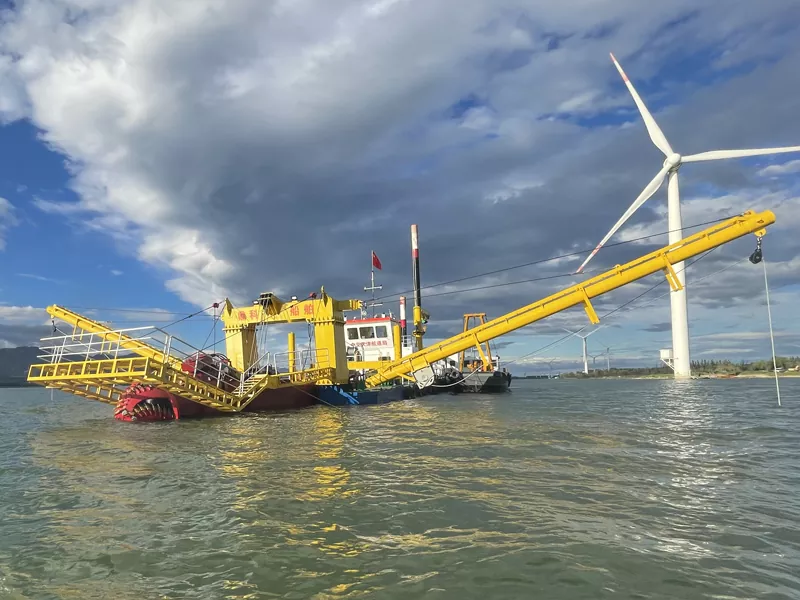
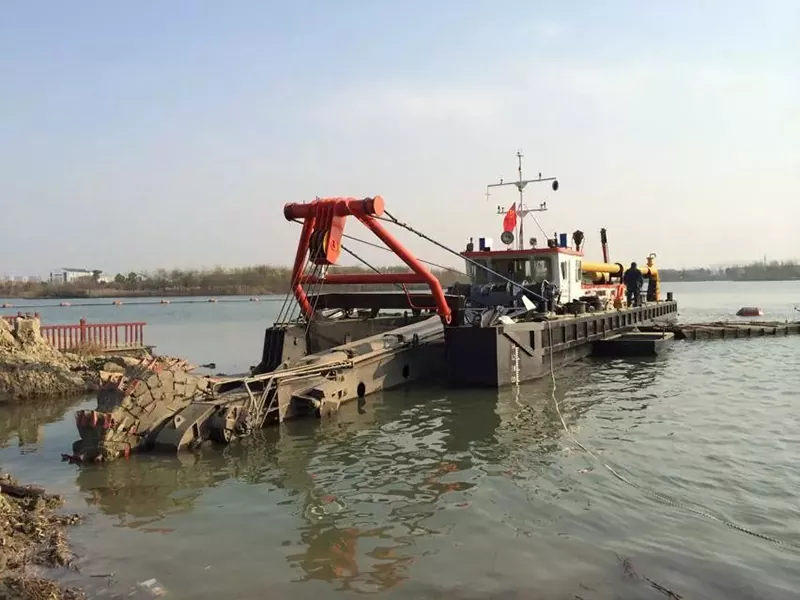
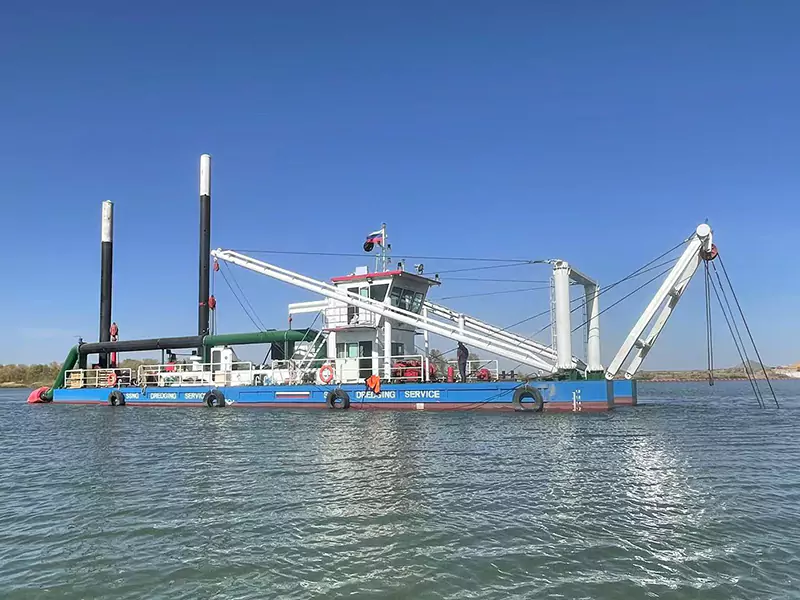
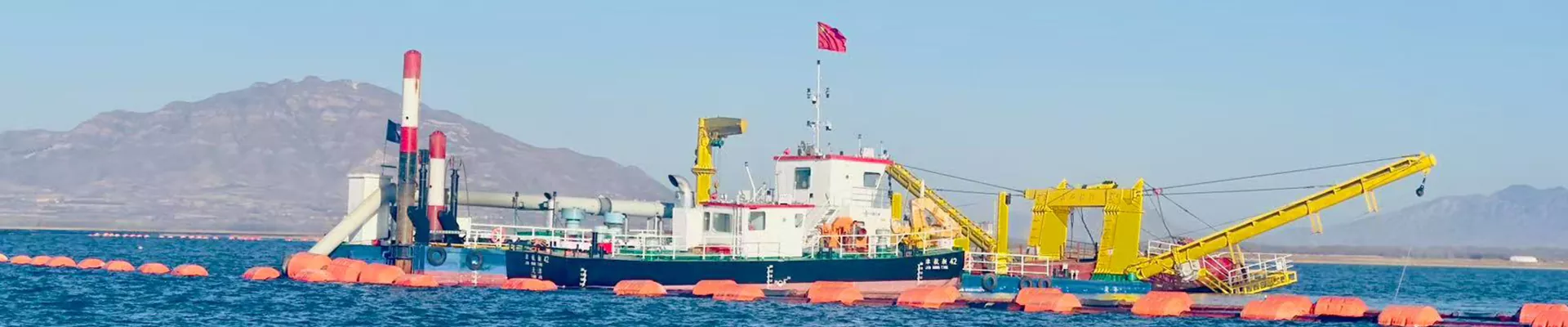
| Cutter Suction Dredger | Uses rotating cutter head with suction pipeline | Hard soil and compact sediment |
| Trailing Suction Hopper Dredger | Drags suction pipe while moving | Maintenance dredging in open water |
| Bucket Dredger | Mechanical buckets scoop sediment | Precise dredging in confined areas |
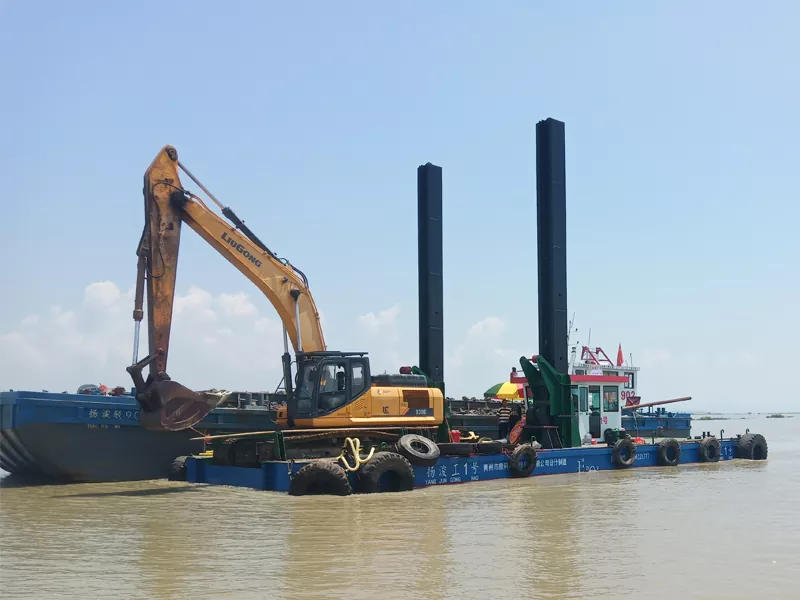
| Grab Dredger | Crane-mounted grab collects materials | Debris removal and port maintenance |
5. Key Components and Technologies
A high-performance Port Dredger Ship consists of several integrated systems:
- Dredging Pump: High-capacity pump for slurry transport
- Cutter Head: Breaks compacted sediment efficiently
- Spud System: Stabilizes the vessel during operation
- Control System: Enables automation and precision dredging
- Pipeline System: Transfers dredged material to disposal sites
Manufacturers such as Qingzhou City Dingke Dredger Equipment Co., Ltd. focus on integrating durable materials and intelligent systems to enhance reliability and reduce maintenance frequency.
6. Common Customer Pain Points Solved
Investing in a Port Dredger Ship directly addresses several critical operational challenges:
- Frequent Downtime: Efficient dredging ensures uninterrupted port operations.
- High Maintenance Costs: Modern dredgers reduce wear and operational inefficiencies.
- Limited Vessel Access: Maintaining depth allows larger ships to dock safely.
- Environmental Compliance: Controlled dredging minimizes ecological impact.
- Low Productivity: Automated systems improve output and reduce labor dependency.
7. Selection Guide for Buyers
Choosing the right Port Dredger Ship requires a structured evaluation of project requirements:
- Soil Type: Determine sediment hardness and composition
- Dredging Depth: Match equipment capability with project depth
- Production Capacity: Evaluate cubic meters per hour requirements
- Mobility Needs: Consider self-propelled vs stationary dredgers
- Budget Constraints: Balance initial investment with lifecycle costs
Reliable suppliers like Qingzhou City Dingke Dredger Equipment Co., Ltd. offer customized solutions tailored to specific port conditions and operational demands.
8. Operational Best Practices
- Conduct regular hydrographic surveys to monitor sediment levels
- Implement predictive maintenance schedules
- Use real-time monitoring systems for accuracy
- Train operators on advanced control systems
- Follow environmental guidelines for sediment disposal
Adopting these practices ensures long-term performance and maximizes return on investment.
9. Cost vs Value Analysis
While the upfront cost of a Port Dredger Ship can be significant, the long-term benefits often outweigh the investment.
| Factor | Short-Term Impact | Long-Term Value |
|---|---|---|
| Initial Investment | High | Asset longevity and reliability |
| Operational Efficiency | Moderate | Significant productivity gains |
| Maintenance | Controlled | Reduced lifecycle costs |
| Port Throughput | Improves gradually | Maximized cargo handling capacity |
10. FAQ
Q1: How often should a port be dredged?
The frequency depends on sedimentation rates, but most ports require maintenance dredging annually or semi-annually.
Q2: What is the lifespan of a Port Dredger Ship?
With proper maintenance, a dredger ship can operate efficiently for 20–30 years or more.
Q3: Is dredging environmentally safe?
Yes, when conducted with modern equipment and compliance measures, dredging minimizes ecological disruption.
Q4: Can dredger ships be customized?
Absolutely. Manufacturers like Qingzhou City Dingke Dredger Equipment Co., Ltd. provide tailored configurations based on project needs.
Q5: What industries benefit from dredger ships?
Ports, mining operations, land reclamation projects, and coastal engineering sectors all rely on dredging solutions.
Conclusion
A Port Dredger Ship is not just a piece of equipment—it is a strategic asset that ensures the sustainability and profitability of port operations. By maintaining optimal water depth, improving safety, and enhancing efficiency, dredger ships play an indispensable role in modern maritime infrastructure.
If you are looking for reliable, high-performance dredging solutions, Qingzhou City Dingke Dredger Equipment Co., Ltd. offers industry-proven equipment designed to meet diverse operational needs. Contact us today to explore customized solutions and elevate your port efficiency to the next level.
Related News
- How Is Bucket Ladder Dredger Technology Shaping Modern Dredging?
- How Can Cutter Suction Dredger Technology Improve Modern Dredging Projects?
- How Does a Gold Dredger Ship Work?
- Are Bucket Dredgers Becoming More Eco‑Friendly for River Restoration?
- How Does an Excavator Platform Improve Construction Efficiency?
- How Does a Channel Dredger Ship Optimize Waterway Depth and Efficiency?
Leave me a message