How Is Bucket Ladder Dredger Technology Shaping Modern Dredging?
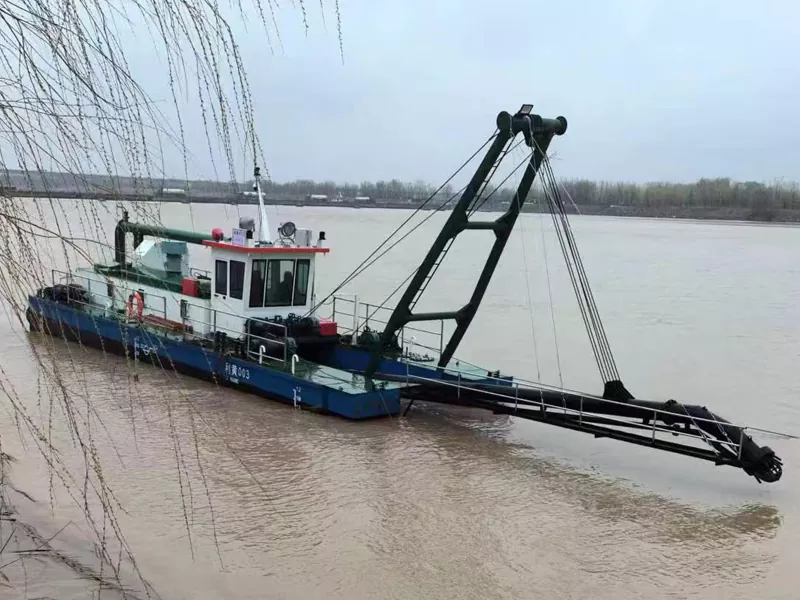
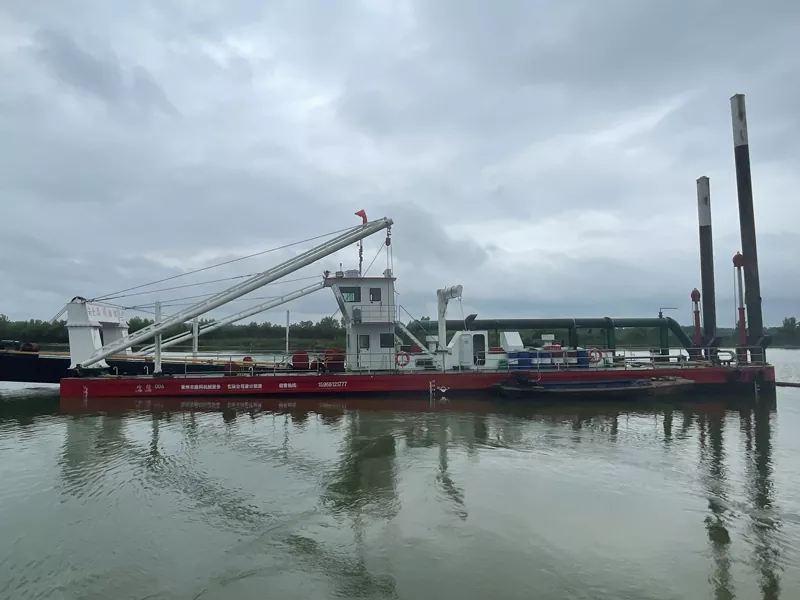
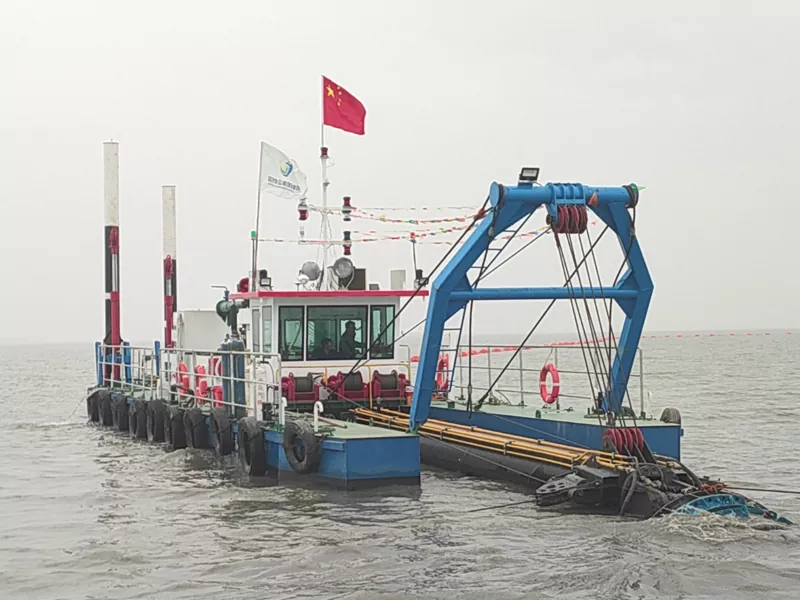
As waterways, ports, reservoirs, and coastal infrastructure continue to require regular sediment management, the dredging industry is placing greater emphasis on equipment that can combine excavation stability, material handling efficiency, and dependable long-term operation. A Bucket Ladder Dredger offers a mechanical excavation approach that is particularly suitable for projects involving cohesive soils, compacted sediment, sand, gravel, and other underwater materials. Its continuous bucket-chain working principle allows material to be excavated and transferred in a controlled process, supporting consistent production across a wide range of water environments.
The development of modern dredging machinery is also being influenced by changing project requirements. Operators increasingly need equipment that can adapt to different sediment conditions, maintain stable excavation depth, and integrate effectively with material transportation systems. These requirements are encouraging manufacturers to improve structural engineering, hydraulic control, ladder systems, bucket configurations, and overall equipment reliability.

Why Mechanical Excavation Remains Important
Mechanical excavation continues to play an important role in dredging because underwater materials do not always behave in the same way. Soft mud, compacted deposits, sand layers, gravel, and mixed sediments can require different excavation strategies. Equipment designed around mechanical digging can provide direct contact with the material, allowing the excavation process to remain relatively predictable when working with deposits that may be difficult to remove through pumping alone.
This working method can be especially useful when a project requires controlled excavation rather than simply removing large volumes of loose sediment. The bucket mechanism engages the material directly, while the ladder assembly guides the excavation process along the required working area. Once the material is lifted, it can be transferred through the discharge system for further transportation or processing.
Handling Different Underwater Materials
One of the major considerations in dredging equipment selection is the physical condition of the material being removed. Sediment may vary significantly within the same project area. A machine that performs well in loose silt may not provide the same excavation behavior when encountering compacted deposits or coarse material.
Bucket-based excavation provides a practical solution for applications where material resistance is an important consideration. The bucket teeth or cutting edges engage directly with the deposit, while the continuous movement of the chain keeps excavation progressing. This approach can support projects where stable material recovery and controlled excavation are more important than extremely high-speed sediment pumping.
- Suitable for cohesive and compacted underwater deposits
- Effective for controlled excavation in defined working areas
- Continuous bucket movement supports consistent material recovery
- Mechanical digging provides direct contact with difficult sediment
- Adaptable configurations can address different geological conditions
How the Working Principle Supports Continuous Operation
The operating principle of this type of dredging equipment is based on a continuous bucket chain mounted along an inclined ladder. As the chain moves, individual buckets travel toward the underwater excavation area, enter the sediment, collect material, and move upward. The filled buckets then reach the discharge position, where the dredged material is released for transportation.
This continuous sequence creates an integrated excavation and lifting process. Instead of relying on a single intermittent digging action, the bucket chain maintains a steady movement cycle. The result is a working method that can be adjusted according to material conditions, excavation requirements, and transportation capacity.
Integration Between Excavation and Material Transfer
Efficient dredging depends not only on excavation but also on what happens immediately after material is removed. If the excavation system operates faster than the transportation system, material handling can become a limiting factor. Modern equipment therefore needs to coordinate the digging mechanism with discharge and transportation arrangements.
The bucket chain, ladder, discharge section, and supporting structure work together as a complete mechanical system. Proper coordination helps maintain a stable flow of dredged material and can reduce unnecessary interruptions during operation. Engineering optimization of these components is therefore an important part of modern dredger development.
| System Area | Primary Function | Operational Benefit |
|---|---|---|
| Bucket Chain | Excavates and lifts underwater material | Continuous material recovery |
| Dredging Ladder | Positions the excavation mechanism | Controlled working depth |
| Discharge System | Transfers excavated material | Stable material handling |
| Support Structure | Maintains equipment stability | Reliable operation in changing conditions |
What Is Driving Innovation in Dredging Machinery?
Dredging technology is developing in response to increasingly diverse project conditions. Ports may require maintenance dredging around navigation channels, while rivers and reservoirs may need sediment removal to maintain water flow and storage capacity. Coastal projects can involve land reclamation or seabed preparation, and mining-related operations may require the recovery of valuable underwater materials.
These applications create demand for machinery that is not limited to a single operating environment. Manufacturers are therefore concentrating on modular engineering, stronger structural components, improved control systems, and application-specific configurations. The objective is to create equipment that can be adapted without compromising mechanical reliability.
Engineering Improvements for Better Adaptability
Modern dredger design increasingly considers the complete operating environment rather than focusing only on excavation capacity. Water depth, sediment characteristics, current conditions, transportation distance, working area, and maintenance accessibility can all influence equipment performance.
Engineering teams can respond to these variables through changes in bucket configuration, ladder arrangement, hull structure, power transmission, discharge systems, and control methods. Such customization allows the same fundamental dredging concept to support different project requirements while maintaining a consistent mechanical operating principle.
Another important development is the integration of monitoring and control technologies. Operators can use instrumentation and control systems to observe equipment status, working conditions, and key operating parameters. Better visibility can support more precise operation and help maintenance teams identify abnormal conditions before they develop into major equipment problems.
Applications Across Waterway and Marine Projects
The versatility of mechanical bucket excavation allows this equipment category to serve a broad range of dredging applications. River maintenance is one important area, particularly where accumulated sediment affects navigation or reduces the effective cross-sectional area of a waterway. Controlled excavation can help restore the required channel profile while maintaining a stable working process.
Port and harbor maintenance is another important application. Sediment accumulation around navigation channels, berthing areas, and approach routes can interfere with vessel access. Reliable dredging machinery can support regular maintenance programs and help infrastructure operators maintain functional waterways.
River and Channel Maintenance
Rivers are dynamic environments in which sediment can accumulate, migrate, and settle according to changes in flow conditions. Dredging projects may therefore require controlled removal from specific areas rather than unrestricted excavation. Mechanical equipment can be configured for targeted work where excavation accuracy and stable material recovery are important.
Channel improvement projects can also involve deposits with varying levels of compaction. A bucket-based system can engage directly with these materials and maintain a predictable excavation sequence. This makes it a practical option for waterway projects where sediment characteristics may change throughout the working area.
Port, Harbor, and Coastal Development
Marine infrastructure requires dependable equipment because dredging operations may take place under demanding environmental conditions. Harbor maintenance, berth preparation, channel development, and coastal construction can all require the removal or relocation of underwater materials.
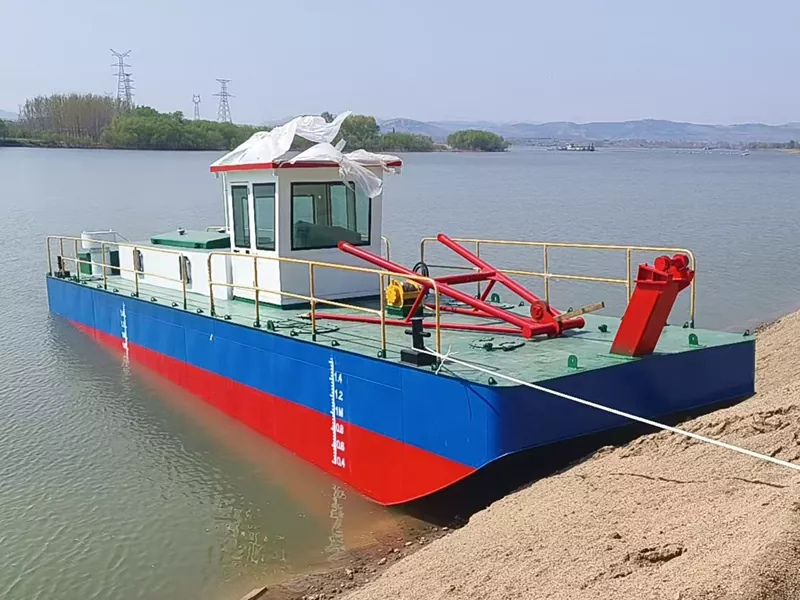
In these environments, equipment stability and structural durability are especially important. The dredger must maintain its working position while the ladder and bucket system operate continuously. A carefully engineered hull and support structure can therefore contribute significantly to overall operational reliability.
Reservoir and Resource Recovery Projects
Reservoirs can accumulate sediment over time, reducing usable capacity and affecting water management. Dredging provides a method for removing accumulated deposits from selected areas. Mechanical excavation can be advantageous where the material has become sufficiently compacted to require direct digging action.
Bucket-based dredging systems can also support certain underwater resource recovery applications. Where material needs to be excavated, lifted, and transferred in a continuous process, the mechanical chain system provides a practical foundation for project-specific engineering.
Operational Considerations for Long-Term Performance
Equipment performance depends on more than the basic excavation mechanism. Long-term reliability is influenced by structural design, component quality, maintenance practices, operator training, and the suitability of the machine for the working environment.
Before a dredging project begins, technical teams should evaluate the expected sediment characteristics, water conditions, excavation profile, material transportation arrangement, and available working space. These factors can influence the appropriate equipment configuration and help establish a more efficient operating strategy.
Maintenance and Component Reliability
Continuous mechanical movement places repeated loads on chains, buckets, rollers, drive components, bearings, and structural connections. Regular inspection is therefore essential for maintaining stable operation. Wear components should be monitored according to actual working conditions, while lubrication and alignment should be managed as part of routine maintenance.
Inspection should also cover the dredging ladder, support structure, drive system, discharge area, and hydraulic components. Early identification of wear or abnormal vibration can help prevent unexpected downtime and protect other connected components from secondary damage.
Matching Equipment With Project Conditions
There is no single dredging configuration that is ideal for every project. Sediment type, water depth, required excavation profile, transportation method, and environmental conditions all influence equipment selection.
For this reason, professional manufacturers increasingly provide customized engineering services rather than offering only standardized machinery. Project-specific design can improve compatibility between the dredger and the overall production system, helping operators achieve more stable performance in real working environments.
The Importance of Manufacturing Quality
Reliable dredging equipment begins with sound engineering and controlled manufacturing. Large mechanical structures must withstand continuous loads, vibration, corrosion, and changing operating conditions. Manufacturing precision is particularly important for moving assemblies because incorrect alignment or poor component tolerances can affect efficiency and accelerate wear.
Quality control should cover material selection, welding processes, machining accuracy, component assembly, surface treatment, and final equipment inspection. A structured manufacturing process provides greater consistency and helps ensure that individual components operate together as an integrated system.
From Research and Development to Field Support
Experienced manufacturers understand that equipment development does not end when a machine leaves the production facility. Actual project conditions can provide valuable information for future design improvements. Feedback from field operation can help engineering teams refine structural components, hydraulic arrangements, control methods, and maintenance strategies.
Lifecycle support is therefore becoming an increasingly important part of the dredging equipment industry. Technical consultation, installation assistance, commissioning, spare parts support, maintenance guidance, and engineering improvements can all contribute to a more dependable operating experience.
How the Industry Can Move Toward More Sustainable Dredging
Sustainability is becoming an important consideration in waterway engineering. Modern dredging projects increasingly need to balance infrastructure requirements with environmental protection. Efficient excavation, controlled material handling, and responsible sediment management can help reduce unnecessary disturbance to surrounding areas.
Equipment efficiency can also contribute to more responsible resource use. Optimized power transmission, appropriate machine configuration, and stable operating procedures can reduce wasted energy and unnecessary mechanical stress. Better monitoring can further help operators adjust equipment performance according to actual working conditions.
Better Control of Sediment Handling
Environmental considerations extend beyond excavation itself. Dredged material may need to be transported, processed, reused, or placed in designated areas according to the requirements of the project and local regulations. A well-integrated dredging system can support more controlled material transfer from the excavation area to the next stage of handling.
This approach is particularly valuable for projects where sediment management is closely connected with environmental planning. By considering excavation, transportation, and final material handling as one system, project teams can develop a more coordinated operational strategy.
What Does the Future Hold for Mechanical Dredging?
The future of dredging will likely involve closer integration between mechanical engineering, hydraulic technology, digital monitoring, and customized project design. Equipment manufacturers are expected to continue improving excavation mechanisms while developing smarter control and diagnostic capabilities.
Automation can also support more consistent operation. Monitoring systems may provide operators with clearer information about equipment status and working conditions, while intelligent control technologies can assist with maintaining stable operating parameters. These developments can improve productivity without removing the need for experienced engineering judgment.
At the same time, the fundamental requirements of dredging equipment remain unchanged: strong structures, dependable components, efficient material handling, and suitability for the actual working environment. Advanced technology is most valuable when it strengthens these core capabilities rather than adding unnecessary complexity.
A More Integrated Approach to Project Engineering
Future dredging projects are likely to place greater emphasis on system-level planning. Instead of evaluating excavation machinery independently, project teams can consider the complete process from underwater digging to material transportation and final placement.
This integrated approach allows equipment configuration to be matched more closely with project objectives. It can also improve coordination between mechanical systems, support vessels, pipelines, material handling facilities, and environmental management procedures.
Why Experienced Manufacturers Matter in Modern Dredging
As dredging projects become more specialized, engineering experience remains one of the most important factors behind dependable equipment performance. Manufacturers with long-term industry knowledge can combine practical application experience with research and development capabilities, allowing them to address both standard and complex operating requirements.
Qingzhou City Dingke Dredger Equipment Co., Ltd. was established in 1990 and has built more than three decades of expertise in hydraulic machinery. The company integrates research and development, high-precision manufacturing, and global lifecycle support to provide professional dredging equipment and engineering solutions.
With a strong focus on manufacturing quality and practical application requirements, Qingzhou City Dingke Dredger Equipment Co., Ltd. continues to develop equipment for diverse waterway, marine, and resource-related projects. Its combination of technical experience, precision manufacturing, customized engineering, and lifecycle support positions the company as a dependable partner for organizations seeking efficient and durable dredging solutions.
As the industry continues to evolve, Bucket Ladder Dredger technology will remain relevant wherever controlled mechanical excavation, stable material recovery, and adaptable project engineering are required. Continued innovation in structure, control, material handling, and manufacturing quality will help this established dredging method meet the changing demands of modern waterway and marine infrastructure.
Previous :
-
Related News
- How Can Cutter Suction Dredger Technology Improve Modern Dredging Projects?
- How Does a Gold Dredger Ship Work?
- How Does a Port Dredger Ship Improve Harbor Efficiency and Reduce Operational Risks?
- Are Bucket Dredgers Becoming More Eco‑Friendly for River Restoration?
- How Does an Excavator Platform Improve Construction Efficiency?
- How Does a Channel Dredger Ship Optimize Waterway Depth and Efficiency?
Leave me a message