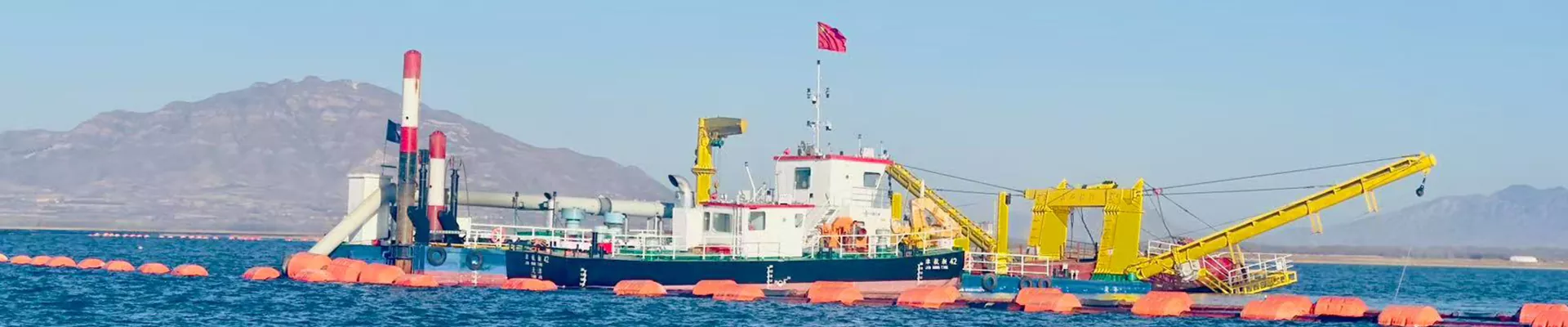
Are Bucket Dredgers Becoming More Eco‑Friendly for River Restoration?
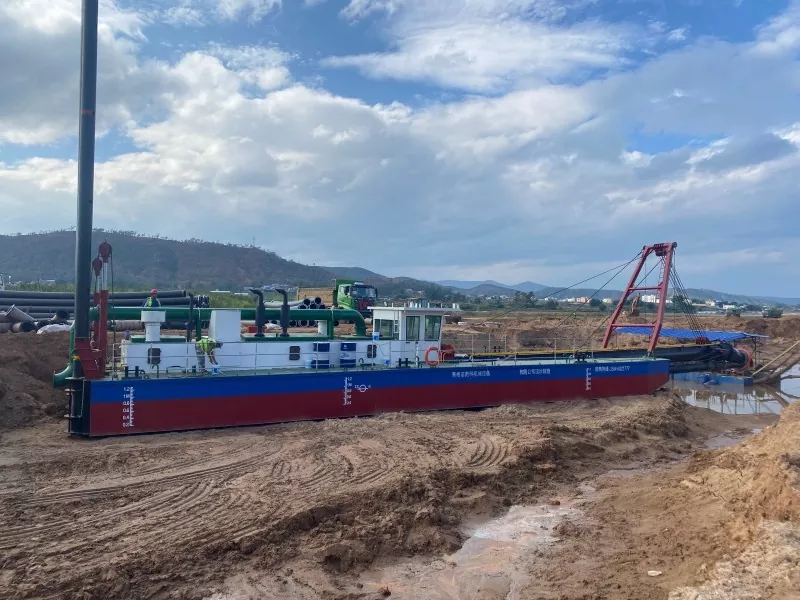
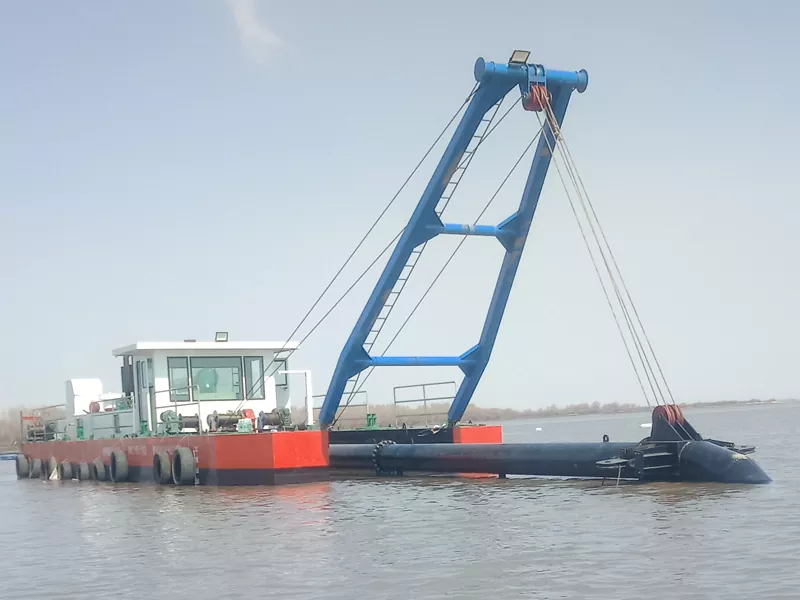
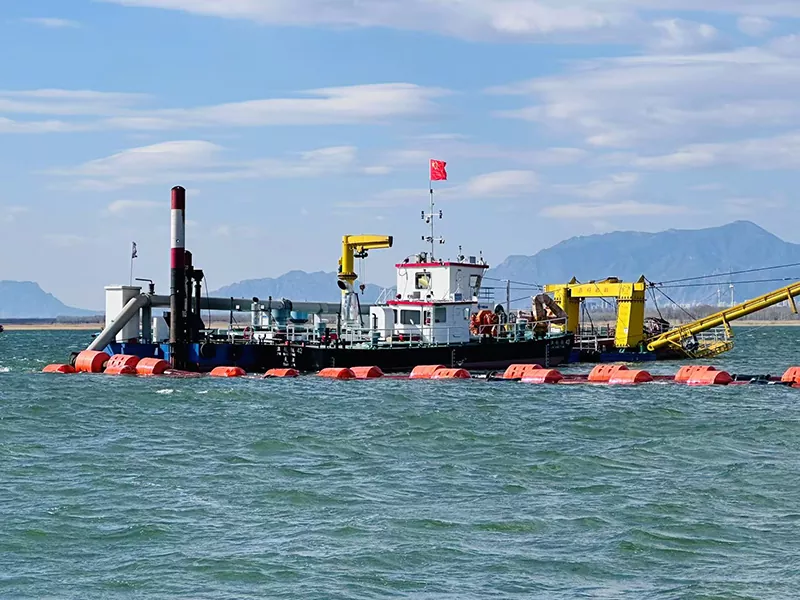
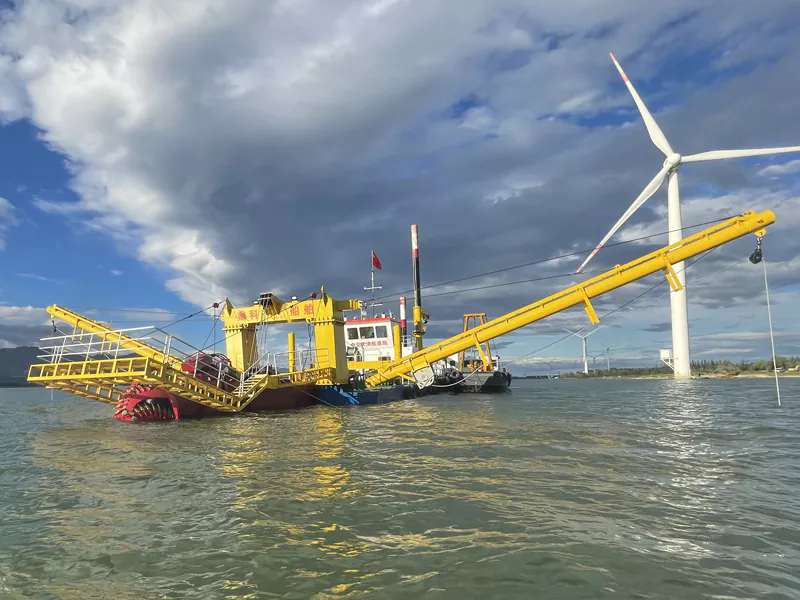
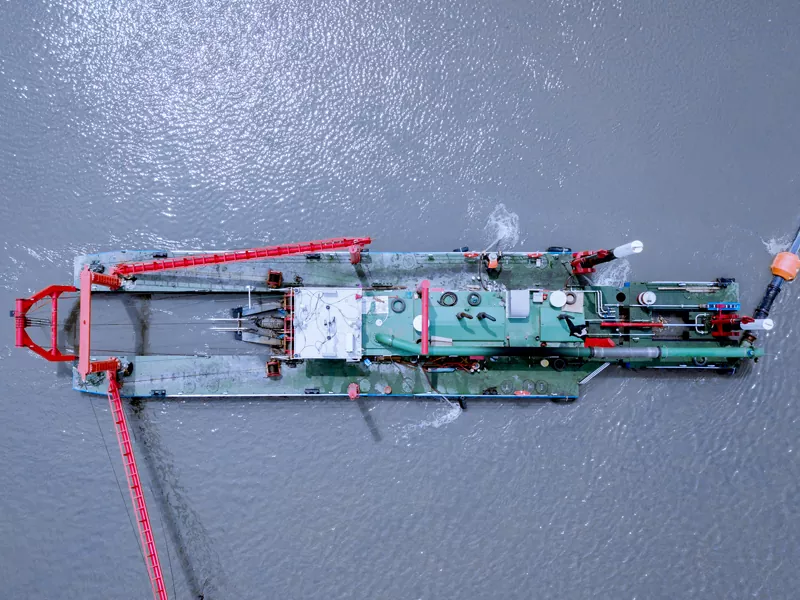
River restoration projects face a delicate balance: remove excess sediment, restore natural flow, but avoid harming aquatic ecosystems. Traditional dredging methods have been criticised for turbidity, habitat disruption, and fuel emissions. The bucket dredger – a classic design using a chain of buckets to excavate material – is often seen as old‑fashioned. However, recent engineering advances have transformed this workhorse into a surprisingly eco‑friendly solution. This article examines how modern bucket dredger technology reduces environmental impact, improves precision, and supports sustainable river management – and why experienced manufacturers like Dingke Dredger Equipment Co., Ltd. are leading the change.
The Environmental Criticism of Old‑Style Bucket Dredgers
Older bucket dredger models had legitimate environmental drawbacks:
- High turbidity – The open bucket design could spill sediment, creating plumes that smothered fish spawning grounds.
- Fuel inefficiency – Mechanical drives consumed significant energy, increasing carbon footprint.
- Noise and vibration – Affected fish and benthic communities.
- Over‑excavation – Imprecise bucket control removed more material than necessary, damaging riverbanks.
For river restoration advocates, these issues made the bucket dredger a last resort. But technology has not stood still.
Five Eco‑Innovations in Modern Bucket Dredgers
1.Enclosed Bucket Chains and Sealed Guides
New bucket dredger designs feature close‑fitting bucket chains and sealed lower guides that drastically reduce spillage. Turbidity can be cut by up to 70% compared to open designs. This allows selective dredging of contaminated sediments without spreading pollutants downstream.
2.Variable Speed Electric or Hybrid Drives
Instead of noisy, smoky diesel‑mechanical drives, modern bucket dredger units use variable frequency drive (VFD) electric motors or diesel‑electric hybrid systems. Benefits include:
- Lower fuel consumption (20–35% reduction)
- Quieter operation (underwater noise reduced by 10–15 dB)
- Precise bucket speed control for thin‑layer excavation
3.GPS‑Guided Bucket Positioning
Real‑time kinematic (RTK) GPS and sonar mapping allow the bucket dredger to follow a 3D terrain model. The system automatically raises the bucket chain when nearing sensitive zones (e.g., mussel beds or submerged vegetation). Over‑dredging is almost eliminated.
4.Onboard Sediment Dewatering and Water Recirculation
Some modern bucket dredger configurations include a dewatering screen or hydrocyclone on the pontoon. Excavated material is mechanically dewatered, and the separated water is returned to the river after minimal disturbance – no turbidity discharge.
5.Biodegradable Hydraulic Fluids
Leaks happen. New bucket dredger machines use ISO 15380 biodegradable hydraulic oils (HEES grade) that break down in water within 28 days without toxicity. This is a game‑changer for restoration work in drinking water reservoirs or salmon rivers.
Parameter Table – Eco‑Friendly Bucket Dredger Specifications
| Parameter | Traditional Bucket Dredger | Modern Eco‑Friendly Bucket Dredger |
|---|---|---|
| Turbidity generation (mg/l) | 500 – 1500 | 100 – 300 (with sealed chain) |
| Fuel type | Mechanical diesel | Diesel‑electric or electric |
| Fuel efficiency (m³/l) | 0.8 – 1.2 | 1.5 – 2.2 (hybrid drive) |
| Underwater noise (dB @ 1m) | 85 – 95 | 70 – 80 |
| Bucket positioning accuracy | ±30 cm (manual) | ±5 cm (GPS guided) |
| Over‑dredge allowance | 30 – 50 cm | 5 – 15 cm (terrain following) |
| Hydraulic fluid | Mineral oil (toxic) | Biodegradable HEES (ISO 15380) |
| Water discharge options | Open overflow | Sediment dewatering + recirculation |
| Typical CO₂ per 1000 m³ | 250 – 400 kg | 120 – 200 kg |
Real‑World River Restoration Success
Several European and Asian river authorities have switched to modern bucket dredger technology. A pilot project on the Rhine River in Germany used a hybrid electric bucket dredger with GPS guidance to remove 45,000 m³ of silt while protecting a protected mussel population. Post‑dredging surveys showed no significant increase in turbidity >200 mg/l, and fish mortality was zero.
In China’s Pearl River Delta, a bucket dredger equipped with a dewatering screen restored 8 km of flood‑prone channel. The separated sediment was used for nearby land reclamation, turning waste into a resource. The project achieved a 40% shorter timeline than suction dredging due to the bucket dredger’s ability to handle debris and compacted layers.
Why Procurement Managers Choose Dingke Dredger Equipment
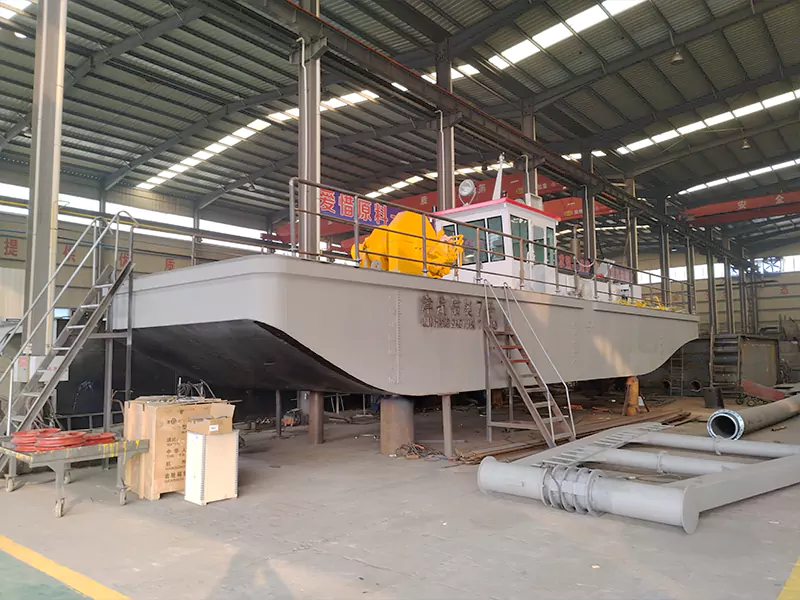
Upgrading to an eco‑friendly bucket dredger is not just about buying new technology – it is about partnering with a manufacturer that understands river ecology and productivity. Dingke Dredger Equipment Co., Ltd. , established in 1990, has over 30 years of hydraulic machinery expertise. Their modern manufacturing base uses CNC cutting, high‑precision welding, and automated assembly to produce bucket dredgers that meet both production targets and environmental regulations.
Key differentiators of Dingke:
- Custom eco‑packages – Choose from sealed bucket chains, GPS guidance, hybrid drives, and biodegradable hydraulic systems.
- Full‑lifecycle support – From steel cutting to water testing at Dingke’s facility, every dredger is factory‑proven before delivery.
- Global experience – Dingke bucket dredgers have operated on river restoration projects in Southeast Asia, Africa, and South America, adapting to local environmental standards.
- ISO‑certified workflows – Standardised production ensures consistent quality, not one‑off prototypes.
For a river restoration authority, specifying a bucket dredger from Dingke means getting a machine that is productive, precise, and kind to the waterbody it works in.
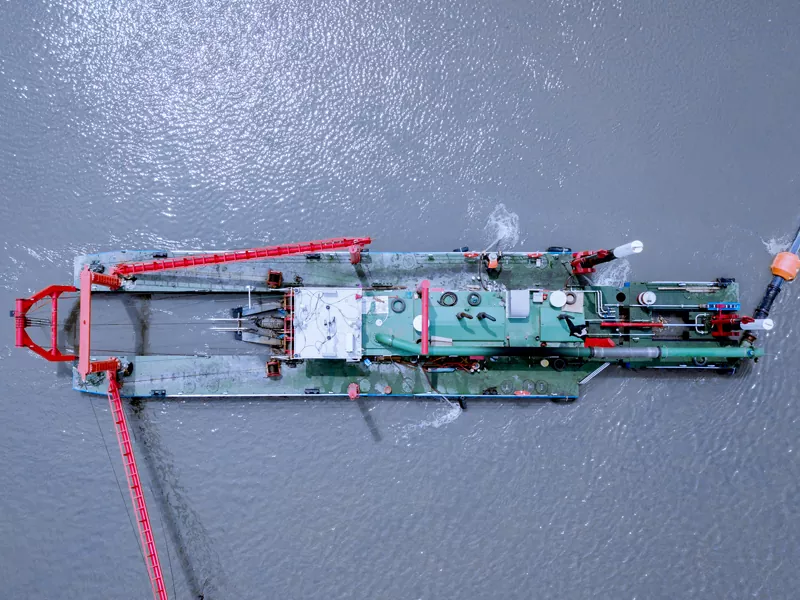
Simple Checklist – Sourcing an Eco‑Friendly Bucket Dredger
When evaluating suppliers, ask:
- Does the bucket chain have spill‑reduction seals?
- Can the dredger be supplied with a GPS‑based depth control system?
- Is a diesel‑electric or fully electric drive available?
- Are biodegradable hydraulic fluids recommended and supported?
- Has the manufacturer conducted turbidity tests under real conditions?
Dingke Dredger Equipment Co., Ltd. answers “yes” to all five, backed by decades of dredging innovation.
Green Dredging Is No Longer an Oxymoron
The bucket dredger has shed its dirty reputation. With sealed chains, smart controls, hybrid power, and eco‑fluids, it is now a precision tool for river restoration. It removes only what is needed, disturbs the least, and leaves aquatic life intact. For government agencies, environmental consultants, and contractors, investing in a modern bucket dredger is both ecologically responsible and economically sound.
Do not rule out bucket dredgers for sensitive river projects. Demand the specifications shown in Table 1. And consider manufacturers with the heritage and engineering depth of Dingke Dredger Equipment Co., Ltd. – because nature restoration deserves machines that work with the river, not against it.
Related News
- How Is Bucket Ladder Dredger Technology Shaping Modern Dredging?
- How Can Cutter Suction Dredger Technology Improve Modern Dredging Projects?
- How Does a Gold Dredger Ship Work?
- How Does a Port Dredger Ship Improve Harbor Efficiency and Reduce Operational Risks?
- How Does an Excavator Platform Improve Construction Efficiency?
- How Does a Channel Dredger Ship Optimize Waterway Depth and Efficiency?
Leave me a message