How Does an Excavator Platform Improve Construction Efficiency?
Summary: Excavator platforms are essential components for enhancing construction efficiency, safety, and operational stability. This article explores their benefits, types, applications, and maintenance practices, offering practical solutions for construction professionals.
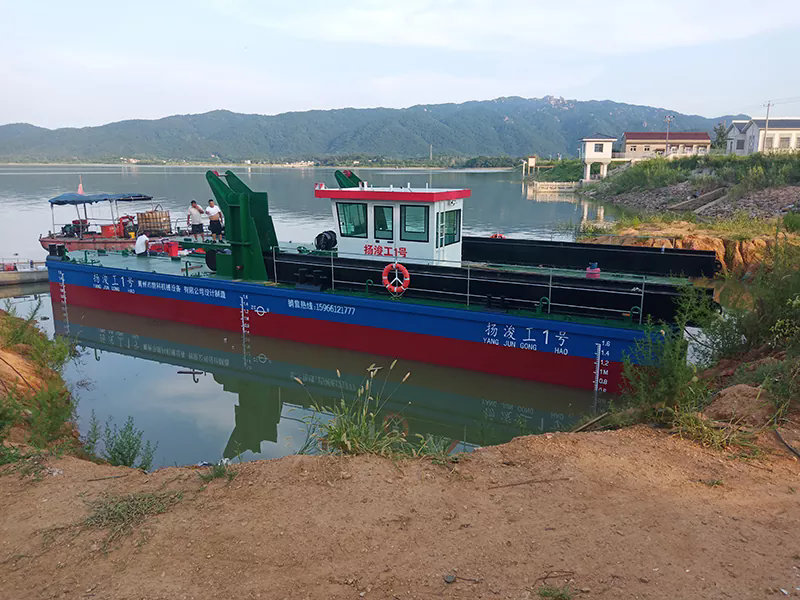
Table of Contents
- What Is an Excavator Platform?
- Types of Excavator Platforms
- Advantages of Using Excavator Platforms
- Applications in Construction and Industry
- Installation and Maintenance Tips
- Common Challenges and Solutions
- FAQ
What Is an Excavator Platform?
An excavator platform is a structural base designed to support an excavator's weight and operational movement. It enhances the machine's stability on uneven terrain, reduces vibration, and ensures operator safety. By providing a secure foundation, the platform allows the excavator to function efficiently in both confined spaces and large-scale construction sites.
Modern excavator platforms are engineered with high-strength steel, corrosion-resistant coatings, and reinforced joints to withstand harsh construction environments. They are often customized according to the excavator’s model, application, and load requirements.
Types of Excavator Platforms
- Standard Track Platforms: Suitable for general construction, offering reliable stability and mobility.
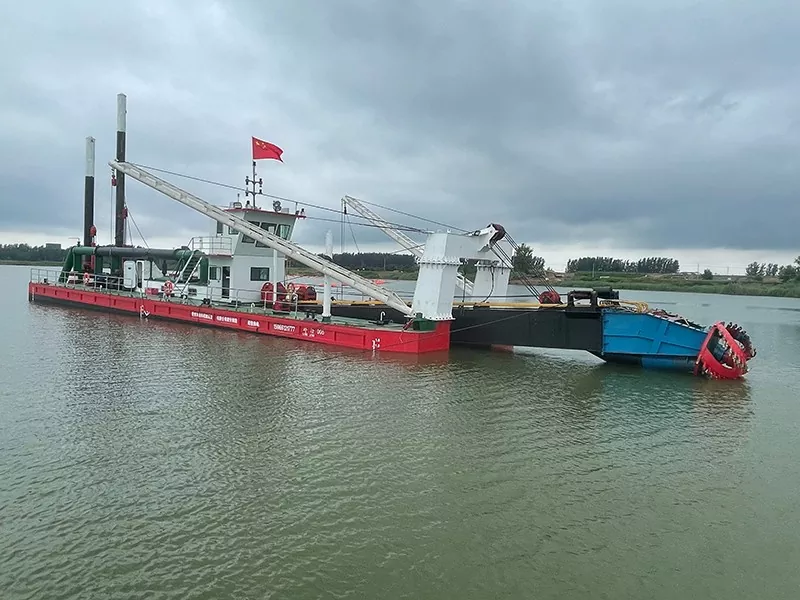
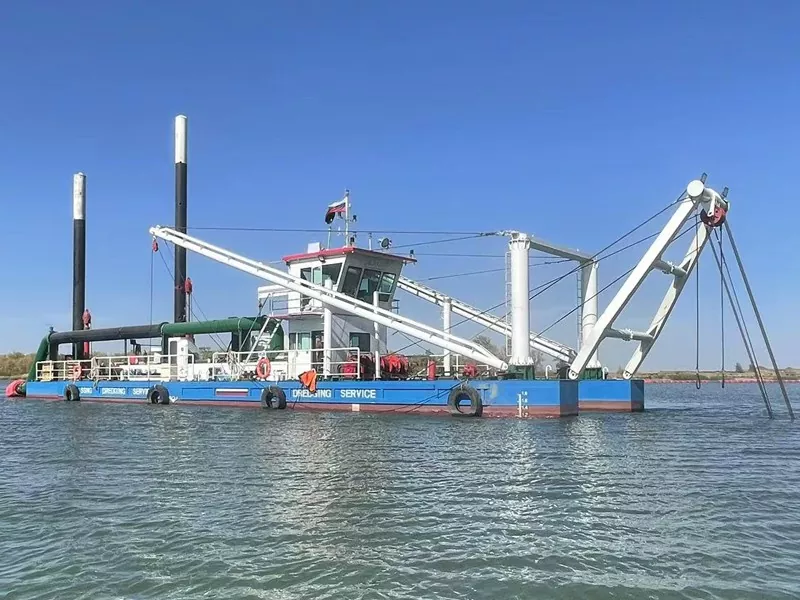
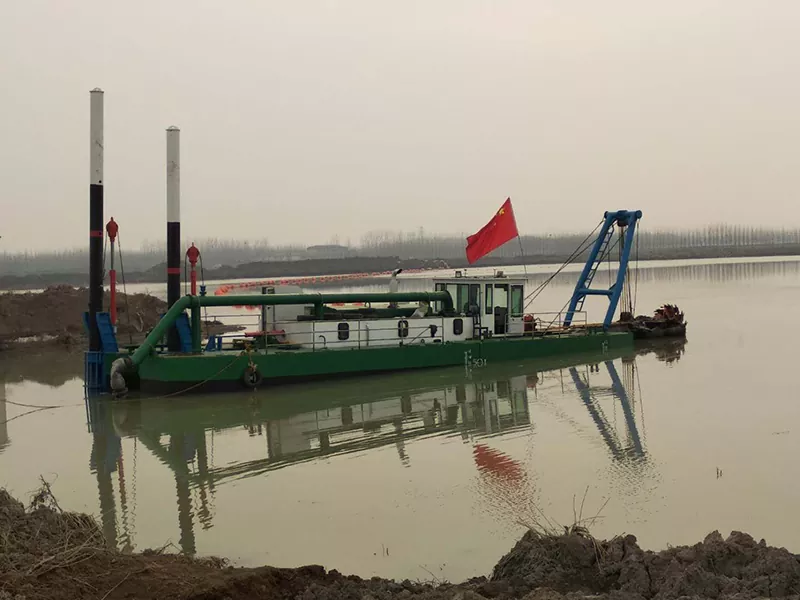
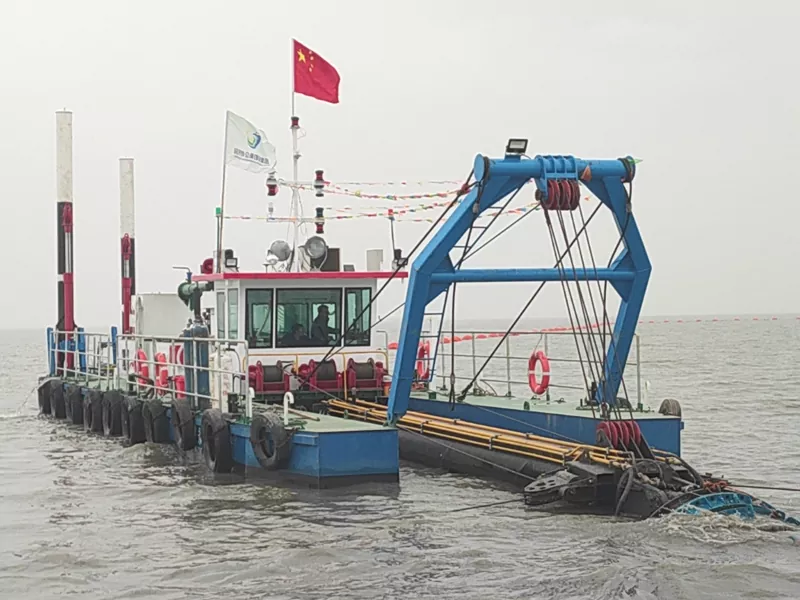
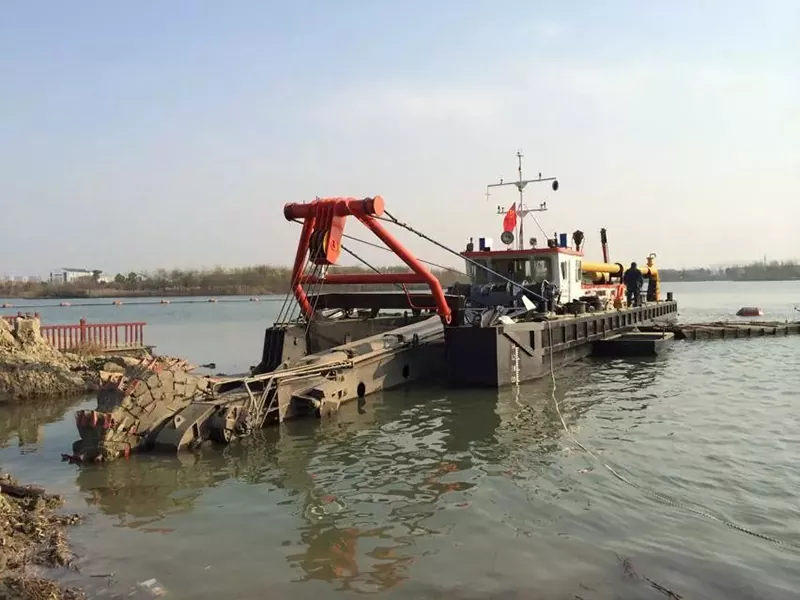
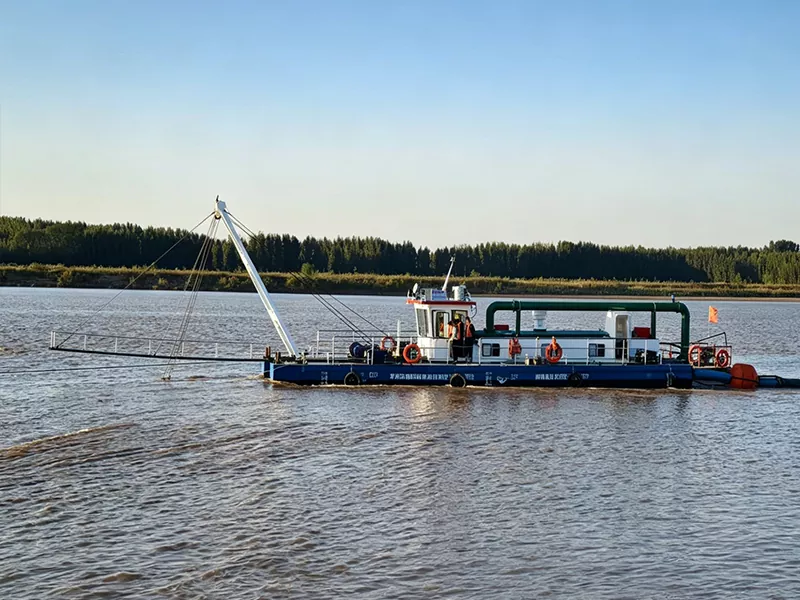
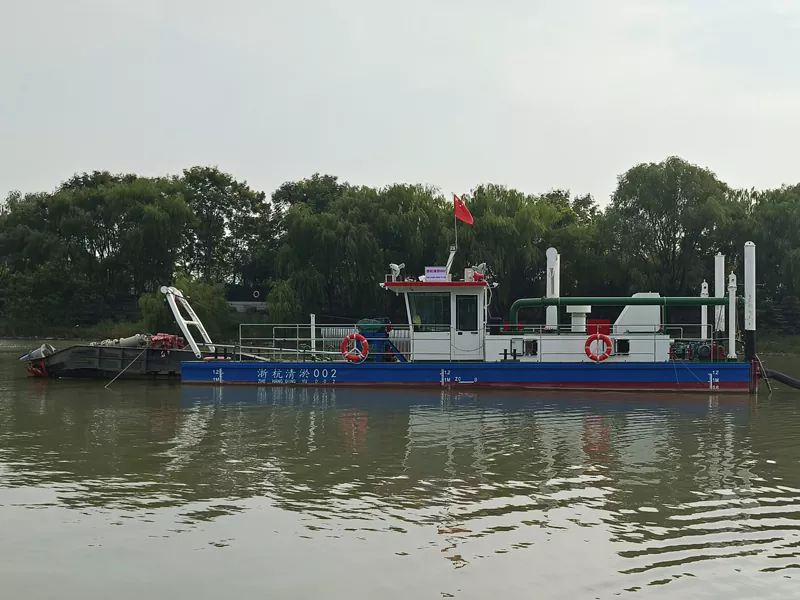
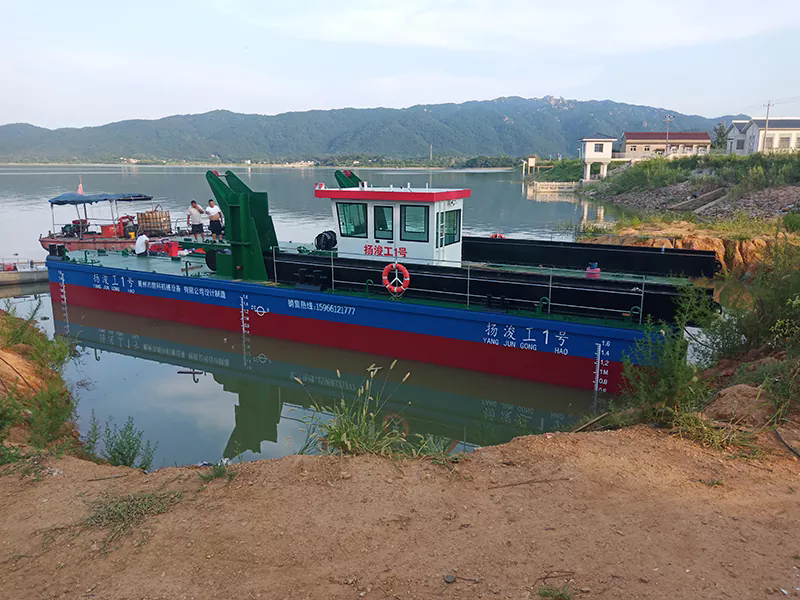
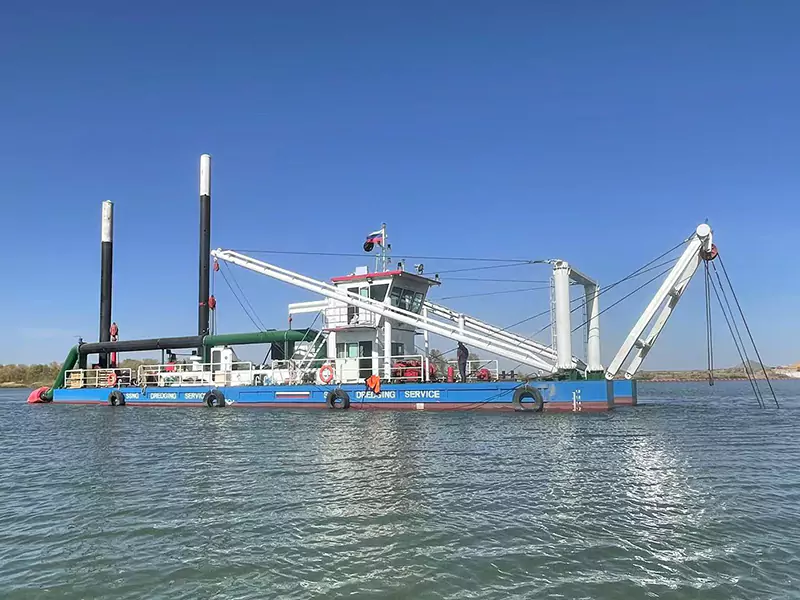
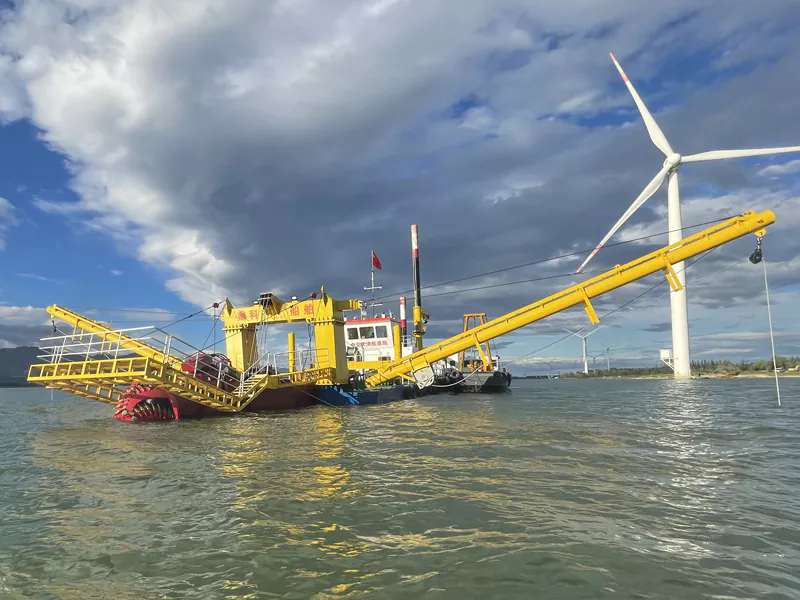
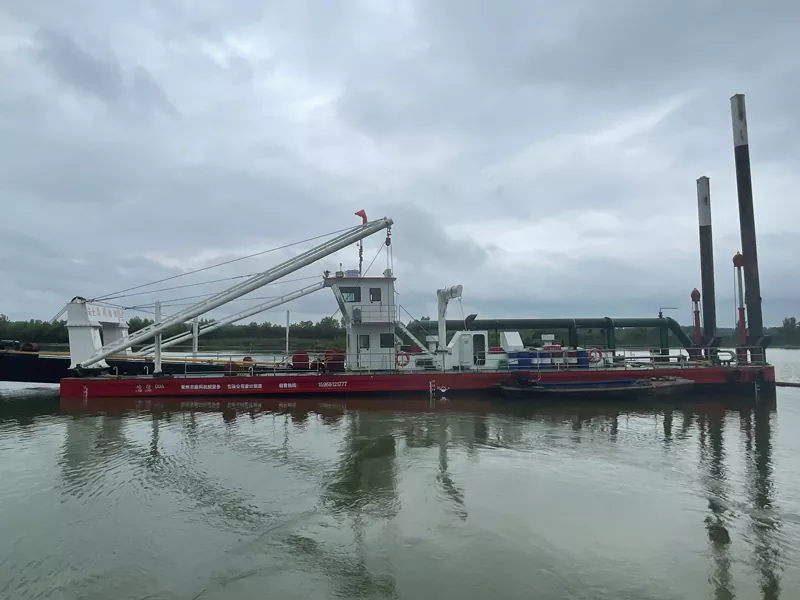
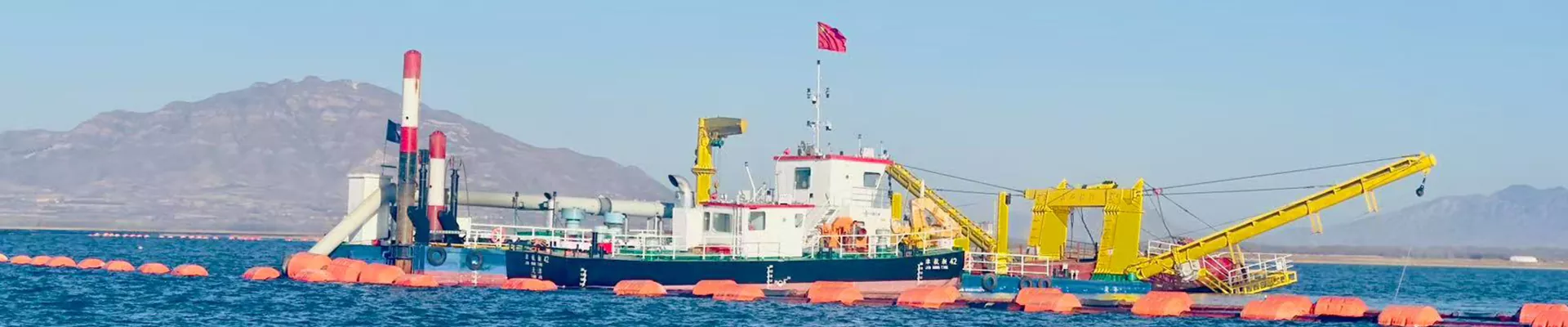
- Floating Platforms: Designed for dredging or water-based operations, providing buoyancy and smooth movement on water surfaces.
- Heavy-duty Platforms: Reinforced platforms for large-scale mining or excavation projects requiring extra load capacity.
- Custom Modular Platforms: Flexible configurations tailored for specialized industrial projects.
| Platform Type | Key Feature | Ideal Use |
|---|---|---|
| Standard Track | Mobility and stability | General construction |
| Floating | Buoyancy for water operations | Dredging, water excavation |
| Heavy-duty | High load capacity | Mining, large-scale excavation |
| Custom Modular | Flexible configuration | Specialized industrial projects |
Advantages of Using Excavator Platforms
Excavator platforms provide several benefits for construction projects, helping to solve common operational challenges:
- Enhanced Stability: Reduces tipping risk on uneven terrain.
- Operational Efficiency: Minimizes downtime by providing a reliable base for precise movements.
- Safety Improvement: Supports secure operator seating and reduces vibrations that cause fatigue.
- Versatility: Adapts to multiple environments, including water, mud, or rugged terrain.
- Durability: Made with high-quality materials to extend lifespan and reduce maintenance costs.
Applications in Construction and Industry
Excavator platforms are widely used across various sectors:
- Urban Construction: Enables safe operation in tight spaces and uneven foundations.
- Dredging Projects: Floating platforms allow excavators to work efficiently on water bodies.
- Mining Operations: Heavy-duty platforms support large excavators and extreme workloads.
- Industrial Renovation: Modular platforms help customize excavation solutions for complex projects.
Installation and Maintenance Tips
Proper installation and maintenance ensure maximum performance:
- Site Assessment: Analyze ground conditions and load requirements before installation.
- Leveling: Ensure the platform is level to avoid excessive wear and instability.
- Secure Fastening: Use reinforced bolts and joints to prevent loosening during operation.
- Regular Inspections: Check for cracks, corrosion, or loose components every week.
- Preventive Maintenance: Lubricate moving parts and replace worn-out sections promptly.
Common Challenges and Solutions
| Challenge | Cause | Solution |
|---|---|---|
| Platform instability | Uneven terrain or improper leveling | Adjust base and use stabilizing supports |
| Corrosion | Exposure to water and harsh environments | Apply anti-corrosion coating regularly |
| Excessive vibration | Loose joints or inadequate damping | Tighten bolts and install vibration dampers |
| Reduced operational efficiency | Incorrect platform type for application | Select platform suitable for site and load |
FAQ
Q1: Can I use a standard platform for dredging operations?
A1: Standard platforms are not recommended for water-based operations. Floating platforms are designed specifically for dredging tasks.
Q2: How often should the platform be inspected?
A2: Weekly inspections are recommended to identify wear, corrosion, or loose components early.
Q3: Are custom platforms expensive?
A3: Costs vary based on design and material. However, customized platforms provide long-term efficiency and safety benefits that justify the investment.
Q4: Can the platform support different excavator models?
A4: Yes, platforms can be customized for various excavator models, ensuring proper load distribution and stability.
Qingzhou City Dingke Dredger Equipment Co., Ltd. specializes in providing high-quality excavator platforms tailored to diverse industrial needs. Visit our product page at Excavator Platform for more information, or contact us to discuss the ideal solution for your project.
Related News
- How Is Bucket Ladder Dredger Technology Shaping Modern Dredging?
- How Can Cutter Suction Dredger Technology Improve Modern Dredging Projects?
- How Does a Gold Dredger Ship Work?
- How Does a Port Dredger Ship Improve Harbor Efficiency and Reduce Operational Risks?
- Are Bucket Dredgers Becoming More Eco‑Friendly for River Restoration?
- How Does a Channel Dredger Ship Optimize Waterway Depth and Efficiency?
Leave me a message