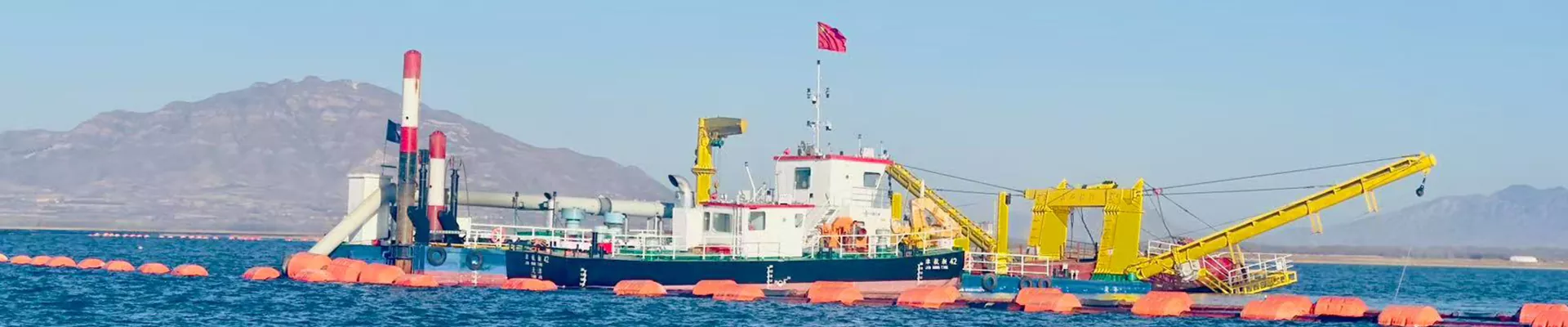
How Does a Cutter Suction Dredger Work?
Summary: Cutter Suction Dredgers (CSDs) are highly efficient vessels designed for dredging and sediment removal in rivers, harbors, and coastal areas. This article explores their working principle, key components, operational benefits, and practical applications to help businesses and project managers choose the right solution for their dredging needs.
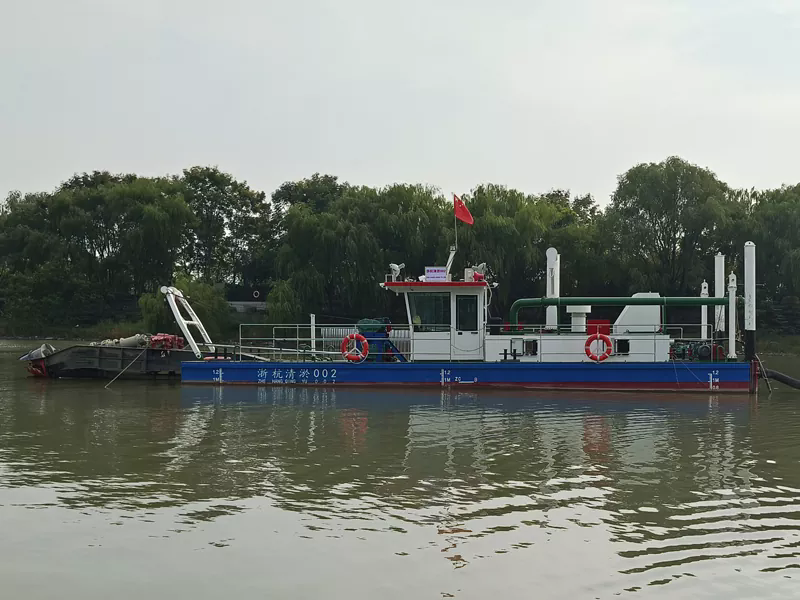
Table of Contents
- Introduction to Cutter Suction Dredgers
- Working Principle
- Key Components
- Applications in Modern Projects
- Advantages Over Other Dredgers
- Maintenance Tips for Longevity
- FAQ
- Contact Information
Introduction to Cutter Suction Dredgers
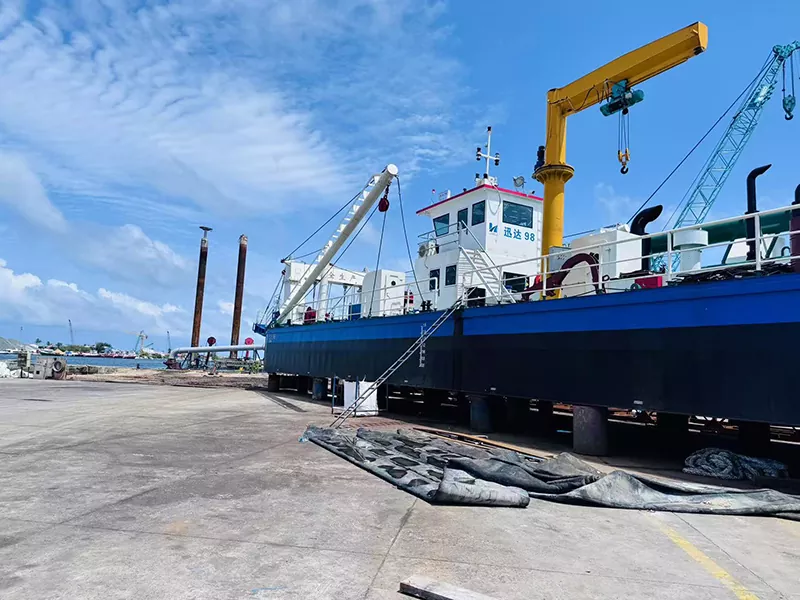
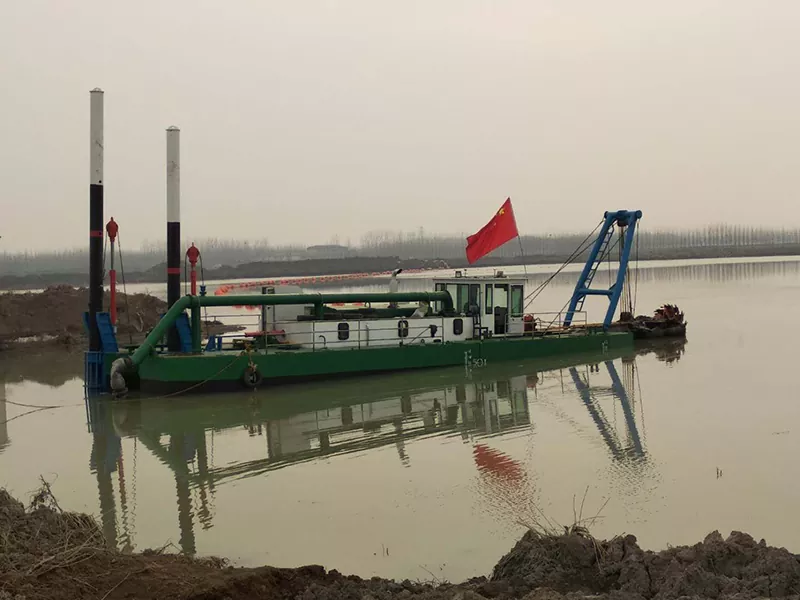
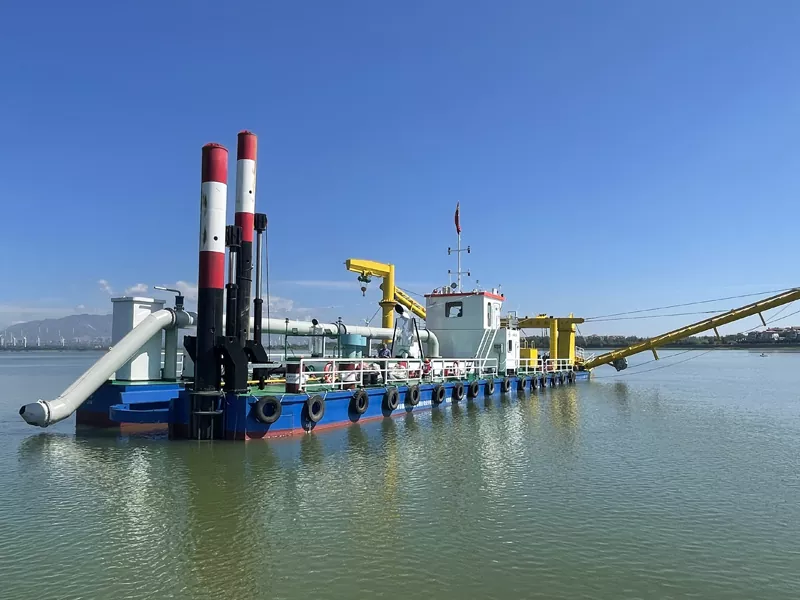
Cutter Suction Dredgers (CSDs) are specialized vessels that combine mechanical cutting and suction to excavate and transport sediments efficiently. Unlike traditional dredgers, CSDs can handle compacted soils, rocks, and uneven riverbeds, making them ideal for both small and large-scale projects.
- Designed for river, harbor, and coastal dredging.
- Capable of continuous excavation and material transport.
- Highly adaptable to challenging underwater conditions.
Working Principle
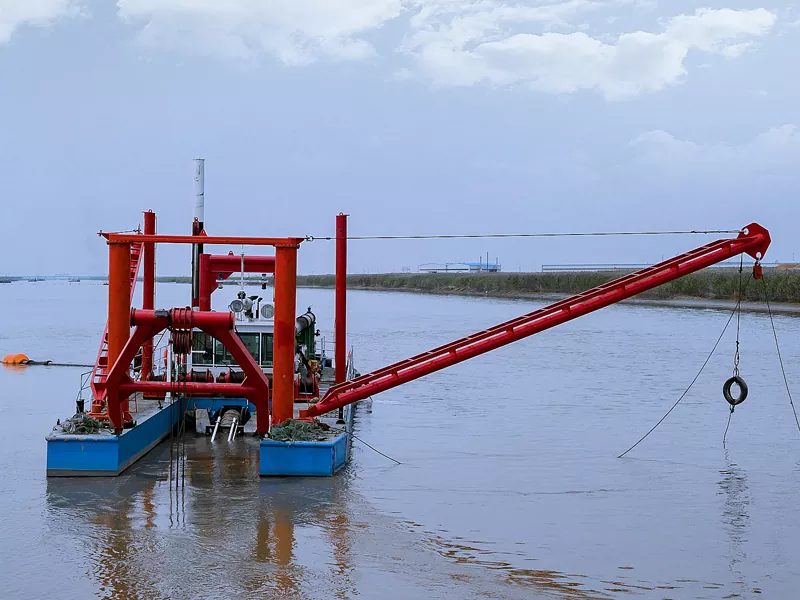
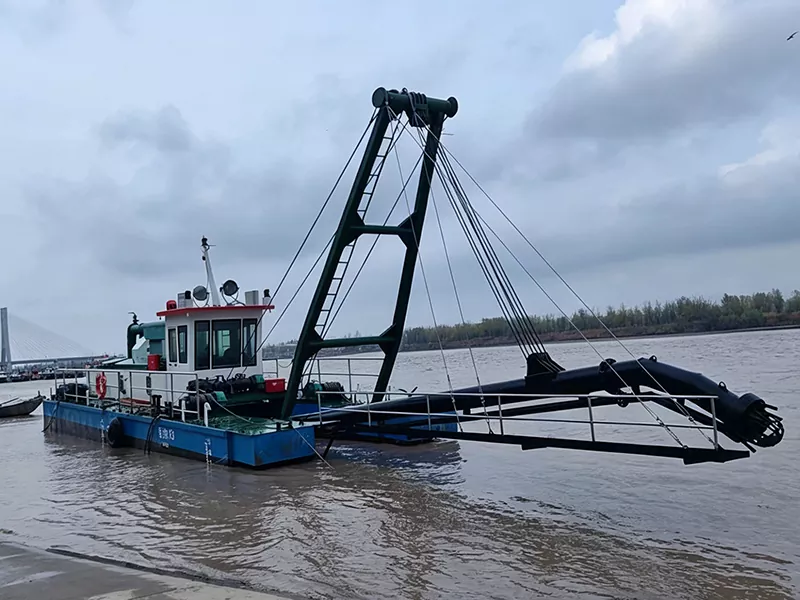
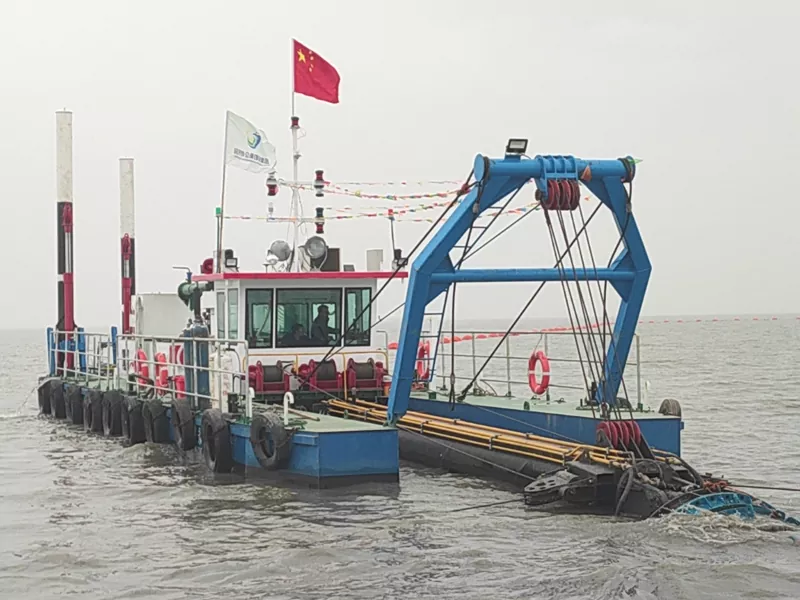
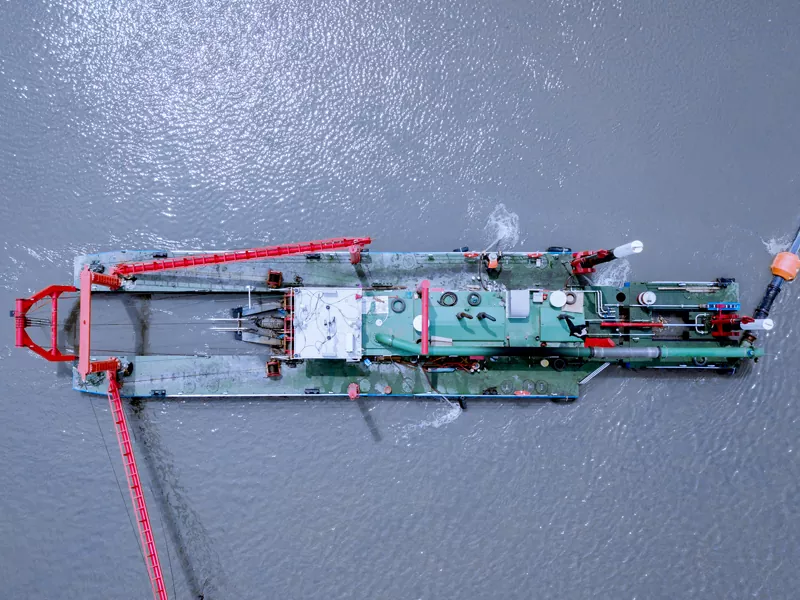
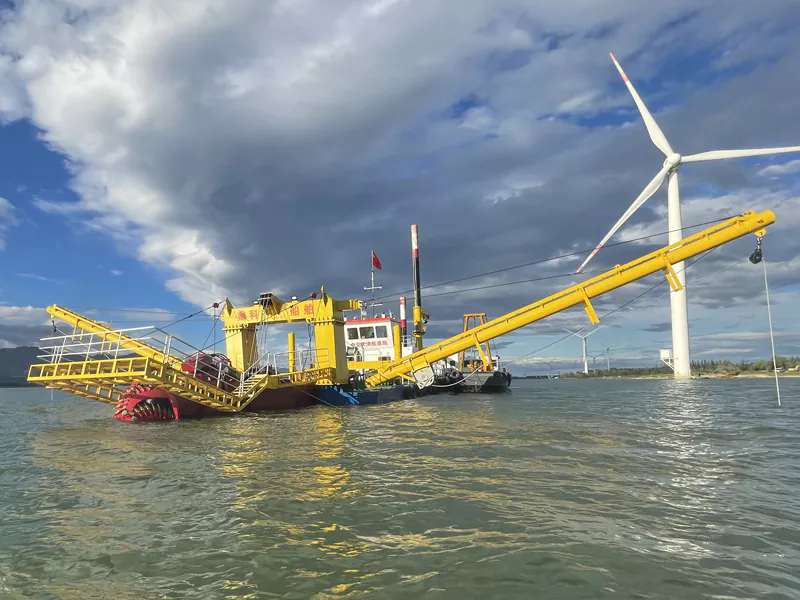
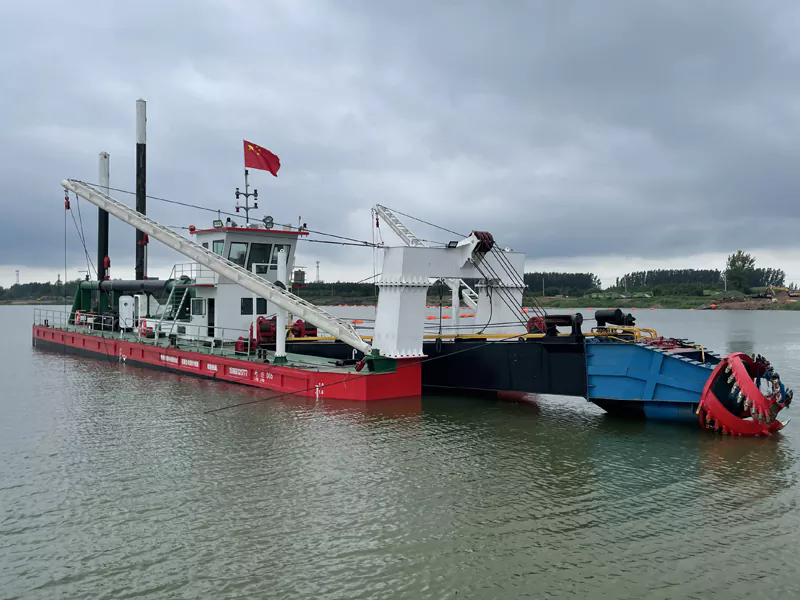
The Cutter Suction Dredger works through a combination of mechanical and hydraulic processes. The dredger uses a rotating cutter head to loosen sediments, which are then sucked through a suction pipe by a powerful pump and discharged via a pipeline to a designated location.
| Process Step | Description |
|---|---|
| Cutter Head Operation | Rotates to break up soil, clay, or rock at the dredging site. |
| Suction Mechanism | Powerful pumps create suction to draw loosened material into the pipeline. |
| Pipeline Transport | Hydraulic pressure moves dredged material to disposal or reclamation sites. |
| Discharge | Material is deposited accurately for land reclamation, harbor deepening, or construction projects. |
Key Components
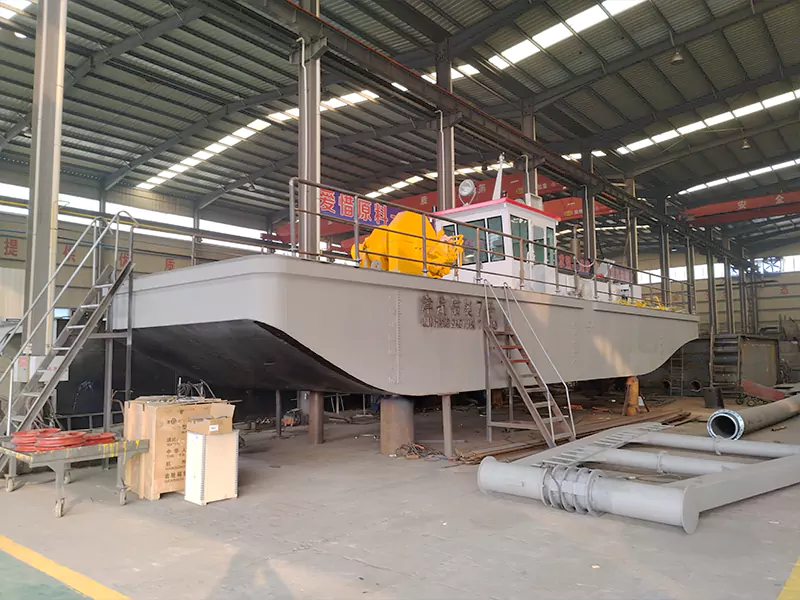
A CSD consists of several critical components that determine its efficiency and versatility:
- Cutter Head: Rotating blade that loosens sediments.
- Suction Pipe: Draws dredged material into the system.
- Pipeline: Transports material to the disposal site.
- Pumps: Provide hydraulic force to move sediments.
- Propulsion System: Allows the vessel to maneuver accurately.
Applications in Modern Projects
Cutter Suction Dredgers are widely used across industries due to their versatility and efficiency.
- Harbor Deepening: Ensures navigable water depths for commercial shipping.
- Land Reclamation: Supports urban expansion and port development projects.
- River Maintenance: Removes sediment buildup to prevent flooding and maintain water flow.
- Mining Operations: Extracts valuable minerals from riverbeds or seabeds.
Advantages Over Other Dredgers
- High efficiency in removing compacted sediments.
- Precise material placement for land reclamation.
- Reduced environmental impact due to controlled suction and discharge.
- Adaptable to shallow or deep water conditions.
Maintenance Tips for Longevity
Regular maintenance ensures optimal performance of a Cutter Suction Dredger:
- Inspect cutter heads and replace worn teeth promptly.
- Check hydraulic pumps and suction pipes for blockages or wear.
- Monitor pipeline integrity to prevent leaks.
- Ensure propulsion and anchoring systems are functional.
- Keep an operational log for predictive maintenance.
FAQ
Q1: How deep can a Cutter Suction Dredger operate?
A1: Modern CSDs can dredge up to depths of 35 meters, depending on pump capacity and cutter head design.
Q2: What types of soil can CSDs handle?
A2: CSDs can handle sand, clay, silt, gravel, and even compacted clay or soft rock.
Q3: Are Cutter Suction Dredgers environmentally friendly?
A3: Yes, due to precise excavation and minimal dispersion of sediments, they reduce environmental disruption compared to other dredging methods.
Q4: How can I purchase a Cutter Suction Dredger?
A4: Qingzhou City Dingke Dredger Equipment Co., Ltd. offers a range of CSD models tailored to your project needs. Visit our product page to learn more.
Contact Information
If you are looking for reliable and high-performance Cutter Suction Dredgers for your dredging projects, Qingzhou City Dingke Dredger Equipment Co., Ltd. is your trusted partner. Contact us today to discuss your requirements and receive personalized solutions that fit your project scope and budget.
Related News
- How Does a Gold Dredger Ship Work?
- How Does a Port Dredger Ship Improve Harbor Efficiency and Reduce Operational Risks?
- Are Bucket Dredgers Becoming More Eco‑Friendly for River Restoration?
- How Does an Excavator Platform Improve Construction Efficiency?
- How Does a Channel Dredger Ship Optimize Waterway Depth and Efficiency?
- High-standard manufacturing, creating core equipment for dredging projects worldwide.
Leave me a message