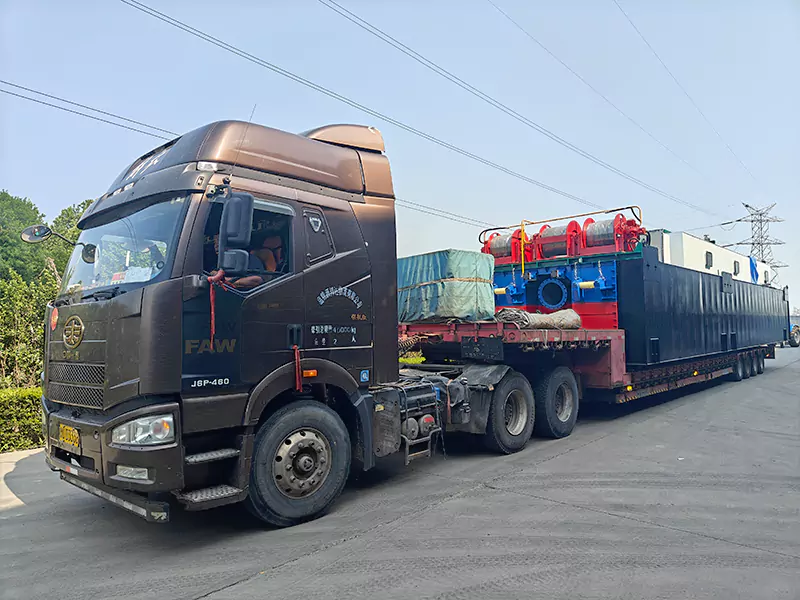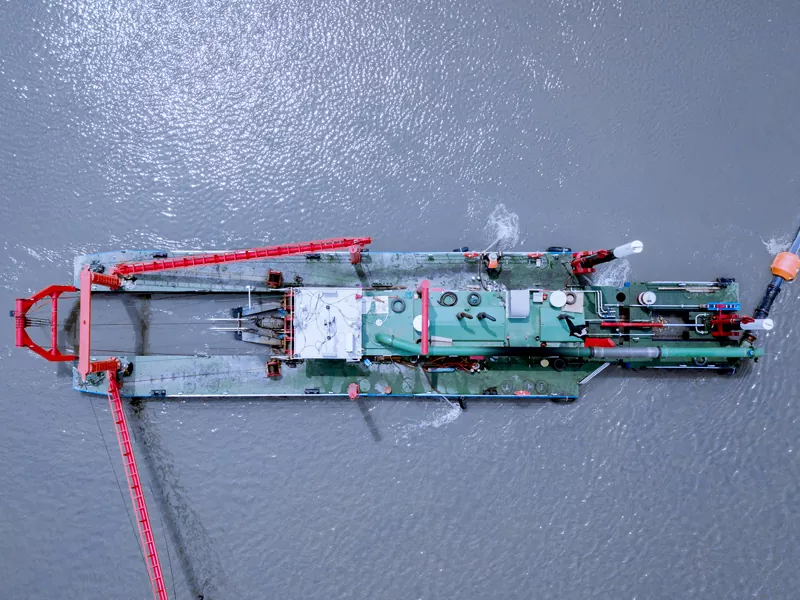
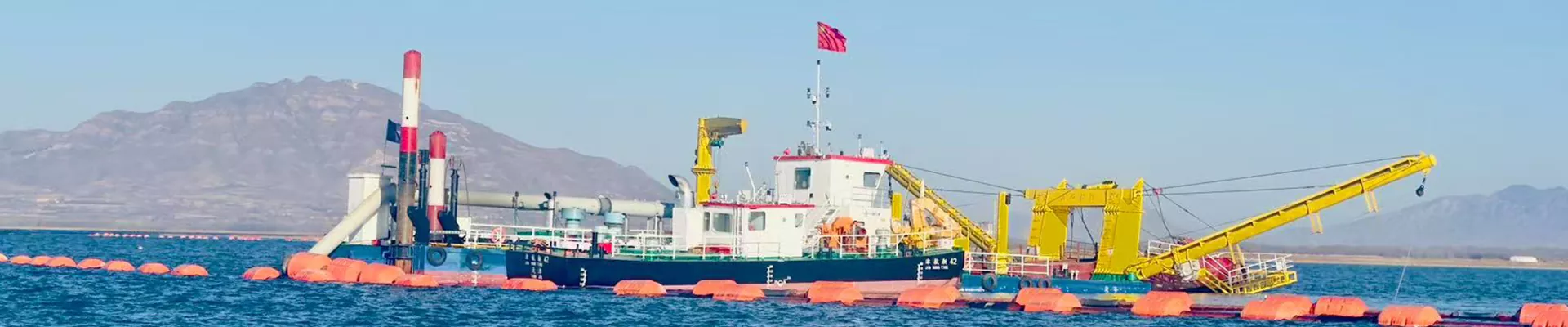
How Can a Cutter Suction Dredger Improve Modern Waterway Projects?
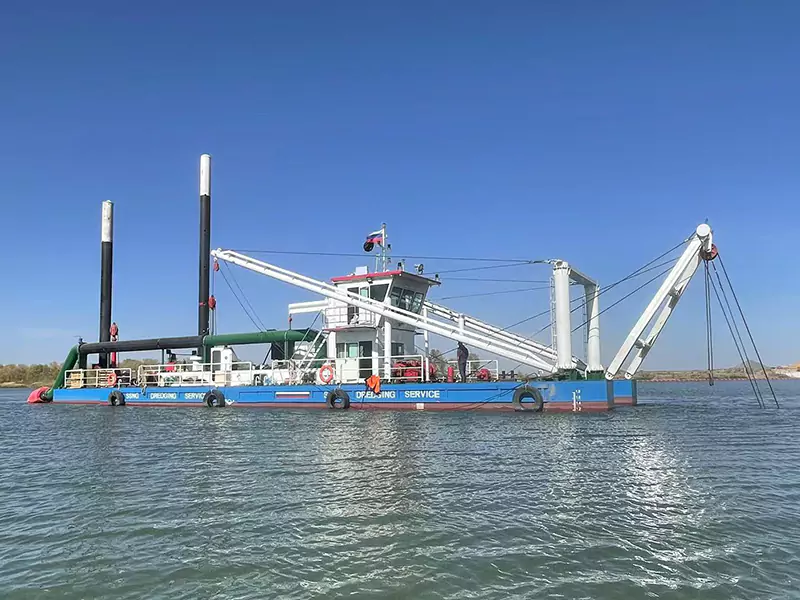
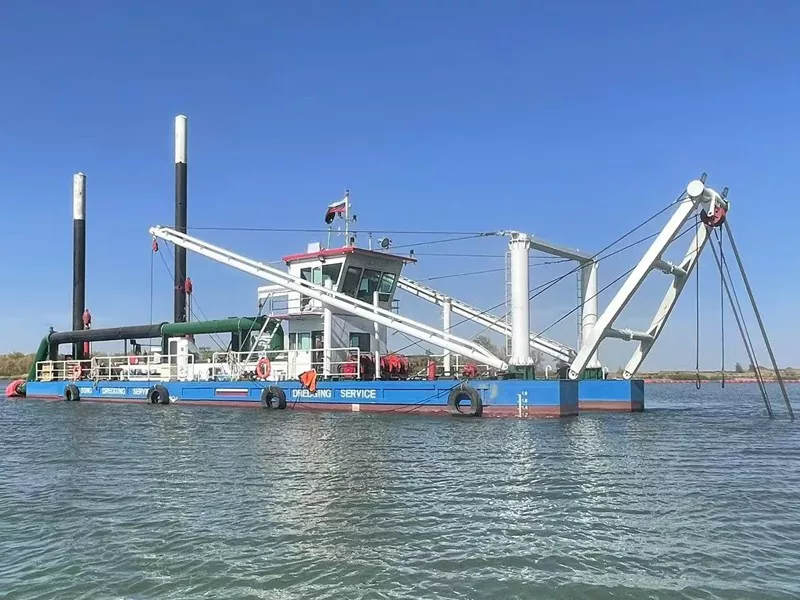
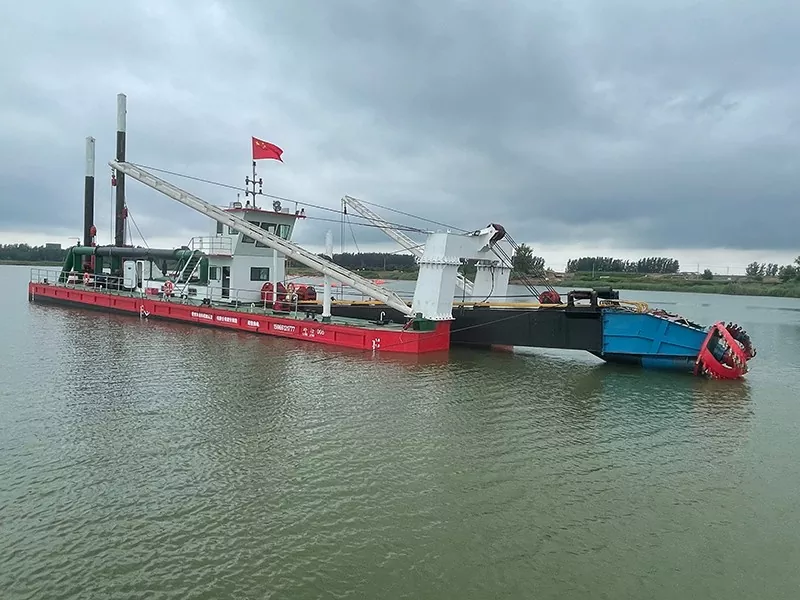
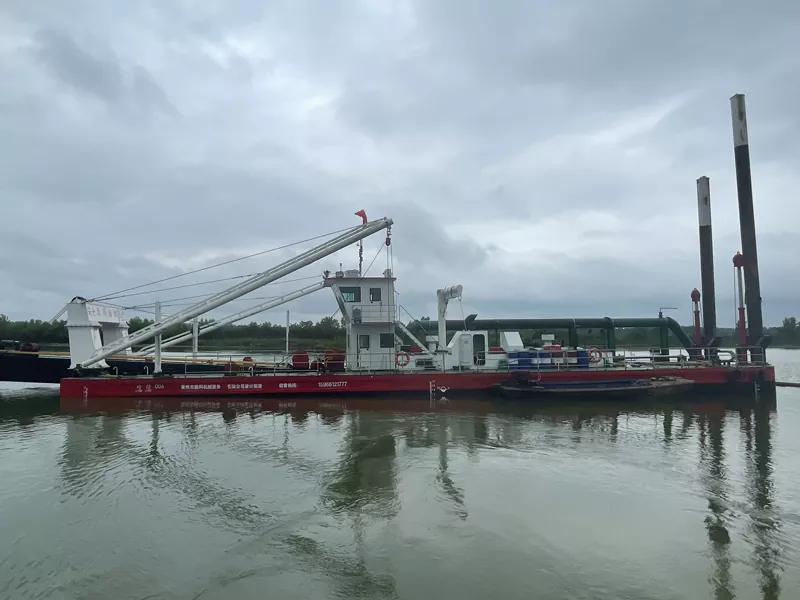
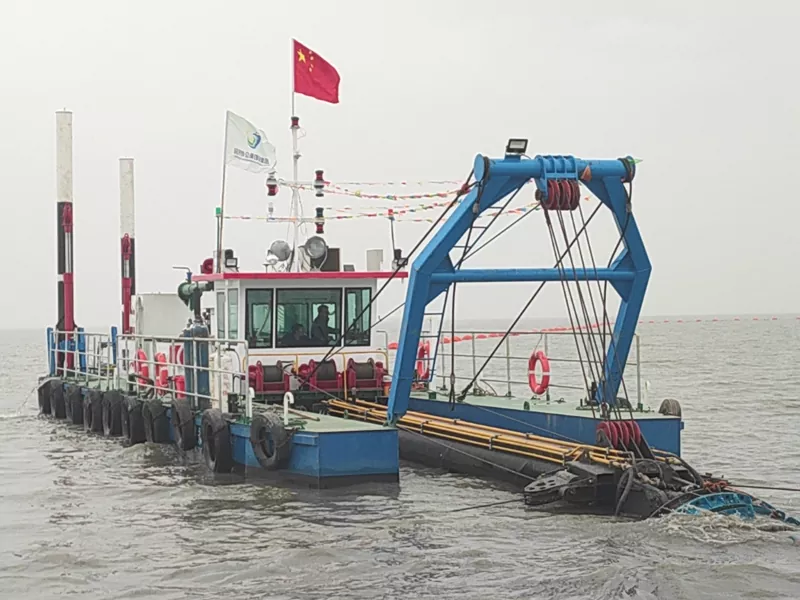
Waterway development, port construction, land reclamation, and river maintenance all depend on efficient sediment removal and reliable underwater excavation. As infrastructure projects become more complex, dredging equipment must provide stable excavation performance, effective material transportation, and the flexibility to operate under different geological and environmental conditions. A Cutter Suction Dredger combines mechanical cutting with hydraulic pumping, creating a continuous process for loosening underwater materials and transporting them through pipelines.
This operating method makes it an important solution for projects involving sand, clay, silt, and other underwater deposits. With improvements in hydraulic engineering, mechanical structures, and operational control, modern dredging equipment is becoming increasingly adaptable to different project requirements. Understanding its working principles, technical characteristics, and application conditions can help explain why hydraulic dredging continues to play an important role in water infrastructure development.
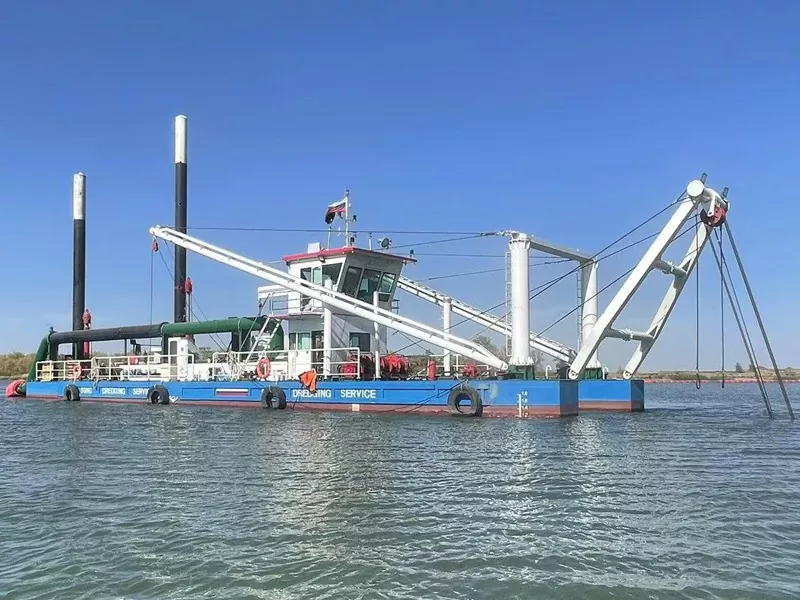
Understanding the Changing Requirements of Waterway Engineering
Waterway engineering involves more than removing accumulated sediment. Different projects may require channel deepening, harbor maintenance, riverbed restoration, underwater excavation, or land formation. Each application presents different technical requirements depending on water depth, sediment composition, excavation conditions, and material transportation distance.
Traditional excavation approaches may encounter limitations when dealing with extensive underwater areas or projects that require continuous sediment removal. Hydraulic dredging provides an alternative by combining excavation and transportation into a coordinated process. This allows materials to be loosened underwater and transferred directly to designated discharge areas.
Why Continuous Excavation Matters
Continuous excavation is an important consideration in large-scale dredging operations. Frequent interruptions can affect project schedules, equipment utilization, and overall operational efficiency. A properly configured hydraulic dredging system helps maintain a consistent workflow by coordinating cutting, suction, pumping, and discharge activities.
Several factors influence the effectiveness of continuous dredging:
- Stable power transmission to support excavation and pumping operations.
- Suitable cutting structures for different sediment characteristics.
- Consistent suction performance to prevent unnecessary material accumulation.
- Appropriate pipeline arrangements for efficient sediment transportation.
- Reliable structural components for demanding working environments.
These requirements explain why equipment selection should consider the entire dredging process rather than focusing exclusively on excavation capacity.
Increasing Demand for Flexible Equipment Configurations
Dredging projects rarely share exactly the same working conditions. River channels may contain soft sediment, compacted clay, or mixed deposits, while coastal construction projects may involve sand layers and other underwater materials. Equipment configuration must therefore correspond to the actual geological conditions and operational objectives.
Manufacturers are increasingly focusing on flexible engineering solutions that allow important components to be adjusted according to project requirements. Cutting mechanisms, pump arrangements, ladder structures, pipeline connections, and positioning systems can all influence the suitability of a machine for a particular application.
How Hydraulic Excavation Technology Works
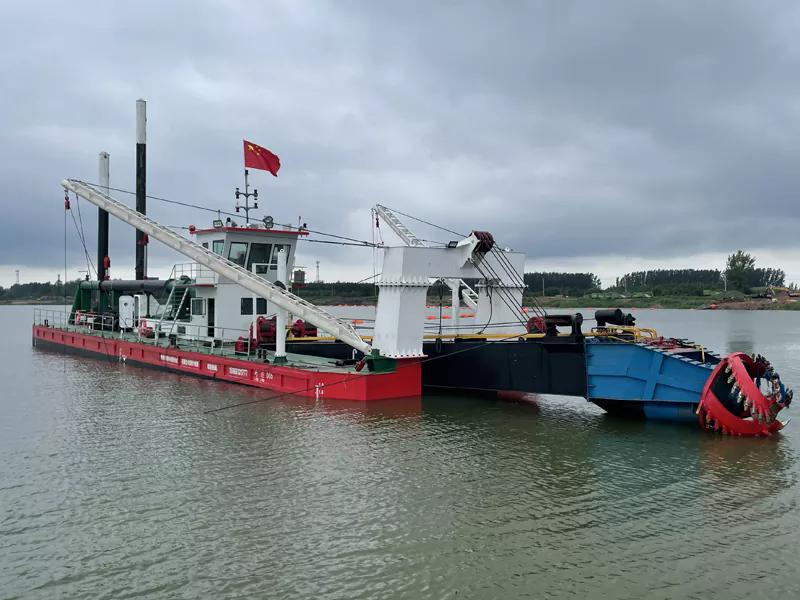
The fundamental operating principle of hydraulic dredging involves loosening underwater material and transporting the resulting mixture through a suction pipeline. Mechanical cutting equipment is positioned near the seabed, where rotating cutters break up compacted deposits and create a mixture that can be collected by the suction system.
The dredging pump generates the necessary hydraulic flow to transport the material through the pipeline. Depending on the project configuration, the discharge pipeline can transfer the mixture to a designated disposal area, reclamation site, settling facility, or further processing system.
The Main Stages of the Excavation Process
Although individual equipment configurations may differ, the general working process involves several interconnected operations.
- Positioning: The dredging equipment is positioned within the designated working area to establish the required excavation location.
- Cutting: The rotating cutter loosens underwater deposits and breaks down compacted materials into smaller particles.
- Suction: The suction inlet collects the loosened material and directs it toward the pumping system.
- Pumping: The dredging pump generates hydraulic flow to move the sediment mixture through the discharge pipeline.
- Discharge: The transported material is delivered to the designated destination according to the project requirements.
Coordination between these stages is essential. If cutting performance exceeds the capacity of the suction system, material accumulation may occur around the excavation area. Similarly, insufficient pumping performance can interrupt material transportation. An appropriately matched system helps maintain a balanced working process.
Understanding the Relationship Between Cutting and Pumping
The cutting mechanism and pumping system are closely connected. The cutter determines how effectively underwater deposits are loosened, while the pump determines how efficiently the resulting mixture is transported. Both components must be selected according to the material characteristics and expected operating conditions.
For cohesive soils, cutting performance is particularly important because compacted material may require stronger mechanical engagement. For loose sand or soft sediment, the relationship between cutting intensity and suction flow becomes an important consideration for maintaining stable transportation.
| System Component | Main Function | Engineering Consideration |
|---|---|---|
| Rotating Cutter | Breaks up underwater deposits | Material hardness and cutting resistance |
| Suction Inlet | Collects loosened sediment | Material flow and inlet configuration |
| Dredging Pump | Transports the sediment mixture | Flow requirements and pumping conditions |
| Discharge Pipeline | Transfers dredged material | Pipeline distance and resistance |
| Support Structure | Maintains equipment stability | Working conditions and structural loads |
Important Technical Factors Affecting Dredging Performance
Reliable dredging performance depends on the interaction of mechanical, hydraulic, and structural systems. Even when individual components have sufficient capacity, poor coordination can reduce overall efficiency. Engineering evaluation should therefore consider the complete equipment configuration and its compatibility with the project environment.
Cutter Head Design and Material Adaptability
The cutter head directly interacts with underwater deposits, making its structure an important factor in excavation performance. Different sediment types create different cutting resistance and wear conditions. Loose sand generally behaves differently from compacted clay, gravel, or mixed geological deposits.
Manufacturers may adjust cutter structures and tooth configurations according to the expected material characteristics. The objective is to achieve effective sediment loosening while controlling mechanical stress and component wear.
Important considerations include:
- Cutting structure suitable for the expected sediment composition.
- Wear-resistant components for repeated contact with abrasive materials.
- Stable rotating performance under changing excavation resistance.
- Convenient inspection and replacement of wearing parts.
Pump Performance and Pipeline Transportation
The dredging pump plays a central role in maintaining material transportation. Its performance must correspond to the required flow conditions, sediment concentration, pipeline diameter, and transportation distance. An unsuitable pump configuration can lead to reduced transportation efficiency or operational interruptions.
Pipeline design is equally important. Excessive pipeline resistance can affect hydraulic performance, while inappropriate connections may increase maintenance requirements. Proper pipeline arrangement helps maintain stable material movement from the excavation area to the discharge destination.
Structural Stability and Operational Control
Dredging equipment operates under continuous mechanical loads and changing water conditions. Its hull, ladder assembly, supporting structures, and connected components must withstand operational forces while maintaining the required working position.
Operational control systems also influence performance. Operators need to coordinate equipment positioning, ladder movement, cutting speed, pumping conditions, and material discharge. Monitoring these operating conditions can help identify abnormal performance and support timely adjustments.
Where Is Hydraulic Dredging Equipment Commonly Applied?
The application range of hydraulic dredging extends across marine construction, inland waterways, environmental management, and resource-related engineering. Different projects may require different excavation methods, but the combination of mechanical cutting and hydraulic transportation provides a practical approach for handling many underwater materials.
River Dredging and Navigation Channel Maintenance
Rivers naturally transport sediment from upstream areas toward downstream sections. Over time, deposits may accumulate along riverbeds and navigation channels, affecting water flow, available depth, and vessel movement.
Regular dredging can help remove accumulated materials and maintain the required channel profile. Hydraulic excavation is particularly useful when sediment needs to be removed from extensive underwater areas and transported away from the excavation location.
For river projects, engineering teams should evaluate:
- Riverbed composition and sediment distribution.
- Water depth and variations in water level.
- Required excavation profile and working area.
- Pipeline routing and sediment discharge arrangements.
- Environmental requirements surrounding the dredging area.
Port Development and Harbor Maintenance
Ports and harbors require suitable water depths to support navigation and marine transportation. Sediment accumulation can gradually affect berthing areas, access channels, and other important sections of port infrastructure.
Dredging equipment supports the removal of underwater deposits during harbor maintenance and infrastructure development. Stable excavation and controlled material transportation are important for maintaining project continuity, particularly when operations take place within established marine facilities.
Equipment configuration should account for available working space, water conditions, sediment characteristics, and the location of discharge facilities. Proper planning helps reduce unnecessary operational interruptions and supports coordination with other marine construction activities.
Land Reclamation and Coastal Engineering
Land reclamation projects involve the placement of suitable materials to create or expand usable land areas. Hydraulic dredging can support this process by excavating underwater sand and other suitable deposits and transporting them through pipelines to designated locations.
In coastal engineering, the equipment may also contribute to shoreline development, foundation preparation, and other marine construction activities. The suitability of the material is an important consideration, as sediment composition and quality must meet the technical requirements of the intended application.
Reservoir and Environmental Sediment Management
Reservoirs and artificial lakes can experience sediment accumulation as water transports suspended particles into storage areas. Excessive deposits may reduce effective storage capacity and affect water management operations.
Dredging provides a method for removing accumulated sediment from selected areas. However, environmental projects require careful assessment of sediment characteristics, potential contamination, water quality, and the appropriate handling of excavated materials.
Modern equipment selection should therefore consider environmental management requirements alongside mechanical performance. Controlled excavation and appropriate discharge arrangements can help support more responsible sediment removal operations.
How to Select Suitable Equipment for Different Projects
Choosing dredging equipment requires a comprehensive understanding of project conditions. Equipment that performs effectively in one environment may not be appropriate for another because geological characteristics, water depth, excavation requirements, and transportation arrangements can vary considerably.
Technical evaluation should begin with the project objective and continue through material analysis, hydraulic calculations, structural assessment, and operational planning.
Evaluate Sediment Composition
Material characteristics directly influence excavation resistance, cutting requirements, and pumping conditions. Fine sand, cohesive clay, gravel, and mixed deposits may require different equipment configurations.
Before equipment selection, project teams should obtain information about sediment composition, particle size, density, compactness, and potential abrasive characteristics. These details help manufacturers determine suitable cutting structures and pumping arrangements.
Consider Excavation Depth and Transportation Distance
Water depth influences the required ladder configuration and working range. Pipeline transportation distance affects hydraulic resistance and pump selection. Both factors should be evaluated together rather than treated as independent specifications.
For projects involving long-distance material transportation, engineering teams may need to assess pipeline diameter, pressure requirements, discharge elevation, and the possibility of additional pumping arrangements. These considerations help establish a more practical system configuration.
Match Equipment Capacity With Project Requirements
Equipment capacity should correspond to the actual excavation and transportation requirements. Oversized machinery may increase operating and maintenance costs, while insufficient capacity can create production limitations.
A balanced configuration considers excavation performance, pump capacity, pipeline conditions, available power, and expected working hours. This approach supports more efficient equipment utilization and helps avoid unnecessary operating stress.
| Project Condition | Key Evaluation | Recommended Engineering Focus |
|---|---|---|
| Compacted Clay | Material resistance | Cutter structure and cutting capability |
| Loose Sand | Material flow characteristics | Suction and pumping coordination |
| Deep Water | Required working depth | Ladder configuration and stability |
| Long Pipeline | Transportation resistance | Pump selection and pipeline arrangement |
| Coastal Construction | Environmental and marine conditions | Structural durability and operational control |
Maintenance Practices That Support Equipment Reliability
Regular maintenance is essential for preserving the performance of hydraulic dredging machinery. Continuous excavation exposes mechanical components to abrasion, vibration, hydraulic pressure, and repeated loading. Without appropriate inspection and maintenance, component wear may gradually affect operational stability.
Inspect Cutting and Mechanical Components
The cutter head, cutting teeth, drive assembly, bearings, and connected mechanical structures should be inspected according to operating conditions. Abrasive sediment can accelerate wear, while foreign materials may create unexpected mechanical loads.
Maintenance teams should pay attention to unusual vibration, abnormal noise, loose connections, and changes in cutting performance. Worn components should be repaired or replaced when necessary to prevent further damage to connected systems.
Maintain Hydraulic and Pumping Systems
Hydraulic systems require appropriate fluid management, sealing inspection, and pressure monitoring. Contamination, leakage, or unstable pressure can affect the performance of connected mechanical equipment.
Pumps and pipelines should also be checked for wear, blockage, leakage, and abnormal operating conditions. Regular inspection helps maintain material transportation efficiency and reduces the risk of unexpected shutdowns.
Establish Practical Maintenance Procedures
A structured maintenance program should reflect actual operating conditions rather than relying entirely on fixed inspection intervals. Equipment operating in abrasive sediment or demanding marine environments may require more frequent attention to specific components.
Useful maintenance practices include:
- Inspecting wearing parts and mechanical connections.
- Monitoring hydraulic pressure and fluid conditions.
- Checking pump performance and pipeline integrity.
- Maintaining lubrication and component alignment.
- Recording equipment abnormalities and maintenance activities.
These procedures help improve equipment availability and provide useful information for future maintenance planning.
Manufacturing Innovation and Quality Control
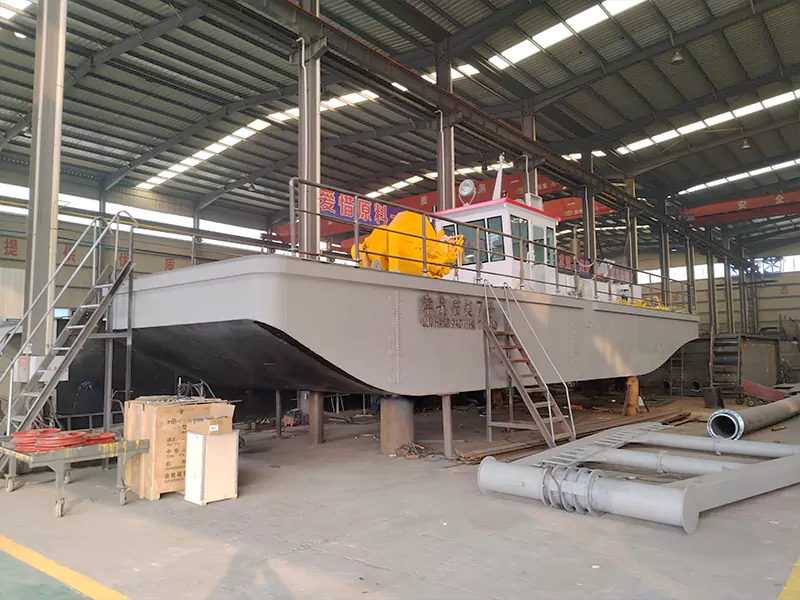
The reliability of dredging machinery is closely related to manufacturing quality. Equipment used in demanding marine and inland environments must withstand continuous mechanical stress, water exposure, vibration, and abrasive materials. Its performance depends on the quality of individual components as well as the accuracy of overall assembly.
Professional manufacturing involves coordinated control over engineering design, raw material selection, machining, welding, surface treatment, assembly, and equipment inspection. Each process contributes to the structural integrity and operational consistency of the finished machine.
Precision Manufacturing of Critical Components
Mechanical components must meet appropriate dimensional and assembly requirements to operate smoothly. Inaccurate machining or poor alignment can increase friction, vibration, and uneven loading, potentially shortening component service life.
Precision manufacturing helps ensure that connected systems function as intended. Particular attention should be given to drive components, rotating assemblies, structural connections, pump installations, and other areas exposed to continuous operational forces.
Engineering Experience and Continuous Improvement
Manufacturing experience provides valuable insight into the practical challenges encountered during dredging operations. Feedback from equipment installation, commissioning, and field operation can help manufacturers identify areas for improvement.
Research and development activities can then focus on structural optimization, hydraulic performance, material adaptability, and maintenance accessibility. Continuous improvement allows equipment manufacturers to respond to changing project conditions while maintaining the reliability of established engineering principles.
Future Development of Hydraulic Dredging Technology
The dredging industry is moving toward more integrated equipment systems, improved operational monitoring, and greater attention to environmental performance. These developments are changing how manufacturers approach machinery design and how project teams manage excavation operations.
Intelligent Monitoring and Operational Visibility
Monitoring technologies can provide useful information about equipment operating conditions, including pump performance, hydraulic pressure, engine status, and mechanical behavior. Access to this information helps operators understand equipment performance and identify potential problems at an earlier stage.
As digital technologies continue to develop, more dredging systems may incorporate integrated monitoring platforms and improved diagnostic functions. These tools can support maintenance planning and help operators make more informed operational adjustments.
Improved Energy and Resource Efficiency
Energy efficiency is another important direction for equipment development. Optimized power transmission, suitable pump selection, and coordinated excavation processes can help reduce unnecessary energy consumption.
Equipment configuration should be matched with actual project requirements to avoid operating conditions that place excessive demands on mechanical or hydraulic systems. Appropriate maintenance also contributes to efficiency by reducing performance losses caused by wear, leakage, or component misalignment.
Greater Attention to Environmental Management
Future dredging projects will continue to place importance on environmental assessment and responsible sediment handling. The selection of excavation methods, discharge locations, and material transportation arrangements should reflect local environmental requirements.
Manufacturers can contribute by developing equipment that supports controlled excavation, stable operation, and efficient material transfer. These improvements can help project operators integrate engineering objectives with environmental management practices.
Why Manufacturing Expertise Matters for Dredging Projects
Reliable dredging machinery requires more than an effective operating principle. It depends on engineering experience, precision manufacturing, component quality, and the ability to provide technical support throughout the equipment lifecycle. These capabilities become particularly important when projects involve challenging geological conditions or customized operating requirements.
Qingzhou City Dingke Dredger Equipment Co., Ltd. was established in 1990 and has accumulated more than three decades of experience in the hydraulic machinery sector. The company integrates research and development, high-precision manufacturing, and global lifecycle support to provide professional dredging equipment and engineering solutions.
With extensive experience in hydraulic machinery, Qingzhou City Dingke Dredger Equipment Co., Ltd. focuses on combining engineering development with manufacturing quality and practical application requirements. Its approach emphasizes equipment reliability, technical optimization, and support throughout the operating lifecycle.
As waterway construction, port development, and marine infrastructure continue to evolve, the demand for dependable hydraulic excavation solutions will remain important. Through continuous manufacturing improvement and engineering development, Qingzhou City Dingke Dredger Equipment Co., Ltd. aims to provide reliable equipment solutions for diverse dredging applications worldwide.
For projects requiring continuous underwater excavation and hydraulic material transportation, a properly configured Cutter Suction Dredger offers an effective combination of mechanical cutting and pumping technology. Selecting equipment according to actual working conditions, supported by professional manufacturing and technical services, is essential for achieving stable and efficient dredging operations.
Previous:
-
Related News
- How Is Bucket Ladder Dredger Technology Shaping Modern Dredging?
- How Can Cutter Suction Dredger Technology Improve Modern Dredging Projects?
- How Does a Gold Dredger Ship Work?
- How Does a Port Dredger Ship Improve Harbor Efficiency and Reduce Operational Risks?
- Are Bucket Dredgers Becoming More Eco‑Friendly for River Restoration?
- How Does an Excavator Platform Improve Construction Efficiency?
Leave me a message


News Recommendations